
A walk with friends, an online fitness class or exercising alone at home could all help improve a person’s health, according to new research from Curtin University.
The study compared group and individual exercise programs across physical activity, health, mobility and wellbeing outcomes, analysing data from 71 studies involving thousands of participants.
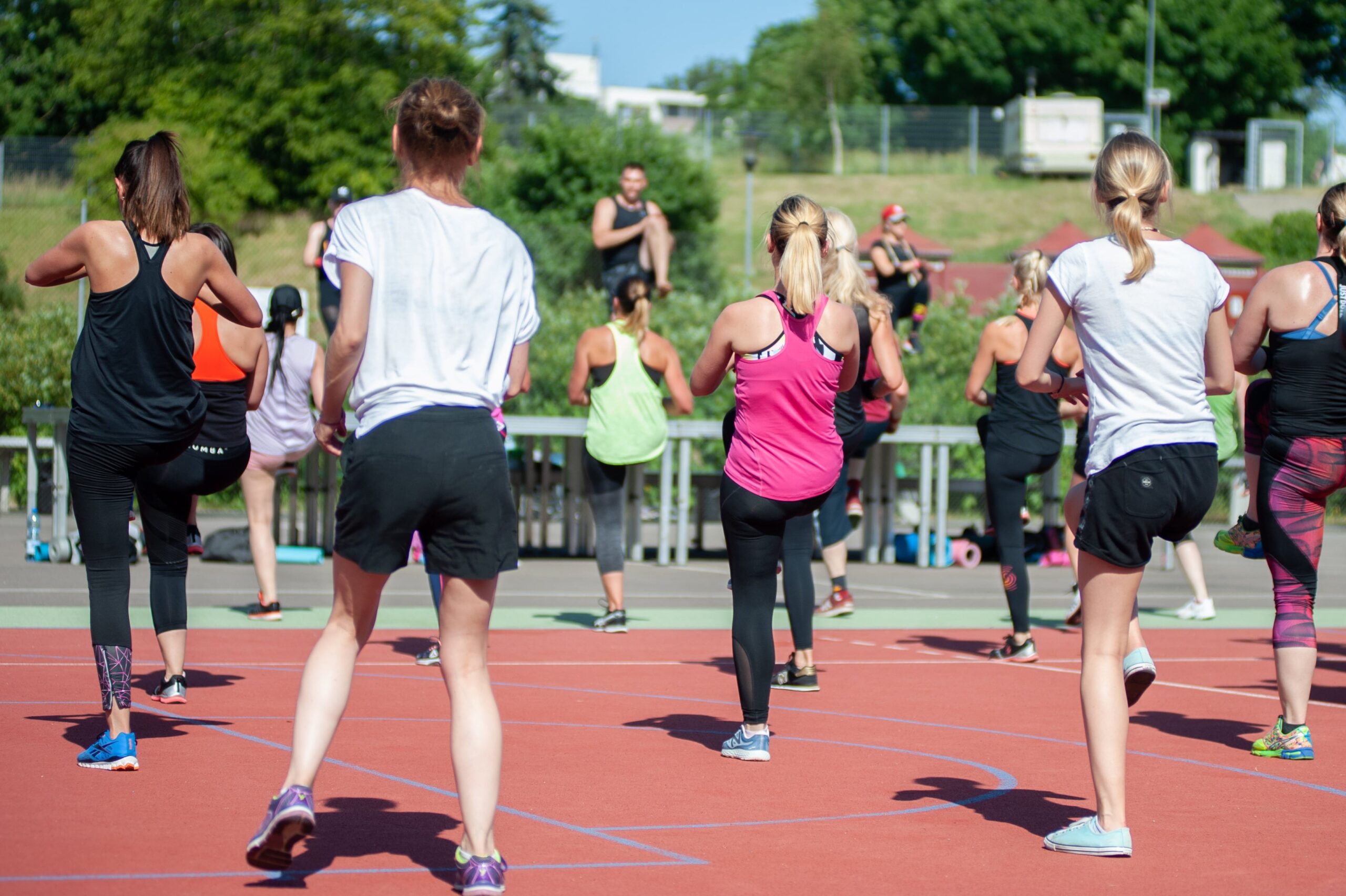
Researchers found both approaches produced similar results in many areas, although group-based programs showed some advantages for balance, coordination and mobility.
Lead researcher Marlene Kritsz said the findings challenged the common belief that group exercise was always more effective.
“One of the more interesting findings was that individual and group-based exercise interventions produced broadly comparable outcomes across many physical activity and health measures,” she said.
“There is often an assumption that group programs are superior because of the social aspect, so seeing similar outcomes across many areas was quite notable.”
The research also found online group exercise programs performed similarly to face-to-face programs in several areas.
Ms Kritz said this was surprising to some extent because in-person programs were often believed to have stronger motivational and social effects.
“However, our findings suggest that online group formats can be similarly effective to face-to-face programs across several outcomes,” she said.
“This may be because they still provide opportunities for accountability, interaction, and support while also improving accessibility and convenience for many people.”
The study comes as health experts continue encouraging Australians to stay active, with many people still struggling to maintain regular exercise routines.

Researchers said group exercise may help some people stay motivated because of the encouragement, structure and social connection involved.
“Many people may find it easier to stay consistent when they feel socially connected or supported by others with similar goals,” Ms Kritz said.
Still, the study found there was no single approach that worked best for everyone.
“It’s also worth noting that both individual and group-based approaches can be effective,” Ms Kritz said.
“The best option is often the one that feels sustainable and enjoyable for the individual.”
Researchers hope the findings encourage people to choose exercise programs that suit their lifestyle, comfort level and personal preferences rather than feeling pressured into one format.
“The key message is that there is no one-size-fits-all approach to physical activity,” Ms Kritz said.
“Both individual and group-based exercise programs can support physical activity participation, health, and wellbeing.”