
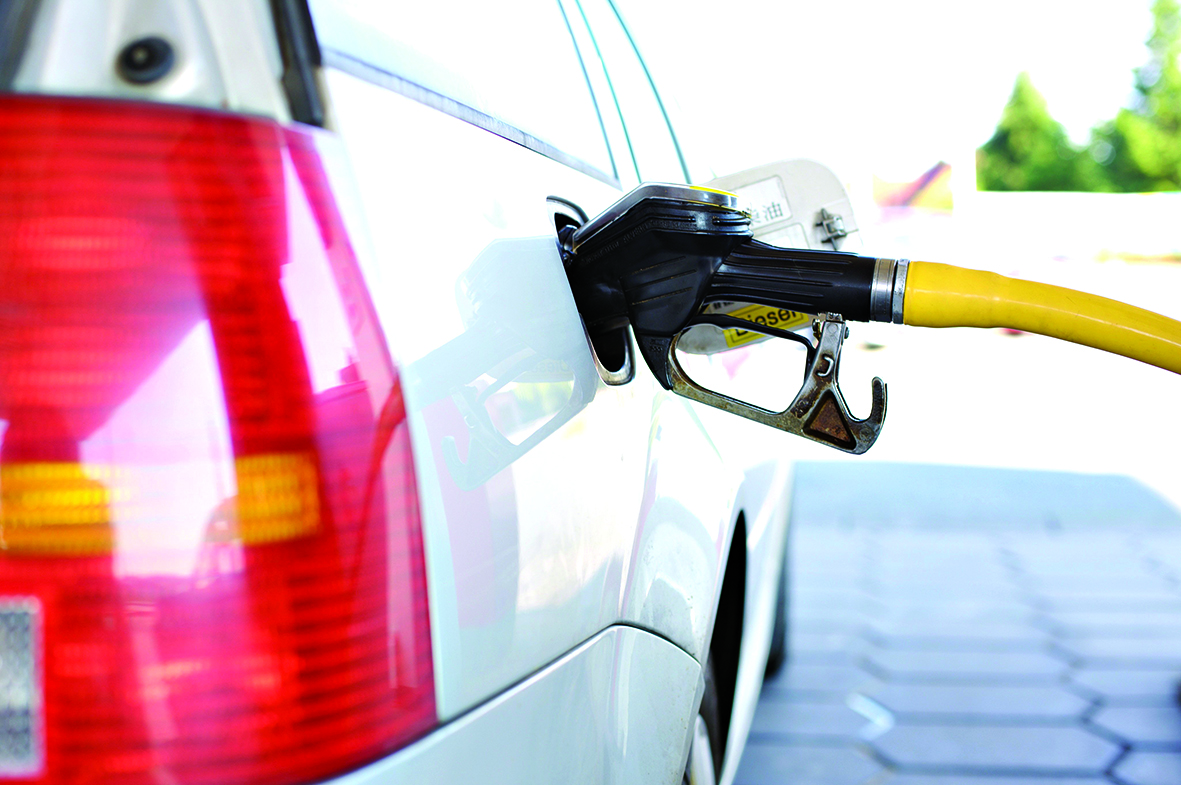
Rising fuel prices are already biting across various suburbs, and locals are saying the pressure is no longer just about filling up the car.
Parents returning to work, support workers driving between clients, and small business owners running multiple vehicles say fuel costs are now spilling into other parts of life.
It’s showing up in groceries, childcare and for some, it’s now a question of whether working is still worth the cost.
One local mother said the cost of getting back to work had become harder to manage just as she returned from maternity leave.
“Today I paid $105 for 33 Litres of fuel which gave me half a tank. I just went back to work last week from maternity leave. So rising fuel, plus RBA interest rate rises and childcare costs are really making it hard to return to the workforce.”
Others said the impact was hitting them every week, especially those whose jobs depend on being on the road.
One community support worker wrote: “Paid fortnightly..fuel for the fortnight $260 $70=1/3 of my income I can’t afford to go to work..I can’t afford not to work”.
Another said, “As a community support worker, I might need to find a new job. Can’t afford to drive around for work.”
A further comment pointed to the knock-on effect on care.
“I can’t knock back the hours as I need to work. I’ve have had to limit the activities my clients do during services as the fuel rebate we receive does not reflect the increase in fuel prices. I feel the wage should increase to combat this. But you know that won’t happen. The prices at supermarkets have increased quickly and that’s if you can actually purchase some things. Shelves are looking a little sparse. I feel despair that I won’t be able to either get to work soon or provide for my family.”
The worries were not limited to workers.
One person wrote: “Can’t afford to take a drive around the block, like the good old days”.
Another said running a small business had become harder because there was no option to stay off the road.
“Running a small business is incredibly difficult with no options to work from home, especially with two diesel cars.”
One employer said their workplace had already changed how staff worked to ease the burden.
“We have our staff working 50 per cent from home on rotating rosters to help them manage fuel costs and save fuel for those who are going to need if (trades etc)”
Another small business owner said they were now reviewing whether they could keep absorbing the rising cost.
“We run four to five cars within our small business for staff. We are a service-based business delivering in home services to clients who need it most – in the next month I’ll compare my numbers and look at our costings. Sad thing is – I may need to charge a fuel surcharge (I really hope I don’t need to)”
In a direct message to The Examiner, a family-run water bore drilling business said the problem was becoming unsustainable.
“We’re a small, family-run water bore drilling business working across rural and semi-rural areas, and right now we’re being pushed to the brink by rising fuel costs.
“Our entire operation runs on diesel and petrol and without it, we don’t work. And with prices continuing to climb, along with freight and consumables, the pressure is becoming unsustainable.
“We’ve held off increasing our prices because we know exactly who it impacts. Our clients aren’t just customers. they’re families, farmers, and landowners who rely on groundwater every single day.
“This isn’t about watering lawns. This is about drinking water, livestock, and fire protection in areas with no scheme water.

“Unlike many businesses, we can’t work from home or cut back on fuel use, our work is hands-on, on-site, and essential.
“If local operators like us disappear, it won’t just affect a business. it will impact entire communities who rely on these services to live safely and sustainably.
“Fuel security is not just a cost issue, it’s a community issue.
“We’re proud to support our region, but right now we need awareness and support before small operators like us are forced out.”
Their message reflects what many locals are now saying: this is no longer just a motoring issue. It is becoming a work issue, a family issue and a cost-of-living issue.
That broader pressure was also acknowledged by local government.
City of Canning Mayor Patrick Hall said rising fuel prices were sitting inside a wider financial squeeze.
“We understand that rising fuel prices may be a pressure point for many households and businesses across Canning, and they sit within a broader cost-of-living environment that we know is stretching budgets,” he said.
“When everyday costs increase, the flow-on effects are felt widely, from household finances through to the viability of local businesses.”
Mayor Hall said fuel pricing was outside local government control, but said support was available for people under financial strain through the Financial Wellbeing Collective, which connects people with financial counsellors.
City of Gosnells Mayor Terresa Lynes said the city had not received specific concerns from residents about fuel prices, but recognised fuel was part of wider household pressure.
“The city recognises that fuel costs form part of the broader cost-of-living pressures impacting households,” she said.
She said keeping rates as low as possible remained a key consideration in budget planning and pointed to free and low-cost community programs, services, events, parks and libraries as ways residents could stay connected without extra financial burden.
State Labor MPs Terry Healy and Colleen Egan said the community was “understandably anxious” about rising fuel prices and cost of living pressures.
They pointed to measures already in place, including the $2.80 Go Anywhere fare, free Sunday SmartRider travel, free public transport for school students, and the Thornlie-Cockburn Line, while acknowledging that not everyone could shift to public transport.
They also said the State Government had moved to respond through an industry roundtable, a Fuel Industry Operations Group, and a seven-point fuel security plan focused on supply, freight and regional restocking.
Premier Roger Cook said on Tuesday, March 24 that fuel imports remained secure, ships were arriving on schedule and fuel terminals were well stocked, though there had been localised distribution issues in parts of regional WA.
By Monday, March 30, 2026, the State Government had also adopted the National Fuel Security Plan, with all states and territories sitting at level 2, which includes precautionary measures to shore up supply and encourage people to only buy the fuel they need.
The Prime Minister has also announced a temporary cut to fuel excise for three months, reducing it by 26.3 cents per litre.
However, for many locals, the bigger issue is what happens until any relief is felt at the pump.