


Being told “you’ve lost weight, you look great” might sound like a compliment, but Huntingdale author and speaker Kate Purcell says comments like these can sometimes do more harm than people realise.
Ahead of Body Image and Eating Disorder Awareness Week from September 1 to 7, Kate is encouraging people to think differently about body image and where they get their sense of self-worth.
Having previously experienced anorexia nervosa, atypical anorexia and long-term body image issues, Kate said a healthy relationship with your body does not mean having to love how you look every day.
“It means accepting your body as it is, treating it with kindness and respect, and recognising that your worth is so much greater than your appearance,” she said.
“I don’t always love my body, and I think that’s okay.”
Kate said body neutrality had become particularly important to her.
While body positivity encourages people to love and celebrate their bodies, body neutrality puts less emphasis on appearance altogether.
“It allows us to recognise that our appearance is only one small part of who we are and doesn’t determine our worth,” she said.
Kate said there was a time when her weight occupied much of her thinking and she would weigh herself every day.
“That number could determine how I felt about myself and my entire day,” she said.
“One of the most beautiful parts of recovery has been getting that space back.”
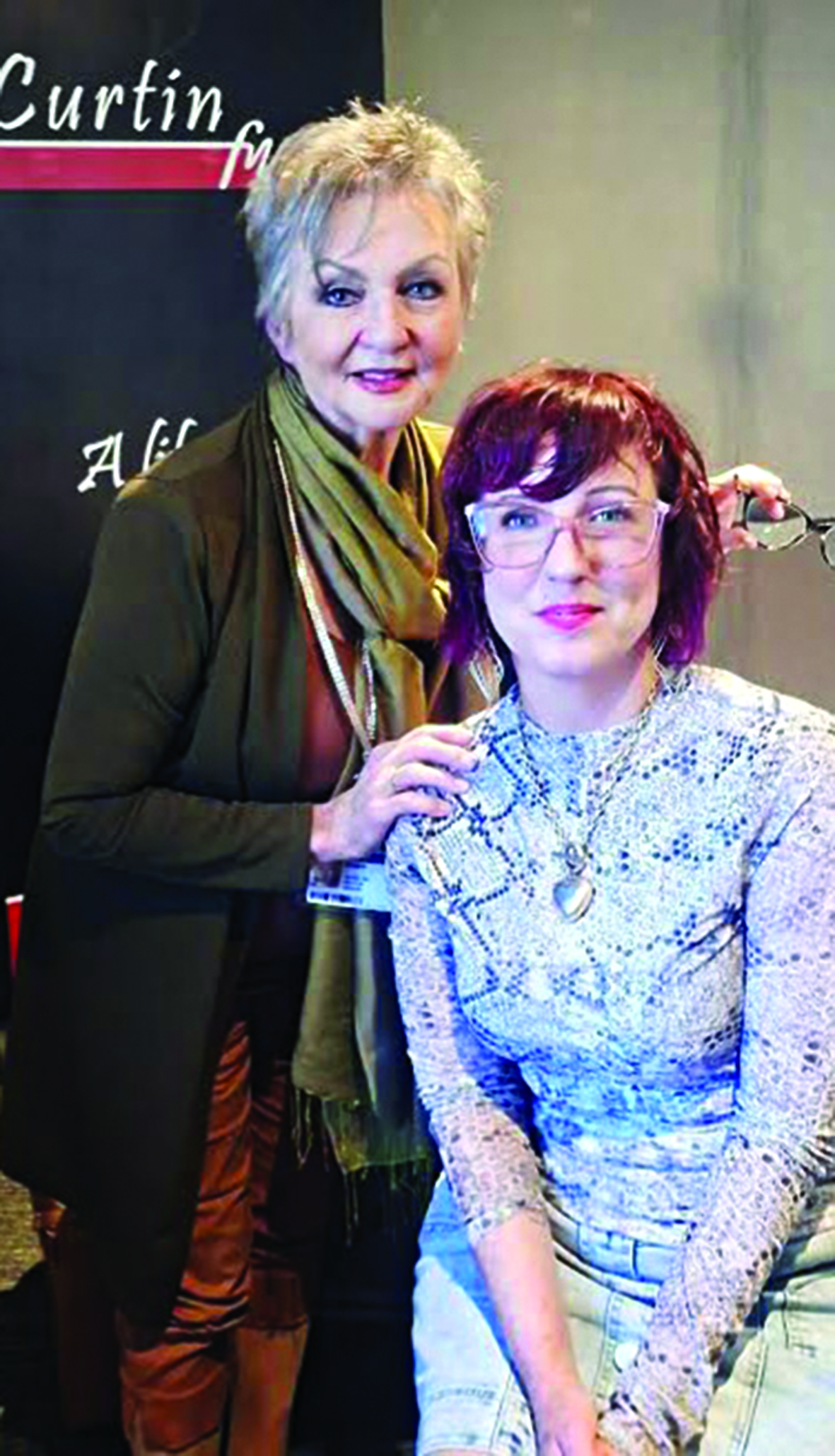
She believes social media has made it harder for people, particularly young people, to separate appearance from self-worth.
“We’re constantly exposed to either in-your-face or subtle messages about what we’re ‘supposed’ to look like,” she said.
“It can be easy to compare our real lives and bodies to someone else’s posts or social media images.”

Kate said parents should be aware of these pressures and consider the way weight and appearance are discussed at home.
She also encouraged people to rethink seemingly harmless compliments about weight loss.
“You’ve lost weight, you look great” may be well-intentioned, she said, but people often do not know what may have caused another person to lose weight.
“Weight loss isn’t necessarily an indication that someone is healthier or happier,” she said.
Instead, she suggested complimenting qualities such as kindness, humour, strength or achievements.
Kate said concerns about appearance can become a warning sign when they begin affecting someone’s mood, relationships or everyday life.
Avoiding social situations because of appearance, becoming isolated or experiencing significant anxiety or guilt around eating can be signs someone may need support, she said.
She also wants more discussion about the misconception that eating disorders have a particular appearance.
“You cannot determine someone’s health or relationship with food by looking at them,” she said.
As Body Image and Eating Disorder Awareness Week approaches, Kate hopes the conversation can move beyond how people look and towards who they are.
“I’d want them to remember that they are so much more than their body or appearance,” she said.
“Sometimes, reconnecting with who you are at your core can help put appearance back in its rightful place.”