
The bush walk may be over, but organisers of a recent Gosnells workshop are hoping its impact will continue in dozens of local backyards.
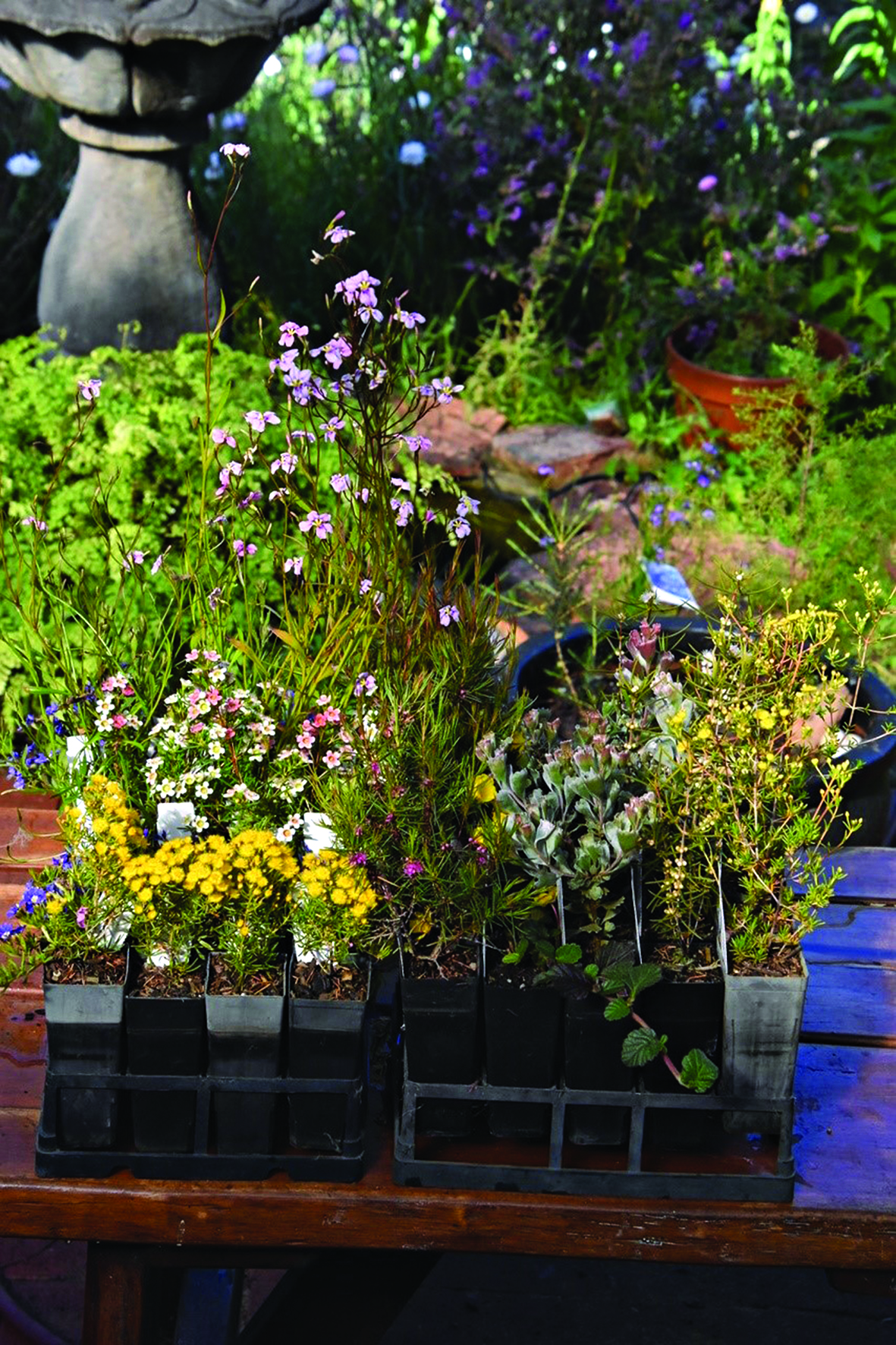
About 40 native plants were taken home by participants following the Urban Bushland Council’s Step into the Gosnells Bush workshop, featured in last week’s Examiner.
Urban Bushland Council member Margaret Owen said the plants were not chosen at random. She added that the Australian Native Nursery in Oakford select species suited to local gardens and flowering plants that participants could easily recognise.
Each person received one plant, with the selection including Verticordia, Gooseberry-leaved Guinea Flower, Golden Flowered Myrtle, Adenanthos cuneatus, Dampiera and Wembley Wax.
However, organisers say the plants have a purpose beyond adding colour to gardens.
Ms Owen said locally appropriate native plants could support native pollinators and other insects, while helping residents develop a greater appreciation of WA’s biodiversity.
“We hope that this gift would promote an interest in native plants and would lead to a further appreciation of our wonderful plant and animal, and fungi, diversity,” she said.
The choice of what goes into a garden can also matter when homes are close to bushland.
Ms Owen pointed to Geraldton Wax as an example. Although native to Western Australia, the plant can become an environmental weed when it escapes gardens and spreads into urban bushland.

Wembley Wax, which was among the plants handed out, looks similar but has smaller flowers and shorter leaves.
The nursery also provided participants with information about each plant’s size, preferred soil and growing conditions.
Ms Owen said this was particularly relevant in Gosnells, where some residential properties may have fill over the area’s original soil and may need different preparation before planting.
The plant giveaway followed a workshop and walk that introduced participants to the biodiversity of Borree Borree/Greater Brixton Street Wetlands.
As reported in last week’s Examiner, more than 550 indigenous plant species had been recorded at the Bush Forever site when the State Government’s Bush Forever report was released in 2000.
Now, some of the people who came to learn about the area’s native vegetation have taken that interest back to their own gardens.