
Richard Wassell remembers when he was aboard the submarine HMAS Ovens, just after 10am, carrying out his daily cleaning duties, when he suddenly fell over. He could not get back up.
The crew carried him to the bow of the submarine and placed him on a temporary bunk above the torpedoes.
Wassell was fully conscious and knew what was happening around him, but when he tried to speak, nobody could understand him. He was having a stroke.
The crew had to wait until a ship with a helicopter came within range before he could be flown to hospital.
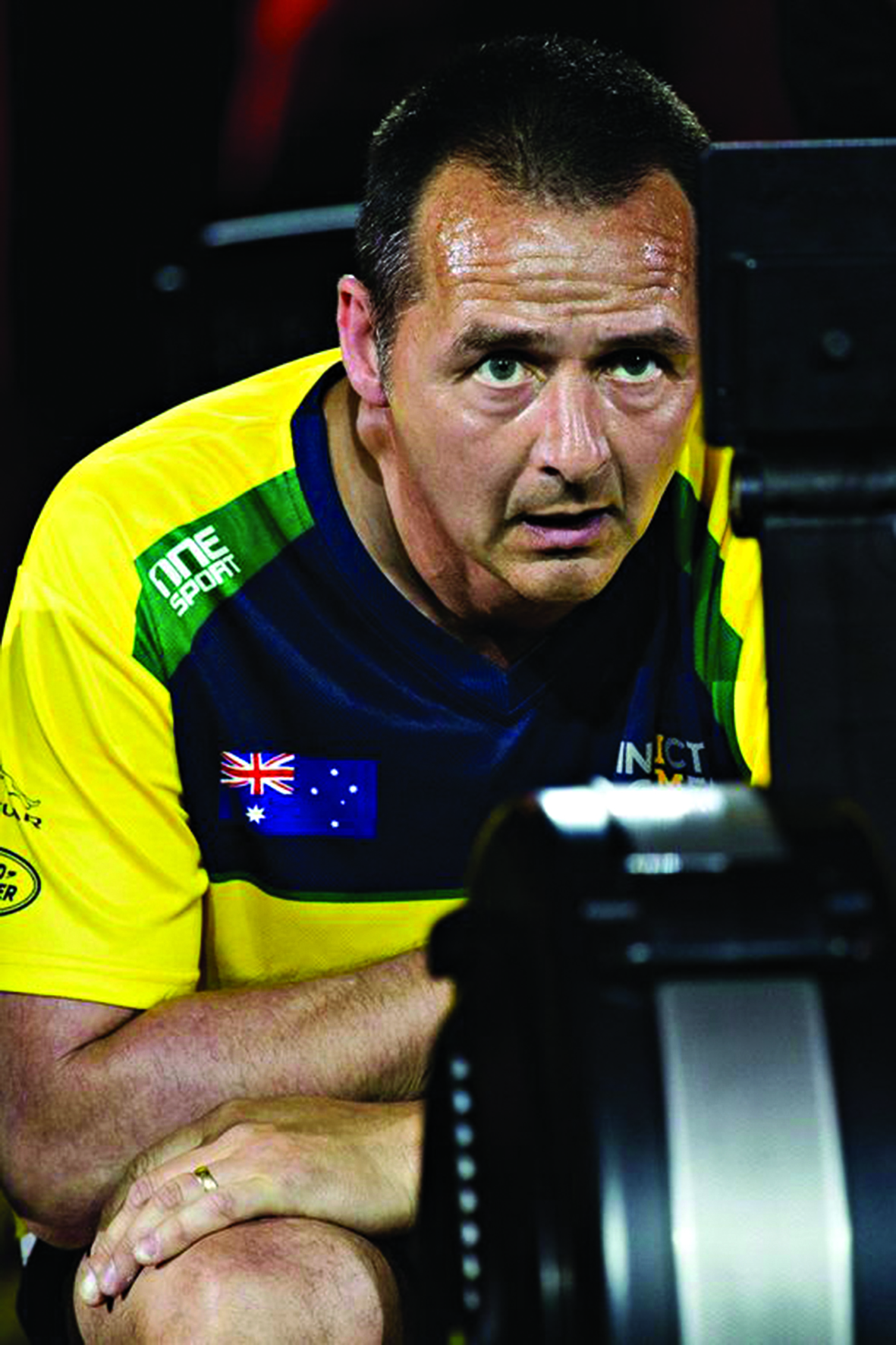
More than 30 years later, the Rossmoyne resident is preparing to represent Australia in indoor rowing and swimming at the Invictus Australia Sports Festival in Perth.
He is also a finalist for the National Stroke Awards Courage Award and will travel to Melbourne in October for the winner’s announcement.
It is another chapter in a life Wassell admits turned out very differently from the one he expected.
About a year after his stroke, he was discharged from the Navy with no use of his right arm and limited use of his right leg.
Having emigrated to Australia alone in 1988, he also had no family in the country to fall back on.
“I had nowhere to live, no job, no use of my right arm, limited use of my right leg and no family in Australia,” he said.
“I had to work out how to build a life again while adjusting to my disability and the loss of my Navy career.”
He eventually found work and somewhere to live in Sydney.
He also met the woman who would become his wife, and it was through her that sport returned to his life. She introduced him to a running group and, before long, he was taking on marathons.
In 1999, just five years after his stroke, Wassell placed second at the Australian Marathon Championships.
After moving to Perth in 2007, he turned to CrossFit and later discovered indoor rowing.
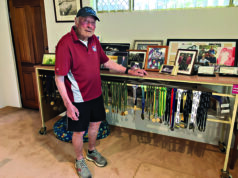
It proved to be a good fit. Wassell has since set more than 40 world records across distances ranging from 100 metres to 24 hours.
One of his proudest moments came in 2018 when he returned to the United States and won his first indoor rowing world championship after a single-arm category had been introduced.
He won another world championship in 2023 and finished second earlier this year.
However, one competition where he returned home without a medal remains just as important to him.
Wassell competed in indoor rowing and athletics at the 2017 Invictus Games in Toronto.
The event reconnected him with the defence community years after his Navy career had ended.

That connection later led to an invitation to serve as an ambassador at the 2018 Invictus Games in Sydney.
“Invictus helped me reconnect with a part of my life I thought I had lost when I left the Navy,” he said.
“I’m looking forward to being part of that community again, this time here in Perth.”
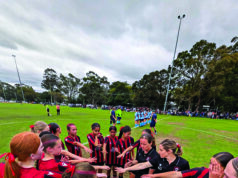
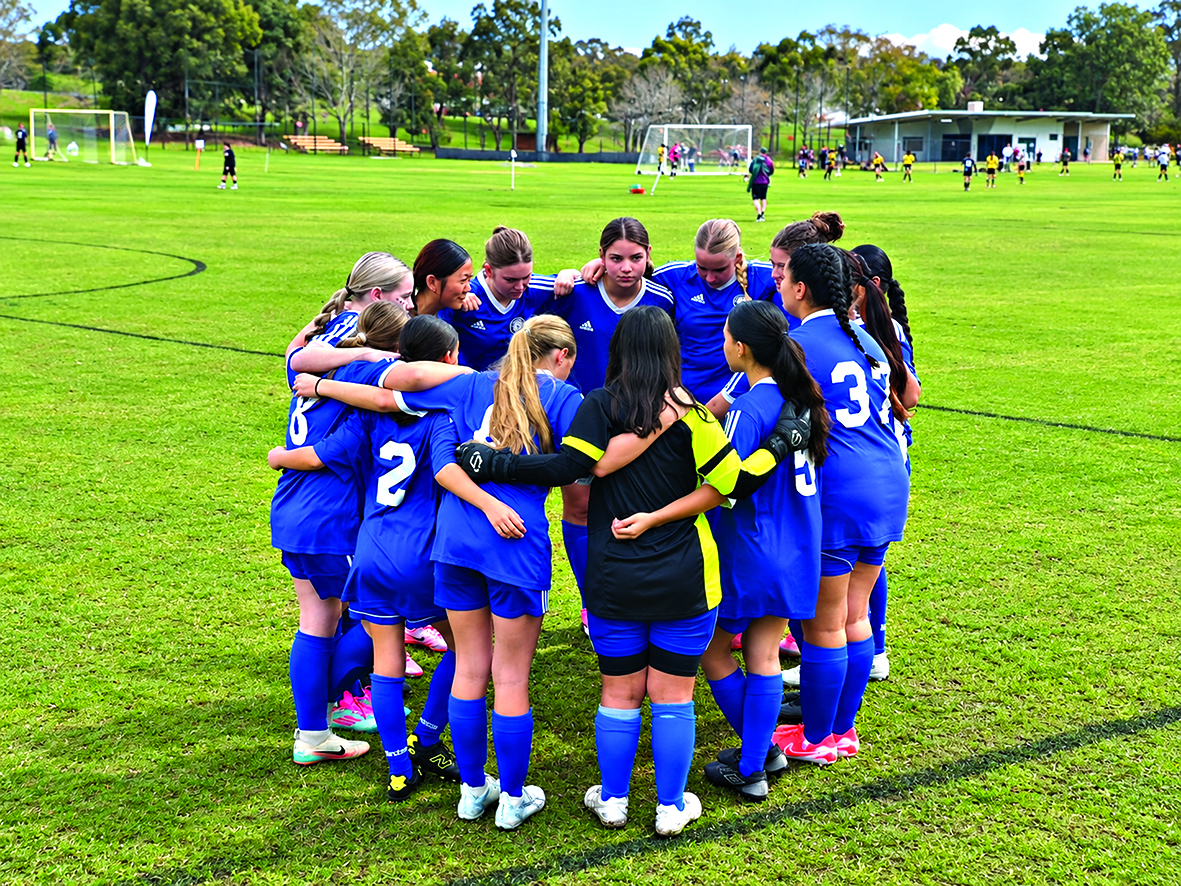
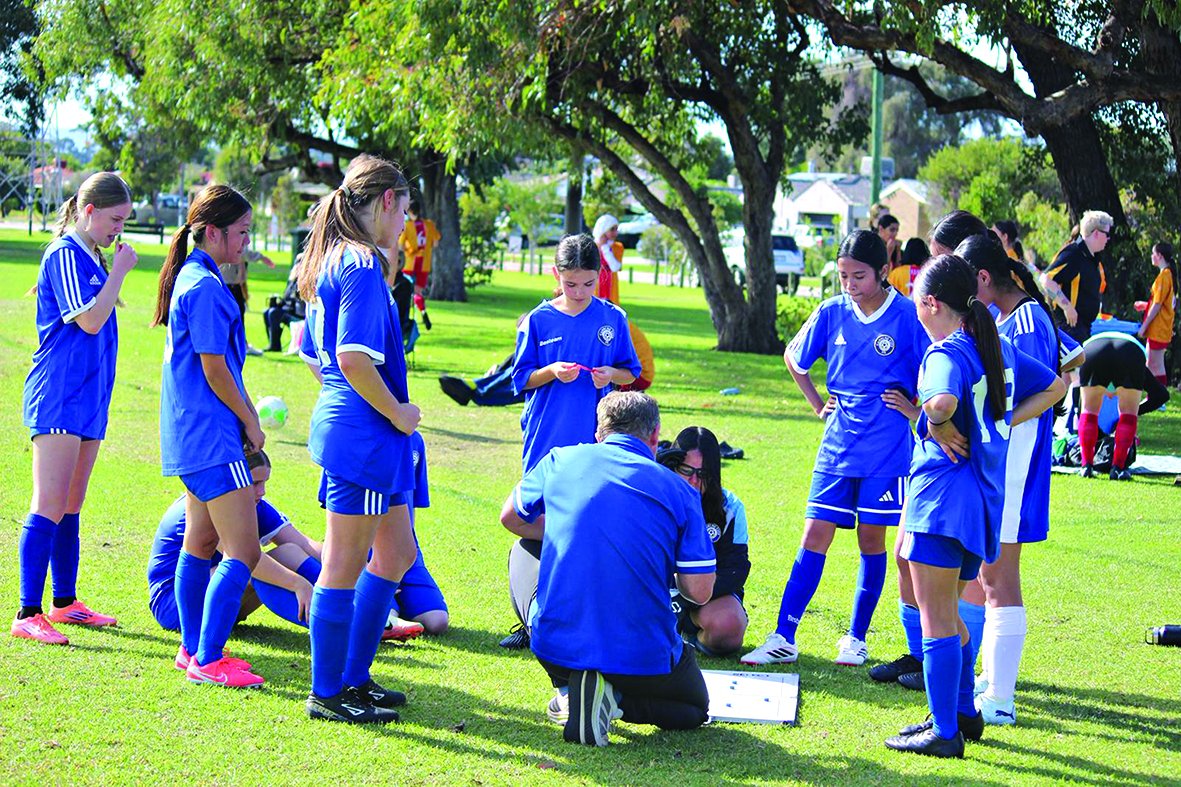
Wassell’s contribution to sport is also much closer to home. His daughter plays goalkeeper for Canning City FC’s under-15 girls’ team, despite having only recently turned 13.
Wassell is now an assistant coach and the club’s female coordinator, helping build its girls’ program and encouraging teenage players to stay involved in the sport.
He hopes what the girls see from him is not a collection of medals or records, but the value of effort.
“It’s not about being the best, the fastest or the most skilful,” he said.
“It’s about the effort you put in.
“I hope the girls see me running around and doing the best I can with what I’ve got, and think, ‘If he can do it, what’s holding me back?’”
Wassell said the medals and records were the easiest parts of his story to list.
Less visible were the years spent rebuilding his life after leaving the Navy, finding work and learning to live with his disability.
His selection as a Courage Award finalist has given him a chance to look back at those years.
“My life since then has included sporting achievements, but also many ordinary days spent adjusting, working and keeping going,” he said.
Today, HMAS Ovens, the submarine where Wassell’s life changed in 1994, sits as a museum exhibit in Fremantle.
If he could speak to the man who lay above its torpedoes more than three decades ago, unable to tell his crewmates what was happening, Wassell knows what he would say.
“I’d tell him that life will be different from the one he expected, but it will still be a good life,” he said.
“He’ll find work, meet the woman he loves, have four wonderful children and discover things he never imagined he could do.
“I wouldn’t change the life I’ve built since 1994.”