
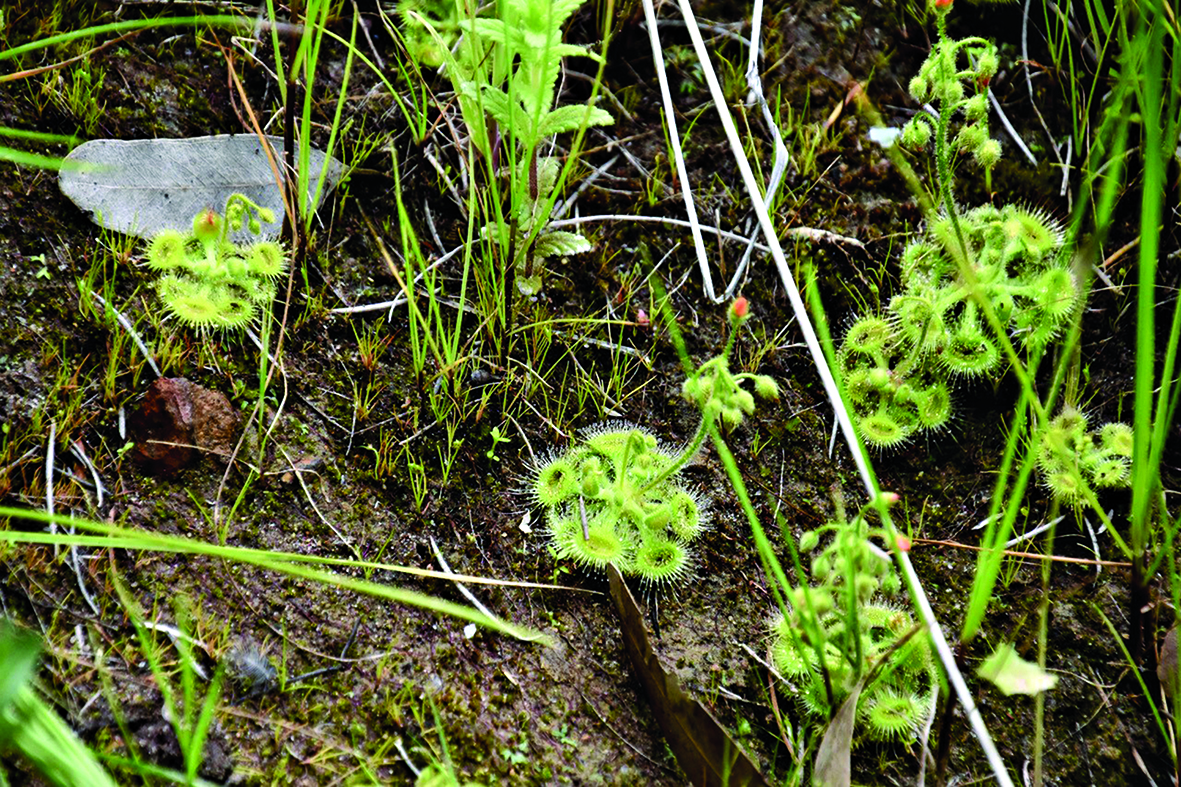
A tiny insect-eating plant was among the discoveries during last weekend’s bush walk through a Gosnells wetland that is home to hundreds of native plant species.
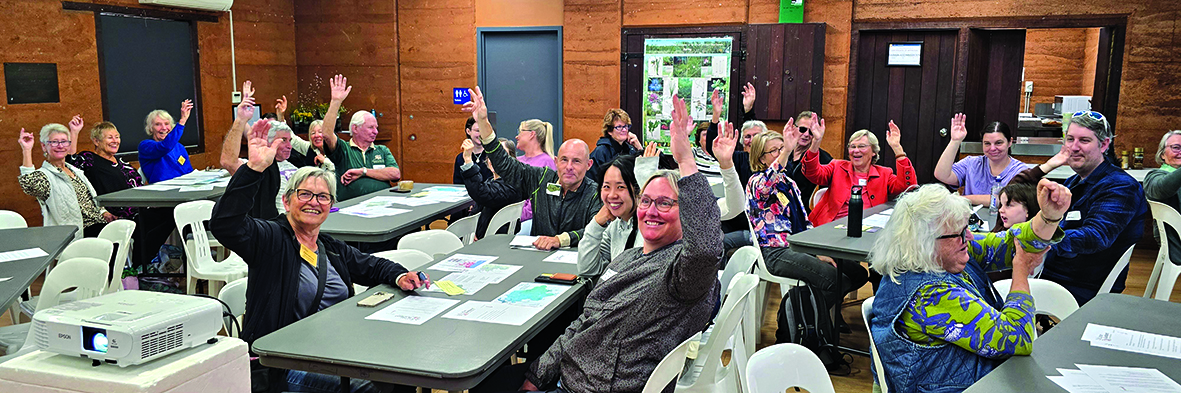
About 40 people took part in an Urban Bushland Council workshop at the Mud Hut on Sunday, followed by a walk through the nearby reserve.
Most participants were locals, while others travelled from Mandurah and other suburbs to attend.
The workshop focused on Borree Borree/Greater Brixton Street Wetlands and the native plants found across the area, as well as the threats posed by introduced species.
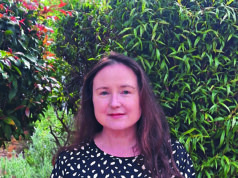
Botanist Bronwen Keighery OAM said more than 550 indigenous plant species had been recorded at the Bush Forever site when the State Government’s Bush Forever report was released in 2000.
At the time, that represented about half of the plant species found on the Swan Coastal Plain within the Perth metropolitan region.
Ms Keighery said newer figures had been recorded since then, but the proportion remained much the same.
The large number of species in a relatively small area is partly due to the different soils and wetland conditions found there.
The site contains summer-cracking clay and sand, as well as areas of limestone and ironstone.
Some of these soils and materials slow water from soaking into the ground after rain, creating pools and waterlogged areas that dry at different rates.
Ms Keighery said these conditions create a variety of habitats where different plants can grow.
During Sunday’s Walk, participants spotted Drosera glanduligera, a tiny insect-eating plant.
The species grow from seed each year and, like other Drosera species, has specialised hairs that catch insects.
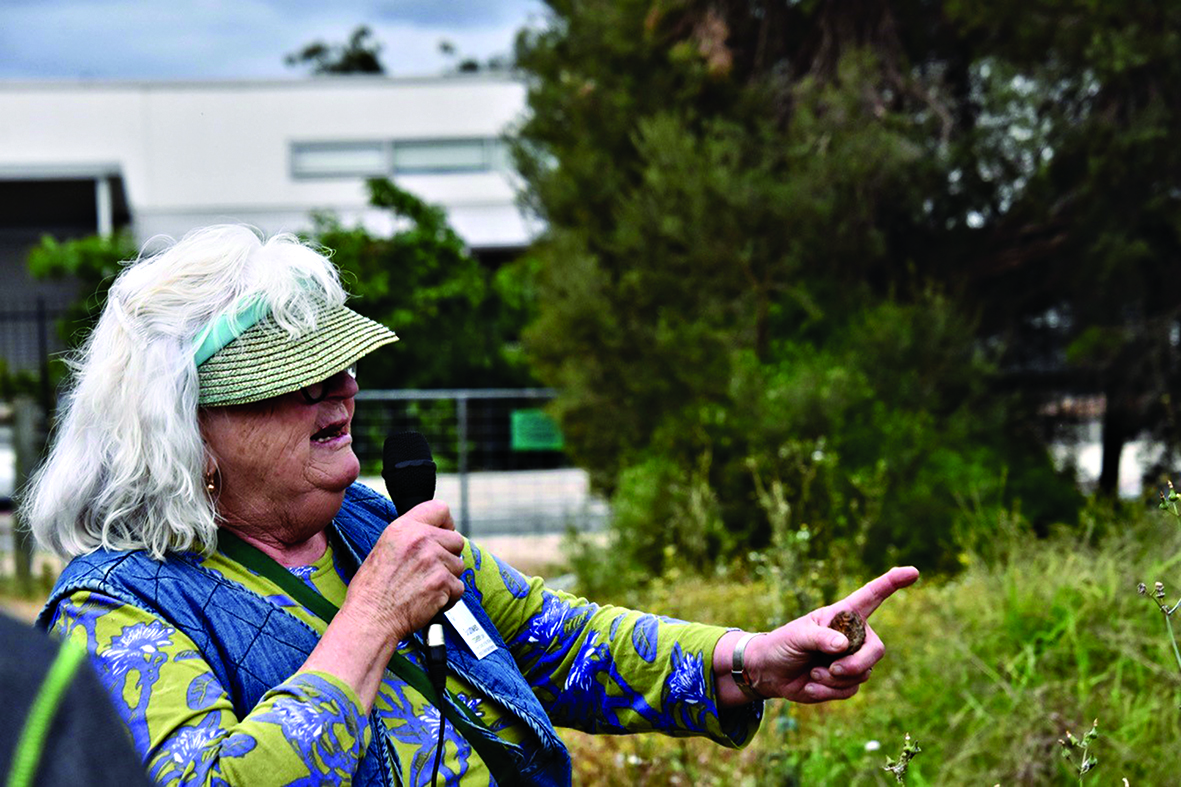
Urban Bushland Council member Elizabeth Eaton said the wetlands were part of an ancient floodplain that had received seeds through water flows and other means over a long period.
She said protecting the reserve was important to retaining the diversity of native plants found across Perth.

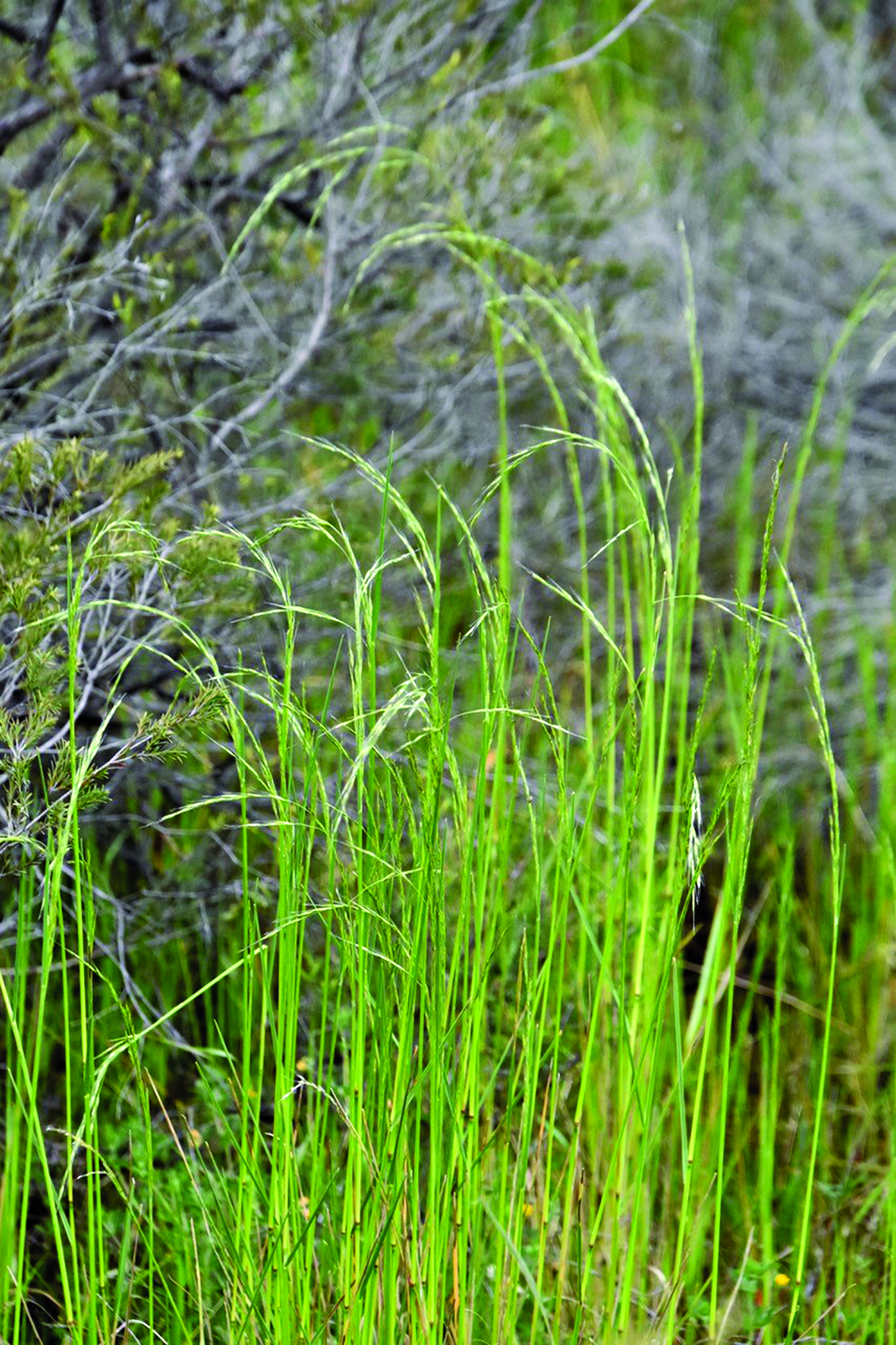
The group also got a close look at a less welcome plant. Coolatai grass, an introduced perennial grass from southern Africa, has spread across parts of Gosnells.
Ms Keighery said the grass forms dense clumps that can smother and replace indigenous plants.
DBCA project officer Cat Williams showed participants how dominant the grass can become in small areas of bushland.
Regular monitoring and weed control have helped prevent it from becoming established in Borree Borree/Greater Brixton Street Wetlands.
University of New England academic Subas Dhakal also spoke at the workshop about environmental restoration and his experiences working in Nepal and Australia.
He has worked with the Friends of Greater Brixton Street Wetlands for more than a decade and showed participants photographs of changes in the wetland’s vegetation across the Noongar seasons.
Urban Bushland Council chair Christine Richardson said community expectations around caring for natural areas had changed over the years.
“Over the years of hosting environmental workshops there has been a steady increase in the expectations about environmental management, and in the understanding of the importance of habitat in retaining native plants and animals,” she said.
The Urban Bushland Council hosted the event with support from the Department of Biodiversity, Conservation and Attractions and the WA Landcare Network.
Participants were also able to select a native plant for their garden, grown by the Australian Native Nursery in Oakford.