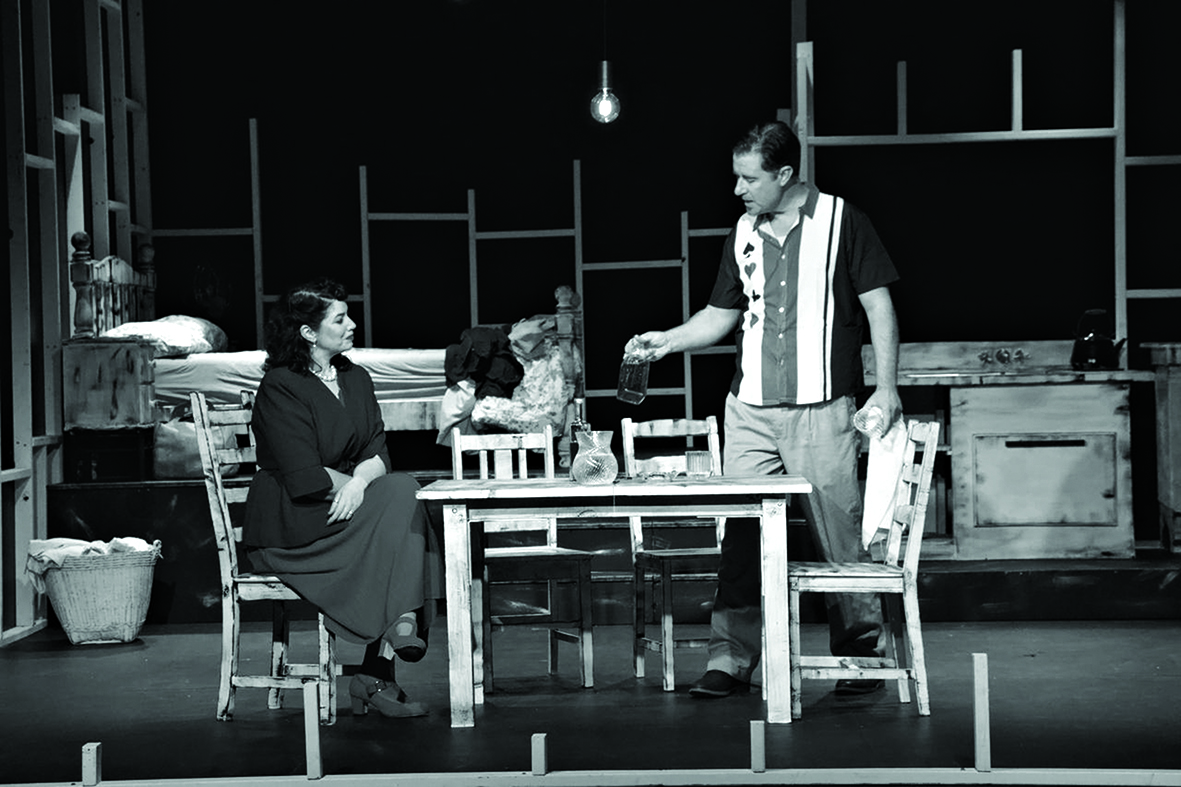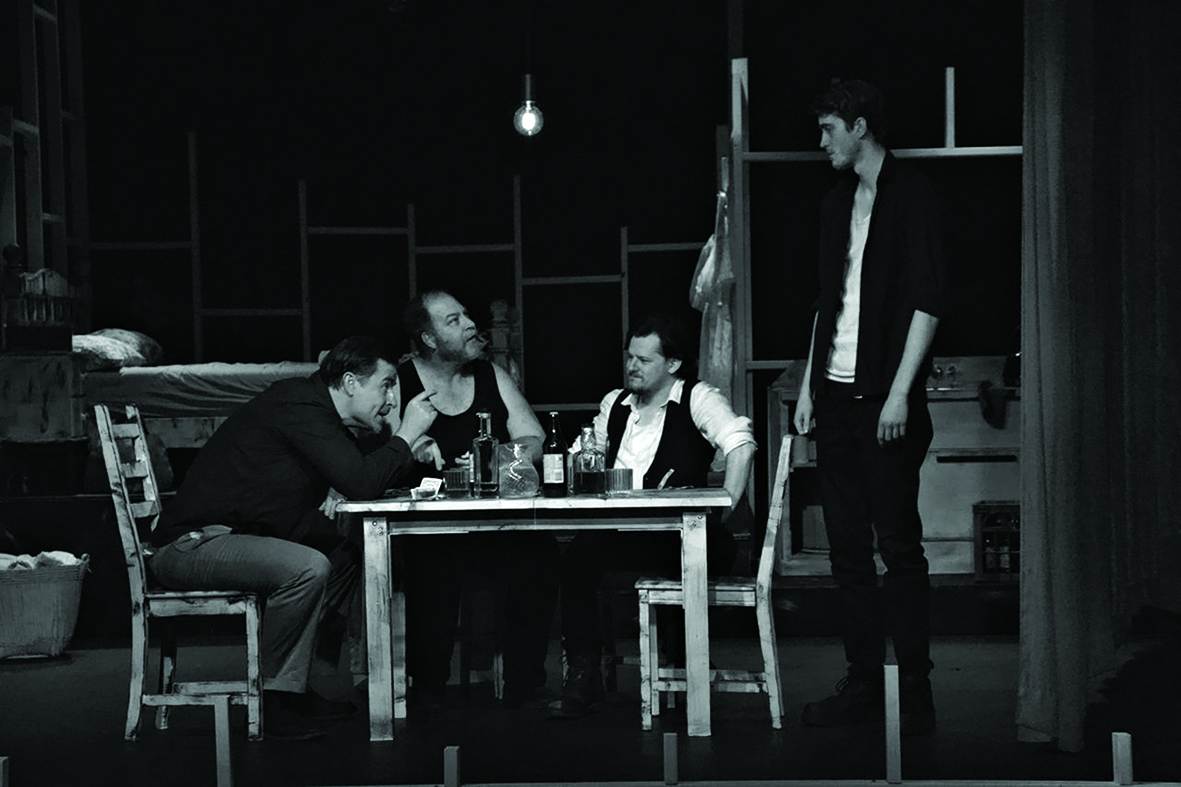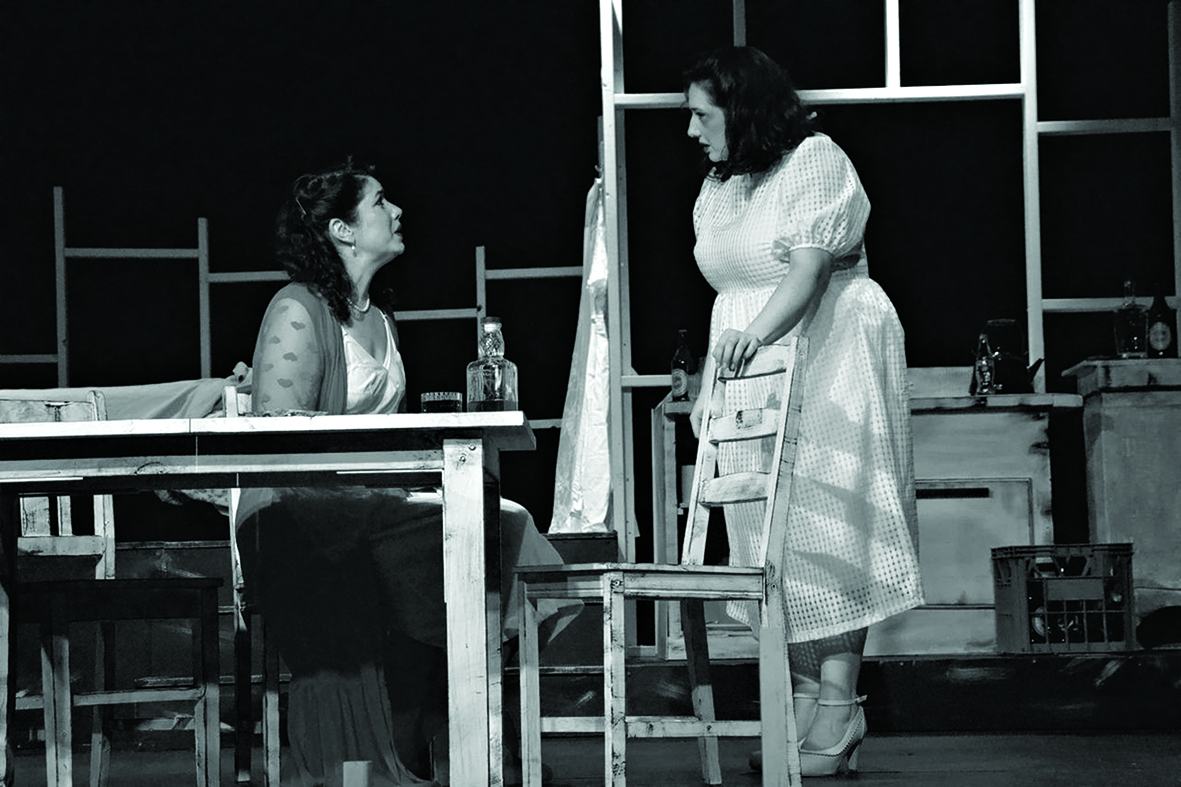

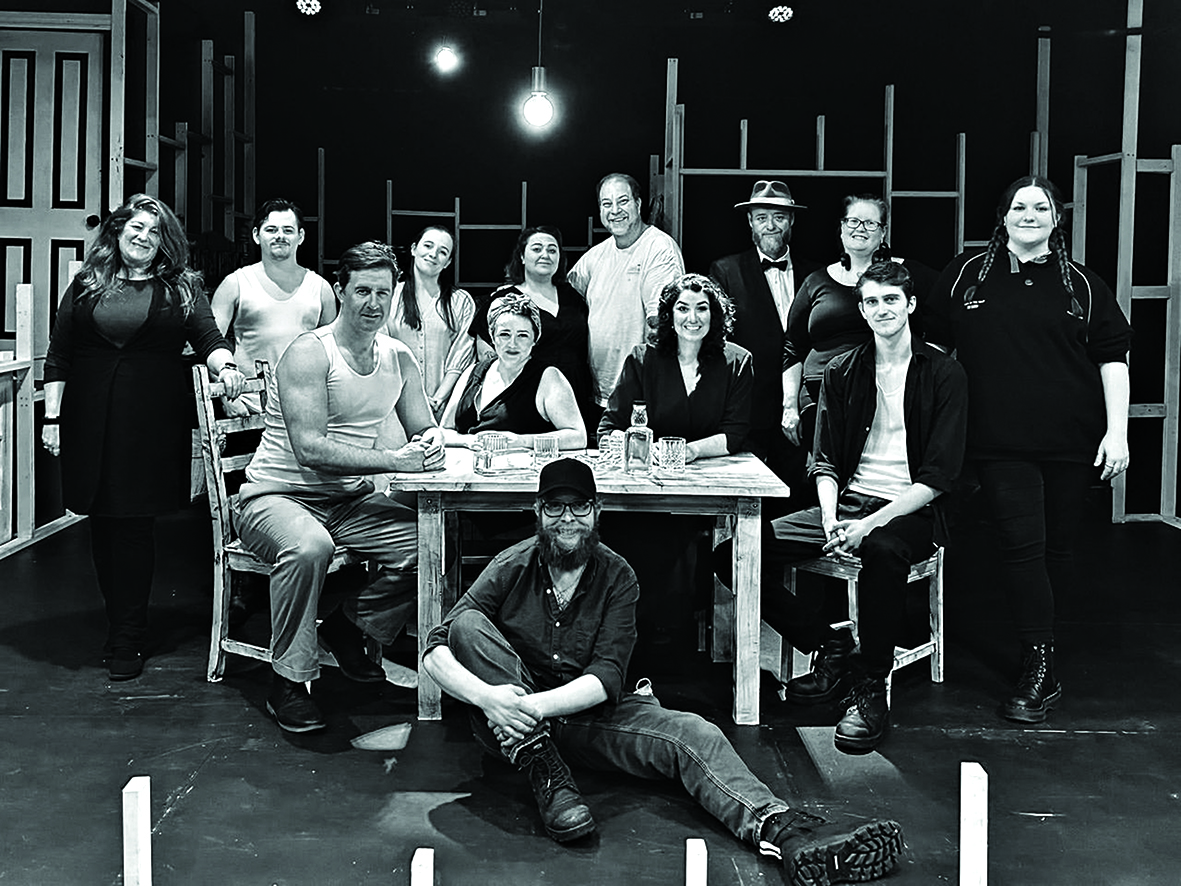
Roleystone Theatre’s recent production of Tennessee Williams’ classic play A Streetcar Named Desire was phenomenal.
From September 11-19, audiences were treated to a delightful, though confronting, rendition of Williams’ masterpiece, a tale of clashing worldviews, changing times, betrayal and untamed passion.
Originally released on Broadway in 1947, and famously adapted to film in 1951 starring Marlin Brando, it tells the story of Southern lady Blanche DuBois who, facing financial hardship, moves in with her sister Stella and Stella’s husband Stanley in a run-down part of New Orleans.
Blanche’s refined mannerisms, representative of her background in the fading Southern aristocracy, put her severely at odds with Stanley, a tough and direct working man with little time for pretensions.
Through the play, these conflicting worldviews, and the gradually revealed shady backstory of the damaged Blanche, lead to immense tensions, and eventual tragedy.
The play remains as relevant as ever today, where the conflicting beliefs and values of different classes, in an increasingly unfamiliar world, lead to clashes that are all too well-known to so many of us.

Roleystone Theatre’s volunteer-run management, and director Adam Wolfe, showcased their devotion to authentic drama in its highest form in A Streetcar Named Desire. The play’s cast felt very suited to their roles, with the play’s lead Taneeka Grant working as a drama teacher in her day job.
Ms Grant, a long-term fan of the play since studying it in school, described the opportunity to play Blanche as a dream come true, and her enthusiasm did indeed shine forth in the play, as she captured her character’s energy and passion, as well as her monumental personal decline.
Roleystone Theatre invited some new talent to this production as well, with Stanley’s actor Lincoln Matrozis playing there for the first time. Mr Matrozis said he loved the chance to interpret the role of Stanley for its weight and intensity.
The play provoked thought and reflection with its direct and realistic themes, representing a scenario that we have all lived in some form, and raising significant questions about what defines our modern identities.