
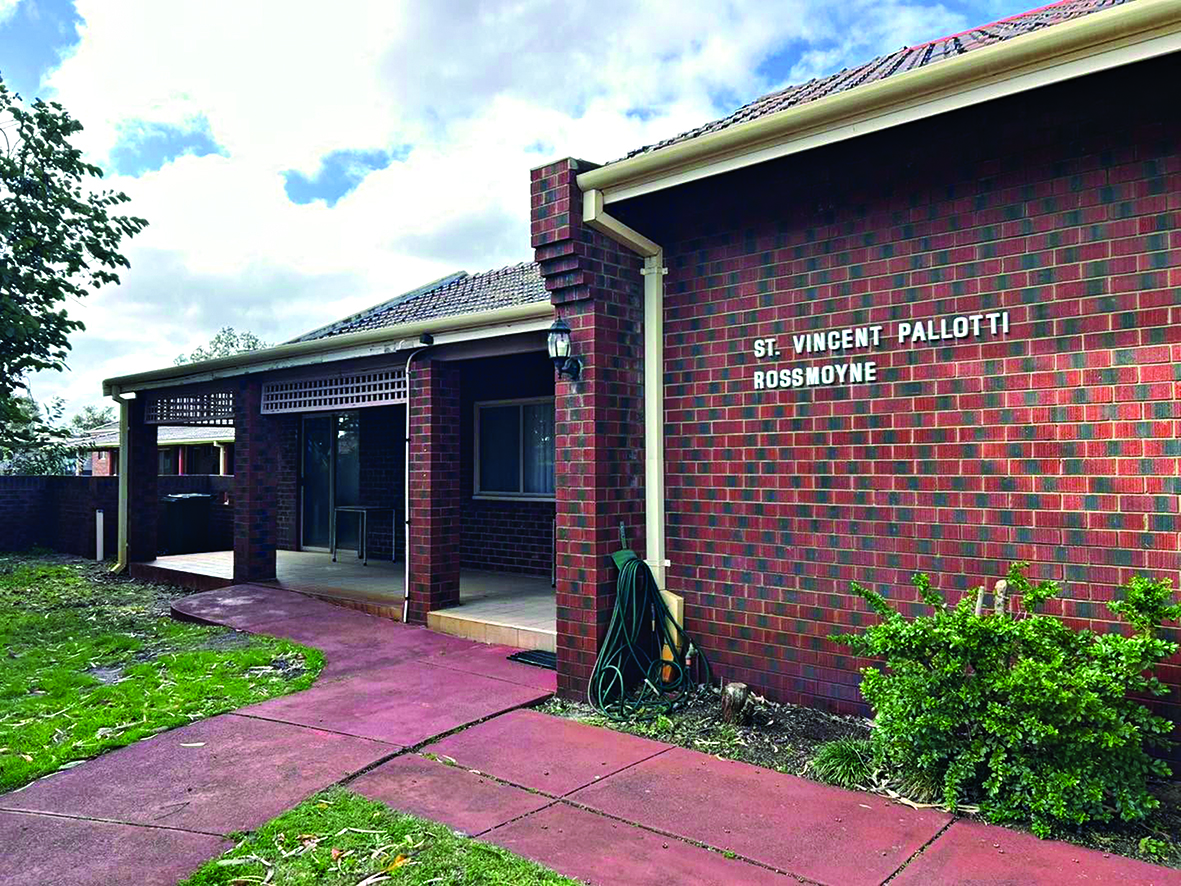
Residents are being urged to have their say on a higher-density rezoning proposal in Rossmoyne and Shelley after the State Government directed two sites to be considered for R60 zoning instead of the R40 originally proposed.
The change affects 50 Fifth Avenue, Rossmoyne and 5 Michael Court, Shelley, where the landowner had sought R40 zoning.
In April, City of Canning councillors unanimously agreed to initiate the scheme amendment at R40 and send it through the required State Government process before public consultation.
Planning and Lands Minister John Carey later approved the amendment for advertising but directed the City to advertise the sites at R60.
The City said neither it nor the council requested, recommended or supported the increase to R60 and it was legally required to advertise the amendment at the density directed by the Minister.
Mayor Patrick Hall said council had considered R40 appropriate when it dealt with the proposal in April.
“When Council considered this proposal in April, we supported a change to R40, which we considered an appropriate density for these sites,” he said.
“The proposal now being advertised is different, with the Minister for Planning directing that R60 be considered through the consultation process.
“This represents a further increase in potential density. At R40, the sites could accommodate approximately 55 lots, compared with approximately 82 at R60.”
The City said the Minister’s direction did not provide it with detailed site-specific reasons for increasing the density.
Planning and Lands Minister John Carey told the Examiner increased residential infill in well-serviced suburbs could help more Western Australians into homes.
“Increased residential infill in well-serviced suburbs supports more Western Australians into their own home,” he said.
“These sites were identified through the City of Canning’s own Local Planning Scheme as suitable for increased density.
“The Rossmoyne sites are within walking distance of Bull Creek Station and close to jobs, services and two universities.
“An R60 coding would allow for a greater range of housing types, including townhouses and smaller unit developments.”
Mr Carey said the proposed amendment would be advertised and submissions carefully considered before a decision was made on the density code.
A residents’ petition launched in opposition to the original R40 proposal has attracted more than 600 signatures, according to organisers.
The petition raises concerns about traffic, parking, road safety, pressure on infrastructure and schools, tree canopy and the effect higher-density development could have on surrounding residential areas.
The City said it had not received a petition relating to the scheme amendment and encouraged residents to make submissions during the formal consultation period.
Canning councillor Ben Kunze said infill was important but needed to be properly planned.

“Infill is important as it is not sustainable for Perth’s urban sprawl to continue unabated. It is crucial however that densification is done in a considered way, with proper planning,” he said.
“The majority of Rossmoyne is currently R20, and R60 is a significant deviation from that – it’s not complimentary to the suburb.”
Cr Kunze questioned whether upcoding the site beyond R20 remained appropriate, pointing to the State Government’s commitment to reduce access to Leach Highway from Fifth Avenue.
He acknowledged there were legitimate reasons to consider R40 because of the size of the land but said R60 went too far.
“R60 is excessive however and inconsistent with the suburb,” he said.
He said the estimates of about 55 lots under R40 and 82 under R60 came from City staff advice based on what is allowed under the Residential Design Codes and the size of the land.
Cr Kunze said he was unaware of the reason the Minister increased the proposed density to R60.
“I am baffled that the Minister has dictated R60 be advertised, given both the applicant and the Local Government were aligned in advertising R40 for public comment, which is already considerable infill when you consider the majority of the suburb is R20,” he said.
The City said technical documents submitted by the landowner, including a Transport Impact Statement, were prepared for the original R40 proposal.
It sought advice from the Department of Planning, Lands and Heritage about whether those studies needed to be updated for R60.
According to the City, the department advised that the increase from R40 to R60 was not considered significant enough to require updated supporting documents.
The City will consider traffic, road safety, infrastructure, environmental matters and community submissions when assessing the amendment.
It stressed the amendment would only rezone the land and would not itself approve subdivision or development. Further detailed studies would be required at the subdivision and development application stages if the amendment proceeds.
Public consultation opened on August 18 and closes at 5pm on September 29.
Once consultation closes, the matter will return to council. Councillors can support the amendment, support it with changes such as reverting to R40, or decide not to support it.
The amendment and submissions will then go to the Western Australian Planning Commission, with the Planning Minister making the final decision.