
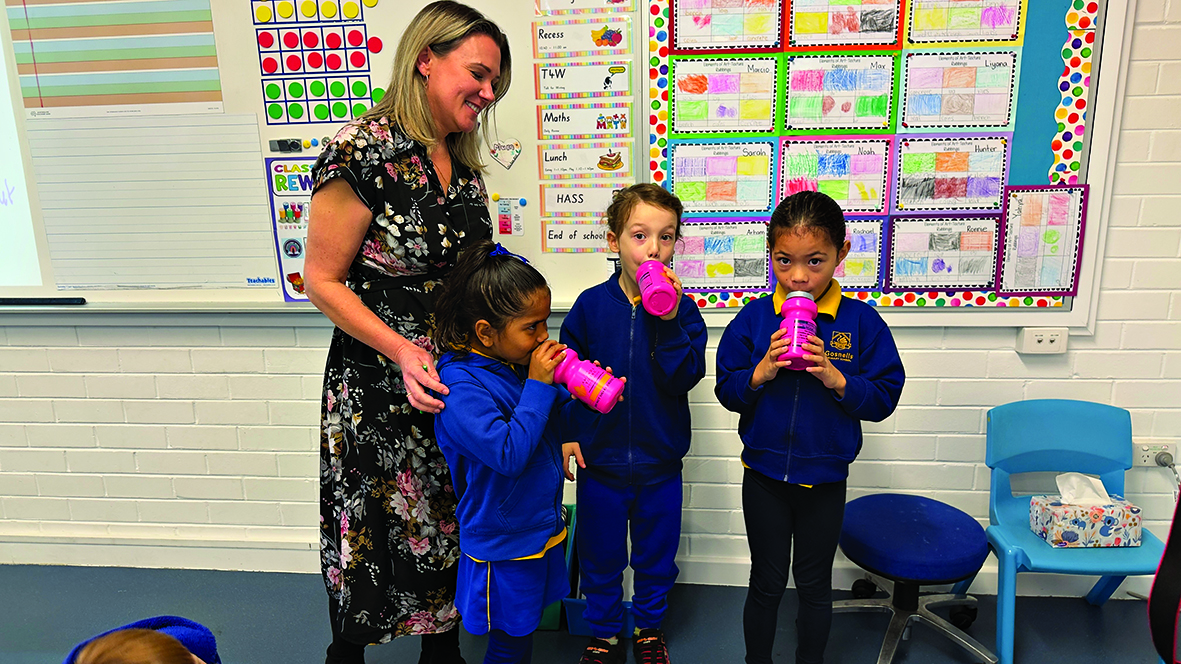
Year 1 students at Gosnells Primary School learned simple ways to help stop the spread of germs during an experiential health lesson inspired by the legacy of one of the school’s former students.
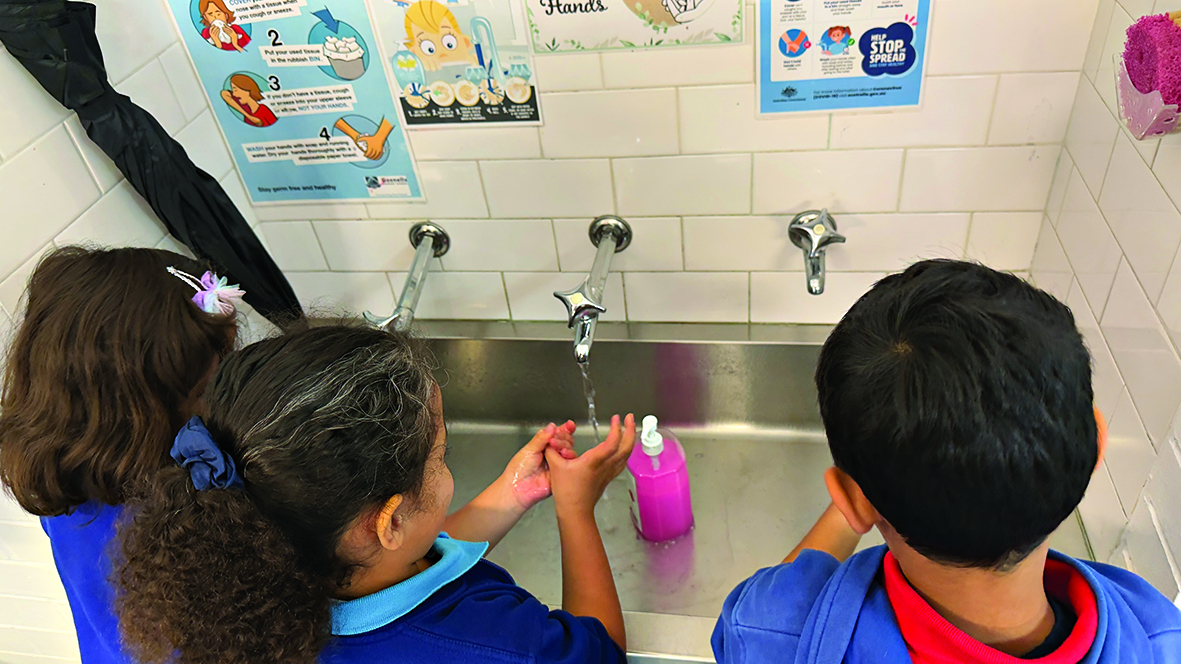
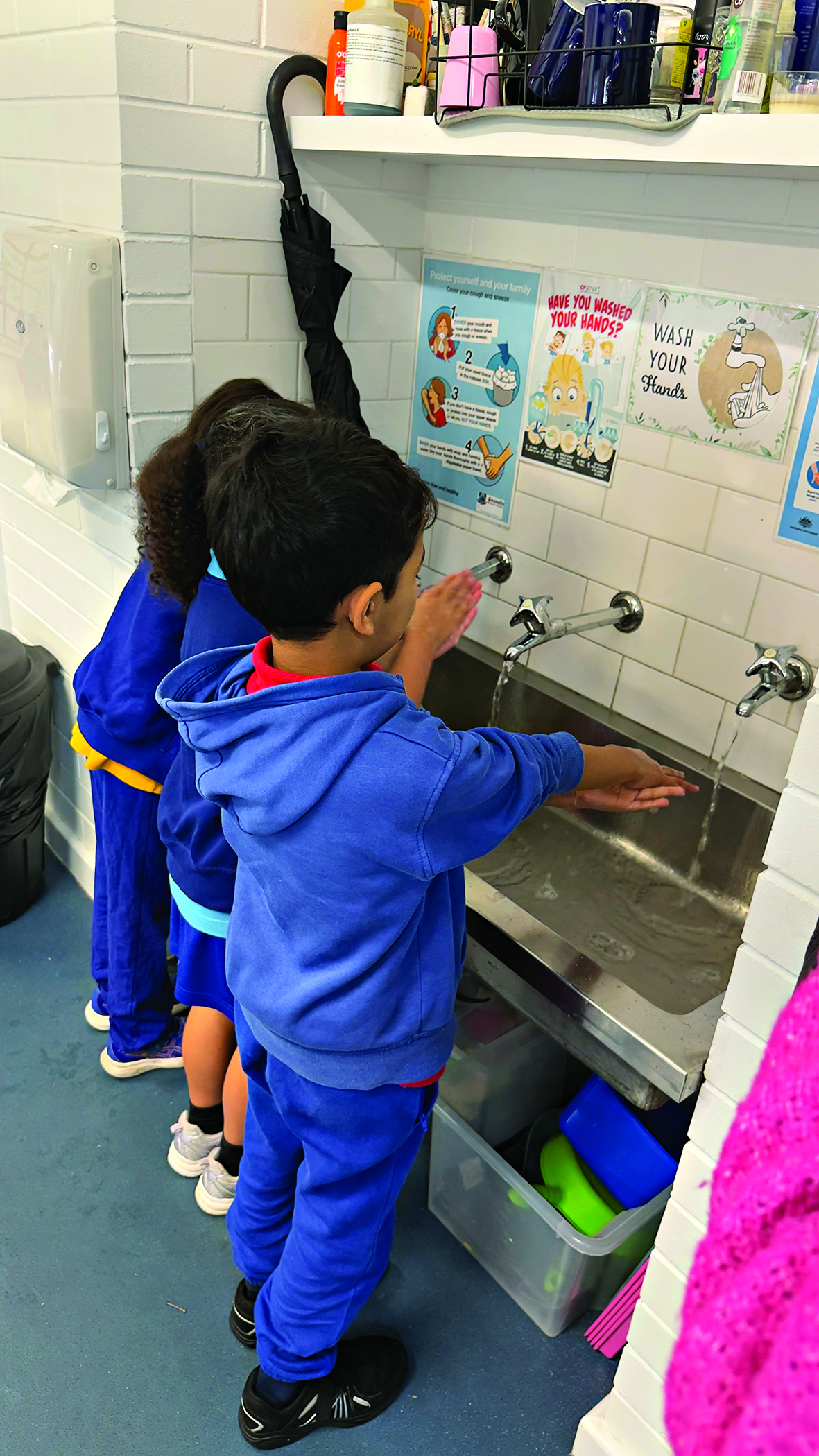
The lesson, supported by the Amanda Young Foundation, taught children practical hygiene habits such as washing their hands, covering coughs and sneezes, not sharing drink bottles and recognising how illness can spread from person to person.
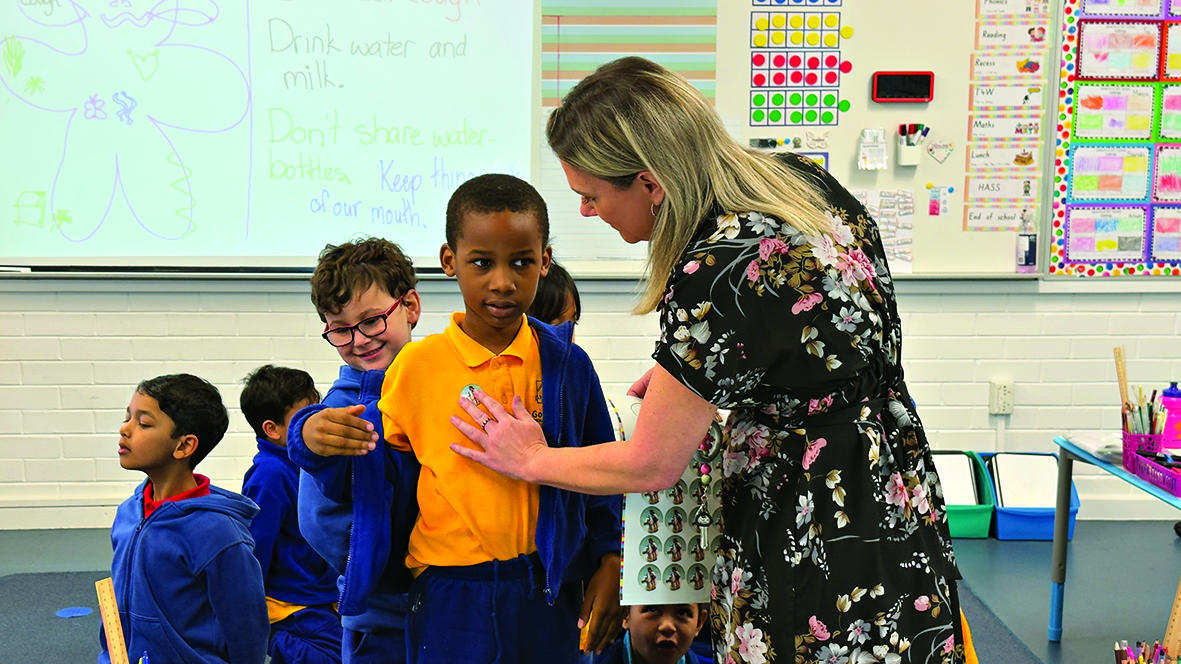
Using glitter to demonstrate how germs can quickly spread, the class watched as a sneeze without covering the mouth sent “germs” across the classroom. When the teacher covered the sneeze with her hand instead, the glitter stayed on her hand, leading to a discussion about the importance of washing hands properly.
Students joined in, sharing their own experiences of being sick and reminding each other to cough into their elbow, use tissues and wash their hands.
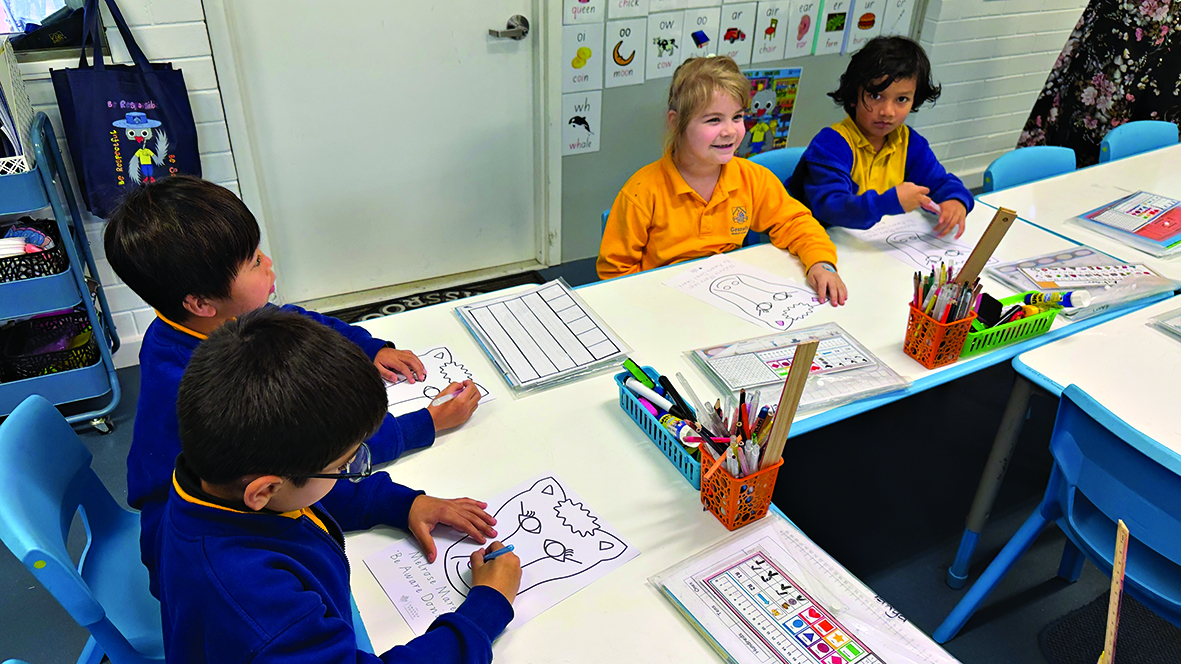
They also drew gingerbread figures showing how different parts of the body can feel when someone is unwell, before listing simple things they can do to help stop germs spreading.
The Amanda Young Foundation also gave each student a water bottle, stickers and colouring materials to take home, reinforcing the message that healthy habits can become part of everyday life.
The visit was specifically meaningful because Amanda Young attended Gosnells Primary School from 1985 to 1991. She was Head Girl, Dux and took part in every sport available at the school. Her mother, Lorraine Young, also attended the school more than 70 years ago and later returned as the school nurse.
Deputy principal Michelle said the school’s relationship with the Amanda Young Foundation had continued since Amanda’s death, with the foundation presenting the school’s annual Dux Award each year.
“We’ve started that relationship with them, and then obviously they’ve built their website, so our junior teachers have been doing some of their health lessons to try, obviously, promote those hygiene practices,” she said.
She said teaching children healthy habits from an early age could have a lasting impact.
“I think we’ve got to start early, and definitely that early hand washing and hygiene standards.”
Ms Michelle said Amanda’s story still resonated within the school community.
“I’ve been here since 2009, so I’ve been here for a lot of the journey of Barry and Lorraine coming every year,” she said.
“We have a close relationship with them and spread that through the school and make sure they still hear the message.”
She said the family’s personal connection made the lessons more meaningful for students.
“I think when a story is closer to home, children respond more to it because they understand that it can actually happen.”
Lorraine Young said returning to Gosnells Primary School each year brought back many happy memories.
“Amanda had six very happy years here,” Mrs Young said.
“She was Head Girl and Dux and involved in every sport that was available, and she just loved this school.
She said Gosnells Primary School would always hold a special place in the family’s heart.

When asked what she hoped the Year 1 students would remember from the lesson, Mrs Young said the simple messages could stay with them for life.
“We hope that it’s something that they’ll embrace,” she said.
“The practical examples of washing their hands and covering their mouth when they cough, and not sharing drinks, I think these are lifelong skills which have the potential to cut out a lot of infection.”
Barry Young said there was still work to do to improve awareness of meningococcal disease.
“Some of them don’t even know about it,” he said.
“Some of them don’t even get vaccinated.
“Generally, throughout the community, vaccination rates are dropping.”
He said governments had recently run television campaigns encouraging people to get vaccinated.
Mr Young said community support remained strong, as parents who had attended school with Amanda are still helping at the foundation’s annual garden fete decades later.
He said the foundation had seen awareness improve since it was established after Amanda died from meningococcal disease in 1997.
“When Amanda got meningococcal, most people were not aware of it,” he said.
“There used to be over 100 cases in Western Australia every year, and in the last couple of years it’s come down to 10.
“Ten is still too many, but it’s been a fantastic improvement.”
Mr Young said meningococcal B, now the most common strain, remained a concern because families must pay for the vaccine.
“We’ve been doing a lot of lobbying of politicians behind the scenes, and we’re hoping there’ll eventually be a breakthrough,” he said.
He hopes children will continue the conversation at home.
“Hopefully they get their kid vaccinated, if that’s at all possible, but they learn something as well,” he said.
“A lot of parents don’t know about it until they hear us talking about it, so there’s still a lot of education to be done.”