


A Thornlie family who spent more than two years separated from their children while trying to build a life in Australia is among a growing number of Western Australians turning to emergency relief services as living costs continue to rise.
Peggy and her husband Stephane moved to Perth from Mauritius hoping to create a better future for their family.
The couple lived in a single room at a relative’s home in Thornlie with their young daughter while trying to establish themselves in Western Australia.
Because they were on student visas, both faced restrictions on the number of hours they could work. Their two sons remained in Mauritius with their grandparents for two-and-a-half years while the couple worked towards securing stable housing and employment.
Despite balancing work, study and parenting, the family often struggled to make ends meet.
Vinnies WA provided food assistance and shop vouchers, helping to ease financial pressure while the couple worked towards reuniting their family.
Recently, Peggy and Stephane secured sponsorship arrangements that allowed them to work more hours and move into their first rental home.
Vinnies WA also provided furniture, bedding and household essentials to help turn the empty house into a home.
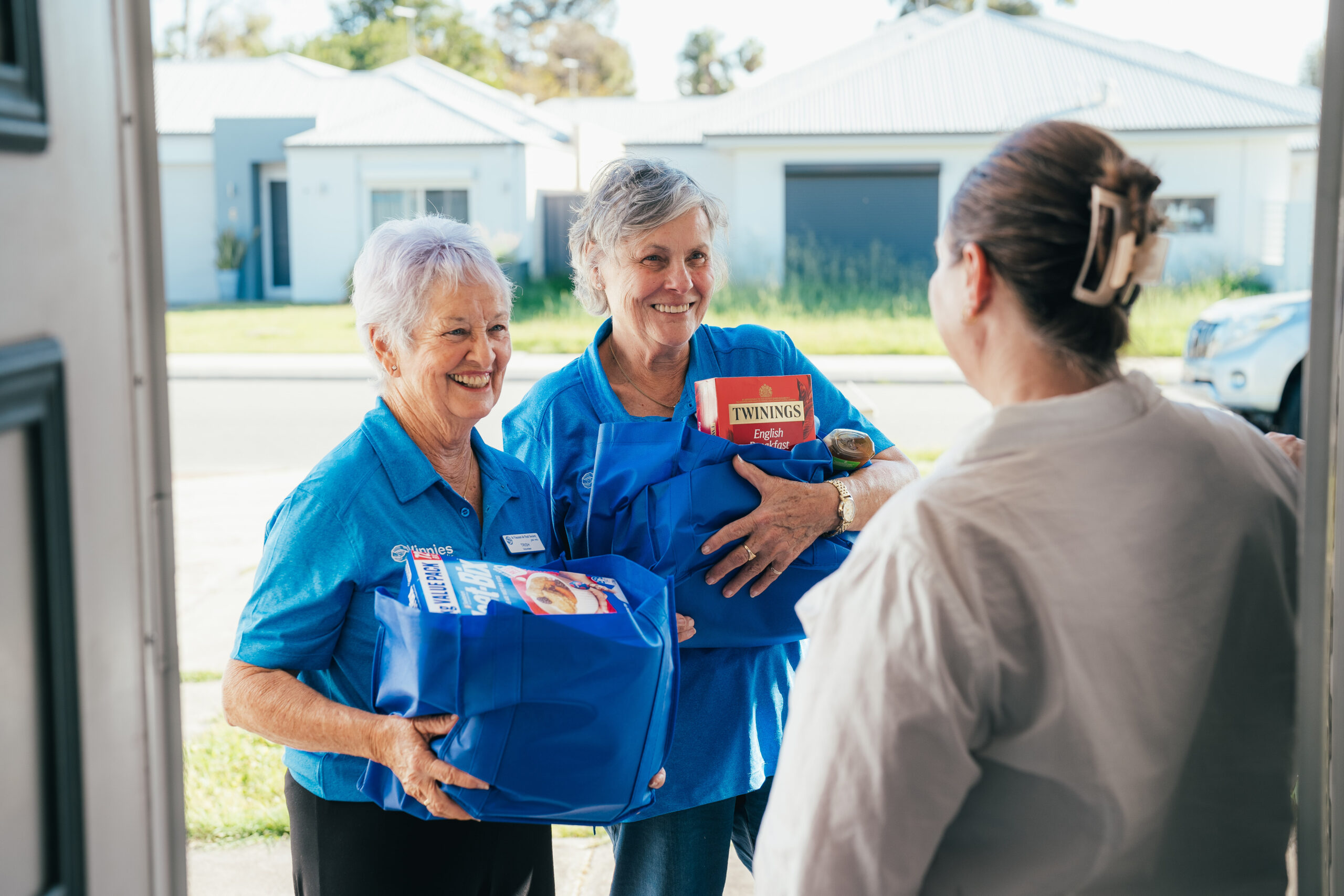
The family’s experience comes as Vinnies WA reports a sharp increase in demand for emergency relief services across the state.
Between January and April this year, the organisation recorded an 18 percent increase in calls to its Emergency Relief lines compared with the same period last year.
Food accounted for 65 percent of all assistance provided, followed by clothing and living essentials at 11 percent, petrol at five per cent and assistance with bills at four percent.
Vinnies WA CEO Ann Curran said more employed people were seeking support because incomes were not keeping pace with rising living costs.
“Many households with steady incomes are finding that even full-time work no longer covers the cost of rent, groceries, fuel and utility bills, and that they have no financial buffer left,” she said.
Ms Curran said frontline staff and volunteers were hearing from people struggling to keep up with everyday expenses.
“We are hearing from people who are overwhelmed and exhausted,” she said.
“Many are telling us they are skipping meals, falling behind on bills or making impossible choices between paying rent, buying food or putting fuel in their car.”
The number of employed West Australians receiving support increased by 25 percent compared with the same period last year, while 14 percent of people assisted were seeking help for the first time.
Ms Curran said the figures showed financial pressure was affecting a broader range of people than in previous years.

“We are listening to people who never imagined they would need help, including working families, older Australians and people who have previously considered themselves financially stable,” she said.
“That shift is deeply concerning because it shows financial hardship is affecting a much broader section of our community.”
Figures released by Vinnies show 70 percent of people supported were women, one in three were aged between 40 and 50, and one in three were single parents with children.
The figures were released as Vinnies WA launched its annual Winter Appeal, which helps fund emergency relief services and homelessness support across the state.
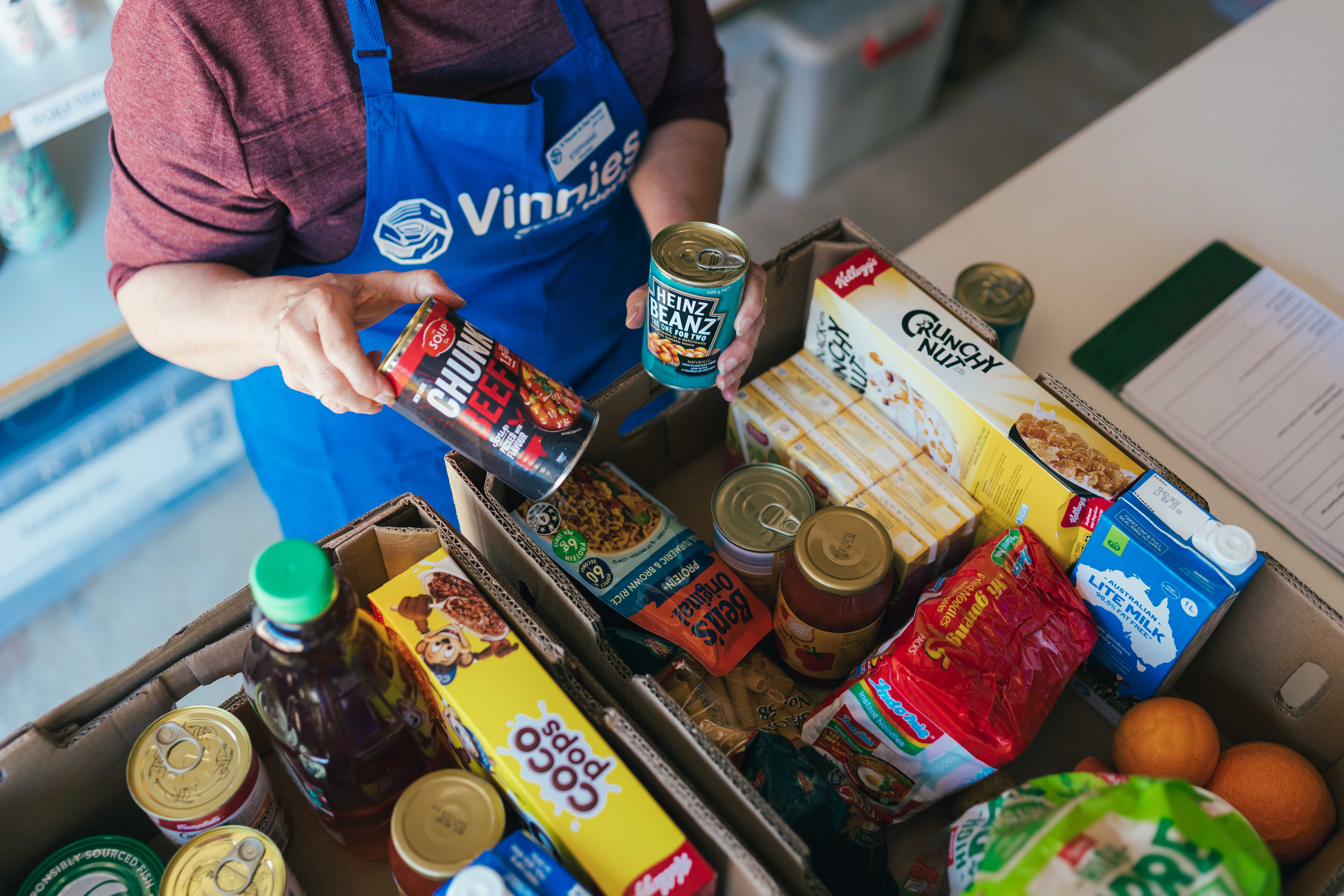
Ms Curran said winter often brought extra financial pressure for households already struggling.
“Higher heating and electricity bills, along with the need for warm clothing, bedding and food, place further strain on already stretched budgets,” she said.
“For families living week to week, those seasonal costs can quickly become overwhelming.”
She said many people still felt embarrassed about asking for help, particularly those who were working.
“Many people report feeling embarrassed or ashamed in asking for help, particularly if they are employed or have spent their working life supporting themselves and others,” she said.
“But the reality is that financial hardship can affect anyone.”
Ms Curran said community support remained important as demand for assistance continued to grow.
“Without adequate community support, more vulnerable people risk missing out on essential assistance at a time when they need it most,” she said.
“Emergency Relief is often the difference between staying housed, keeping the lights on, or putting food on the table.”