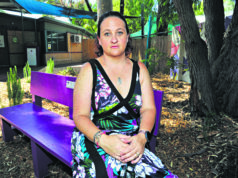

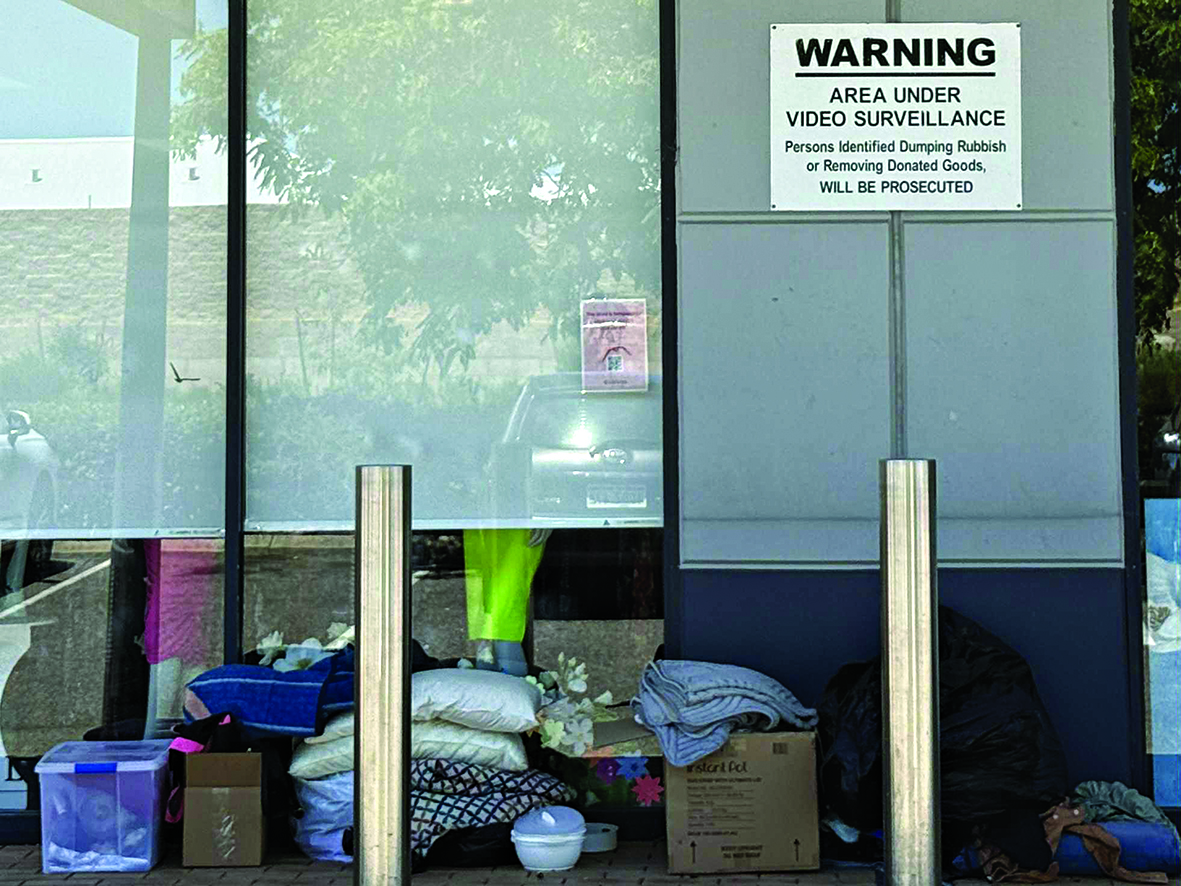
The cost of disposing unwanted goods is eating into funds intended for dementia support, says Forget Me Not (FMN) op shop owner and manager Leanne King.
Ms King said the small family-run store based in Kelmscott, directs all of its profits towards supporting people living with dementia.
She said the shop was increasingly being treated as a dumping ground, forcing volunteers, many of whom were elderly, to manage unusable items left outside the premises.
“I think the tip and the prices of the chipper are not accessible for anybody anymore,” Ms King said.
“Because of the costs, they’re finding op shops are the best place to dump their things.”
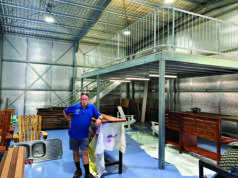
Ms King said the shop spent about $600 a month removing rubbish that could not be sold, including broken furniture, stained mattresses and damaged electrical items.
She said the expense directly reduced the money available for dementia support.
“People do not realise that we have to pay to get rid of this,” Ms King said.
Despite signage asking donors not to leave items after hours, she said dumping continued, often on the driveway or road outside the shop.
She said volunteers, many in their 70s and 80s, were left to carry heavy and sometimes unsafe goods inside before arranging disposal.
“The motto of op shopping is if you wouldn’t donate it to your friend, don’t give it to us because we can’t sell it,” she said.
“But no one seems to care.”
Ms King said monetary infringement for illegal dumpers was a good start but enforcement was difficult.
She said cameras installed to catch offenders were repeatedly stolen and only one person had ever been identified after three years of persistent dumping.
“We’re sort of stuck between a rock and a hard place,” she said.
The issue is not isolated to smaller stores.
Good Sammy chief executive Kane Blackman said although most donors followed the rules, a small number of people still left items outside opening hours.

“Items after hours would be less than 0.01 per cent of our total donations,” Mr Blackman said.
“Most of these people have the right intentions when they donate.”
However, he said unattended bags were often rummaged through by others, scattering and damaging goods and resulting in landfill costs for the charity.
He estimated Good Sammy spent nearly $400,000 each year disposing of or recycling unsaleable items such as ripped clothing, broken goods and stained materials.
“When it does occur, it is generally people trying to pass the costs of disposing something onto us,” Mr Blackman said.
“We have seen someone dump an old trailer with holes in it to our store, another that gave us mouldy bread, or even building waste with the remnants of an old commercial kitchen.
“Not only can’t we sell that, it costs us money to dispose of it.”
Mr Blackman said he had not seen the $500 infringement applied and questioned its effectiveness as a deterrent.
“More education, community awareness about what can be donated is required, coupled with prosecutions of illegal dumpers when they do occur. We send lots of footage of vehicles and people dumping items, but little gets done,” he said.
Mr Blackman said the organisation had written to the state government seeking assistance to offset the costs faced by charity retailers.
The City of Armadale said dumping rubbish where it does not belong was illegal and said a range of free disposal services were available to residents.
These include one free mattress collection per financial year for up to two mattresses, bulk verge collections for white goods, metal, large furniture and green waste and drop-off options at the Armadale landfill and recycling facility.
Residents who witness illegal dumping are encouraged to report it to the city, with investigations potentially resulting in infringements or court prosecution.
The city urged the community to make use of the free services provided.