
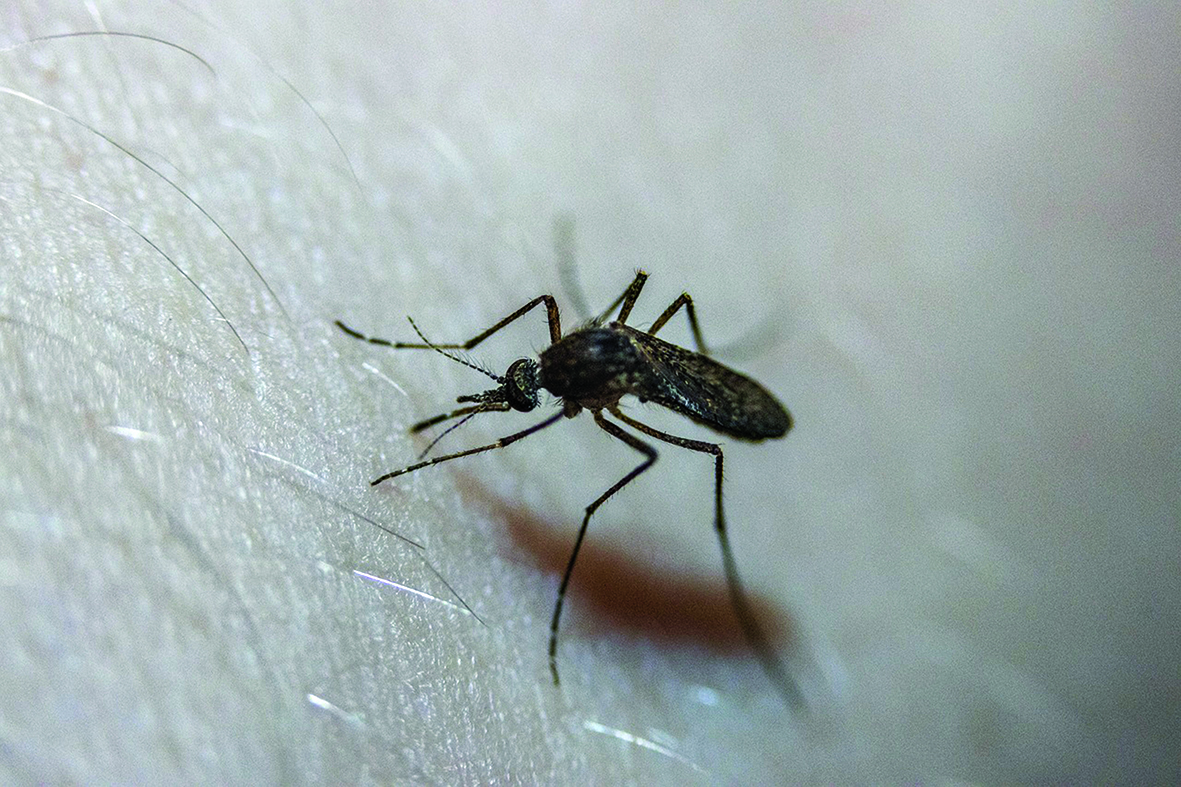
Residents in Gosnells and Canning are being urged to take steps to avoid mosquito bites, with both councils outlining mosquito management activity and the Department of Health confirming Ross River virus cases have been recorded in both districts in recent years.
Department of Health chief health officer Andrew Robertson said Ross River virus was present across Western Australia, with case numbers changing from year to year.
“RRV is always present across WA, with case numbers varying from year to year,” Dr Robertson said.
Dr Robertson said that across the 2021–25 period, six cases were detected in Gosnells and five in Canning. Over the same period, he said eight cases were detected in Armadale and six in Serpentine Jarrahdale.
The City of Gosnells said it was monitoring mosquito activity and applying treatments at identified breeding sites during the 2025–26 mosquito season.
A statement attributed to City of Gosnells chief executive officer Ian Cowie said residents should follow WA Department of Health advice to protect themselves from bites.
“Cover up – wear long, loose-fitting, lightly coloured clothing to cover exposed skin when outdoors,” the statement said.
“Repel – apply an effective insect repellent containing DEET, picaridin or Oil of Lemon Eucalyptus, evenly to all areas of exposed skin.
“Clean up – remove, empty or cover water-holding containers around your home and garden.”

The City of Canning said the Canning River ran through the heart of the district and created aquatic environments that could support mosquito breeding, particularly in areas influenced by tides.
The city said salt marsh mosquitoes, including Aedes vigilax and Aedes camptorynchus, were known for aggressive biting behaviour and had the potential to transmit mosquito-borne disease, with low numbers of Ross River virus recorded within the district each year.
For that reason, the City of Canning said it ran a Mosquito Management Program aimed at reducing mosquito breeding, adult mosquito numbers and disease incidence.
It said the program included inspections and treatment of mosquito larvae in known breeding areas around the Canning River, regular mosquito trapping to track adult mosquito numbers, monitoring of tides and storm surge activity over summer, monitoring and treatment of stormwater drains, and ongoing community education.
The City of Canning also encouraged residents to report increased mosquito activity, including high numbers around homes or river areas, and said people spending time outdoors should take precautions to prevent bites.