
Jarrahdale Forest Protectors and the Conservation Council of WA (CCWA) have recently raised concerns of a mercury pollution risk from Alcoa’s Wagerup Alumina Refinery, with the CCWA lodging an appeal against the approval of one of the mining giant’s licences, issued by the Department of Water and Environmental Regulation.
According to the CCWA: “The DWER licence (6217/1983/15) review has shown a spike in mercury emissions from the refinery since 2023. The review shows that in 2025, 400kg of mercury was released, nearly double the 2022 level.”
Furthermore, CCWA Executive Director Matt Roberts has said that: “The spike was not reported to DWER by Alcoa through compliance reporting but was instead picked up through the National Pollutant Inventory in 2023.
“It seems Alcoa has seen increased mercury emissions from the Wagerup refinery for at least three years, with no action taken to remedy that. This raises serious questions about our state regulator’s capacity to effectively hold the US-based miner to account,” Mr Roberts said.
“In its response, Alcoa explained the increase as being due to higher levels of mercury in the ore and a faulty condenser, but neither of these reasons are credible excuses for the ongoing release of mercury into the environment, and it raises serious concerns about the capacity of the regulator to meet its obligations to protect the environment from harm.
“More than eight threatened species live within 2km of the Wagerup refinery. The licence application provided no research on the mercury levels in the environment or in threatened species like the numbat, chuditch, western ringtail possum, the rainbow bee-eater, black cockatoos, and Carter’s freshwater mussel.
“There are safety thresholds for mercury, but if Alcoa isn’t doing comprehensive environmental monitoring, we have no way of knowing whether there is a problem. Mercury is a dangerous neurotoxin which bioaccumulates in the environment.
“Alcoa is not required to undertake the most comprehensive of environmental testing, so we don’t know the full extent of the accumulation and if environmental thresholds are being exceeded.”
Page 28 of the DWER decision document analyses the issue of mercury release, its causation and the threat it poses. The report states that: “The delegated officer considered the apparent increase in mercury emissions from the premises reported in the Minister’s Appeal Determination (143 of 2015) and the implications for public health criteria.

“The delegated officer is satisfied that the apparent increase is likely the result of variation in mercury content in the bauxite; however, acknowledges that increased mercury to air emissions from 2022 to 2025 are also likely to have been influenced due to decreased performance of the condensers.
“Critically, the Health Risk Assessment, along with the licence holder’s sensitivity analysis, demonstrate that an increase in mercury emissions can be tolerated without posing an unacceptable risk to receptors.”
Upon enquiry, Alcoa Australia provided the Examiner with the following response: “Alcoa Australia takes the health and safety of our workforce and those living near our operations very seriously. We have strict processes and reporting in place to ensure any changes are identified and appropriate control measures are in place.
“The reported increase in mercury emissions between 2023–2025 reflects National Pollutant Inventory (NPI) reporting methodology and changes in mercury recovery efficiency, not a sudden or uncontrolled release. The increase is also a result of natural variation in the mercury content in bauxite ore being refined at Wagerup and the fact that the amount of bauxite being processed has increased over time. Mercury is a common element found in low concentrations in rocks and ores.
“As indicated in DWER’s Decision Report regarding the licence amendment, a Health Risk Assessment concluded that ‘the risk to all receptors due to atmospheric emissions from the premises, including mercury…is low.’ The decision report also indicated that ‘ground level concentration of mercury could be multiplied by a factor of nearly 20 before relative exposure limits approach a health risk.’
“Mercury data has been consistently reported via the NPI, which is the legislated reporting mechanism. Alcoa identified the increase in emissions, escalated it internally, and addressed it directly with DWER through the licence review and amendment process.”
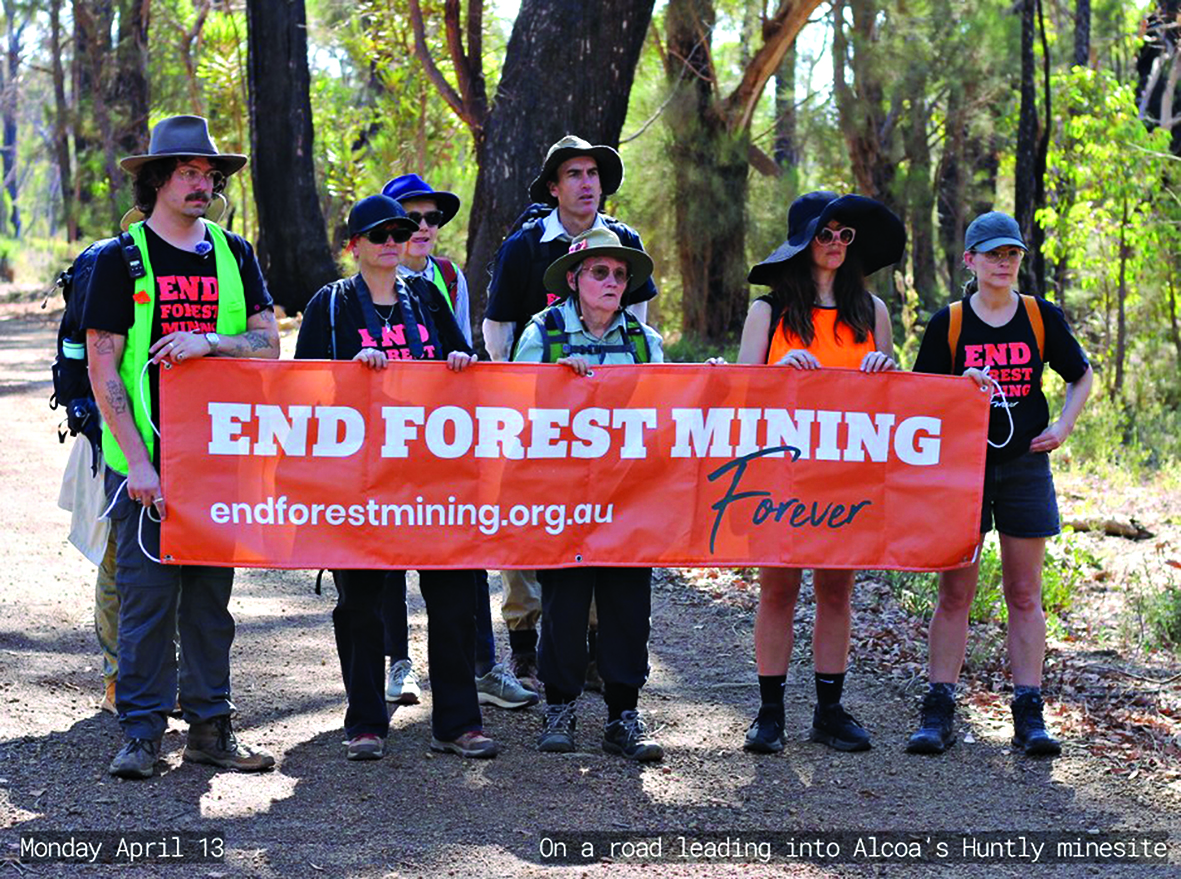
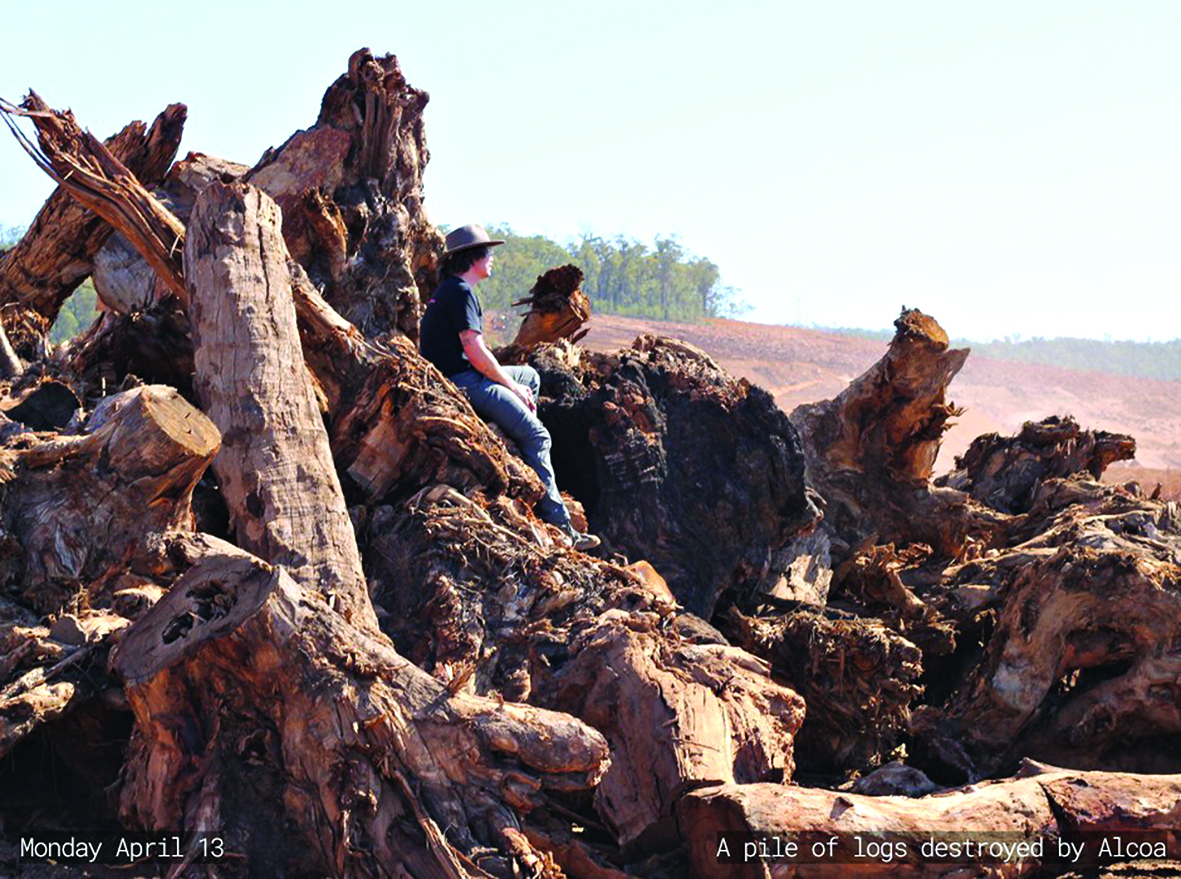
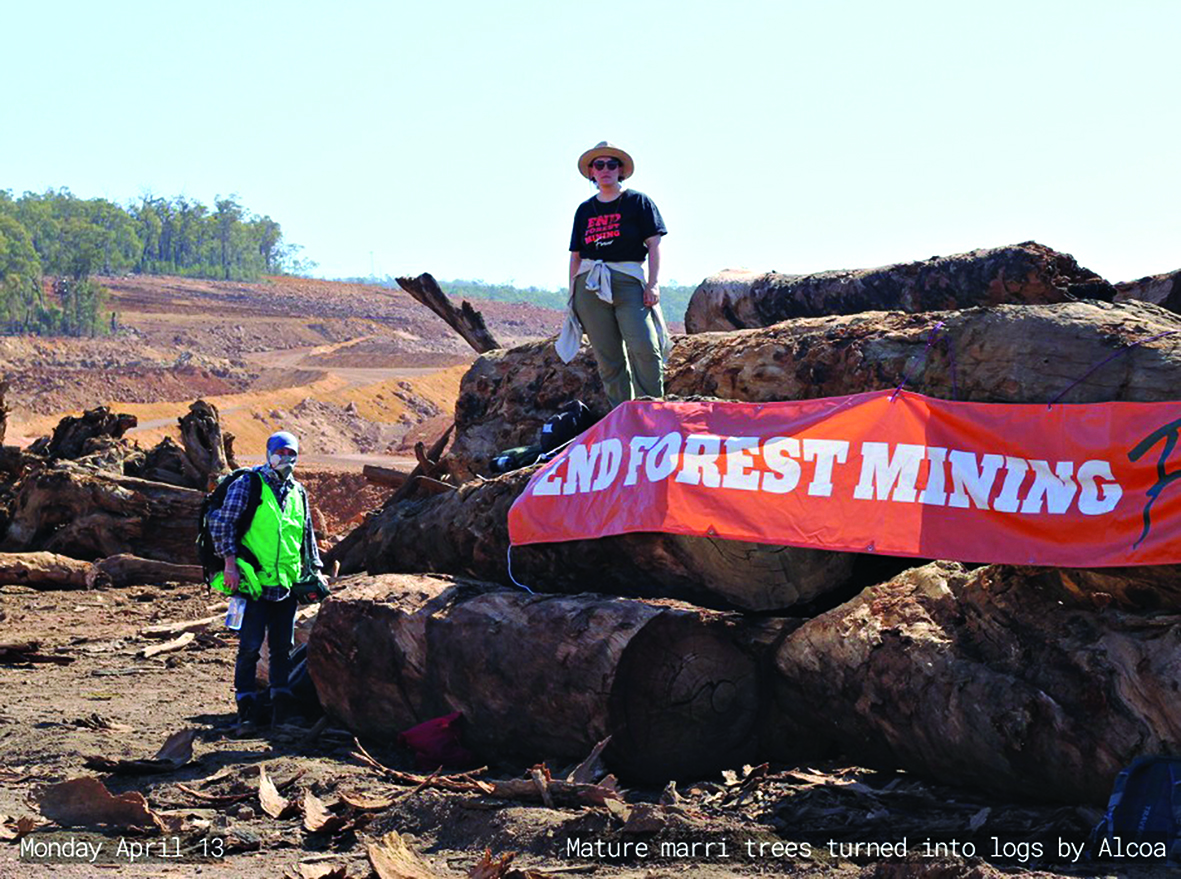
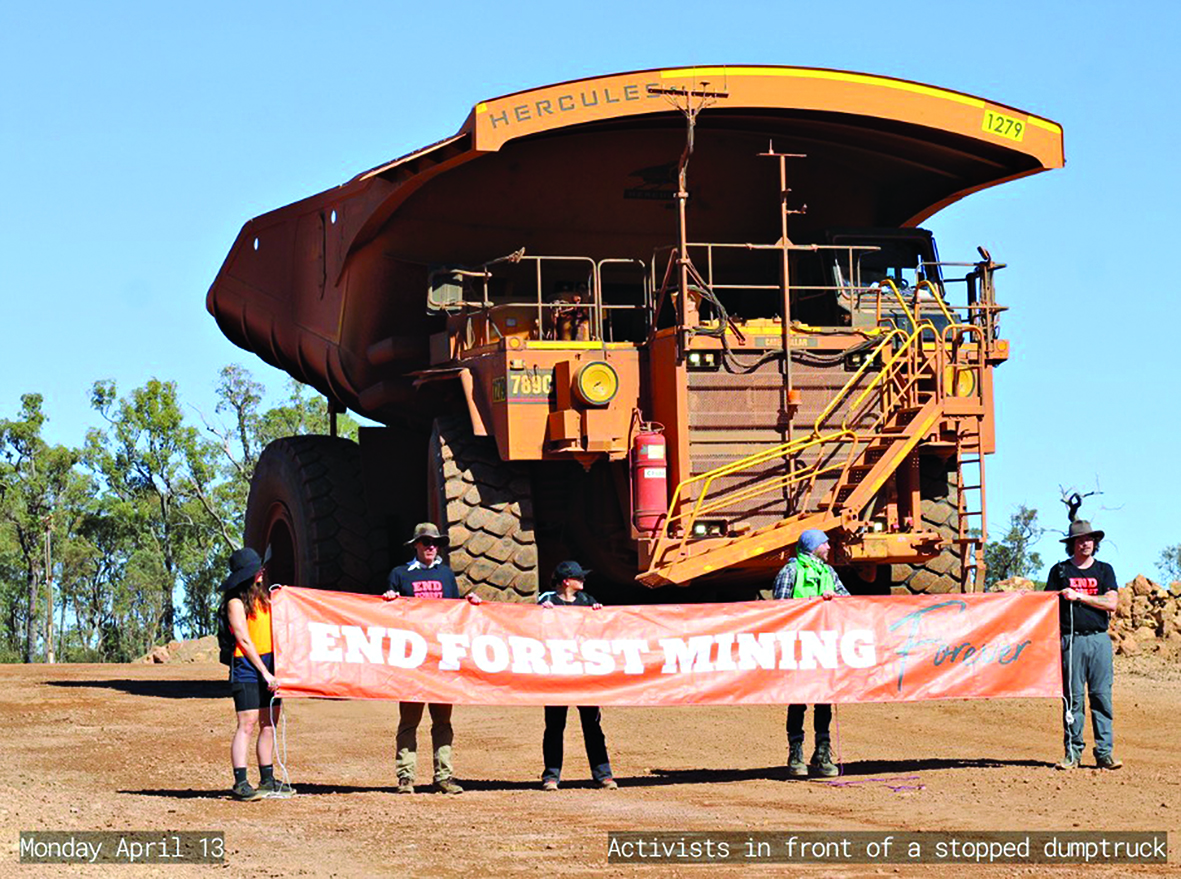
Conflict between Alcoa and the movement to end forest mining continues unabated, including an April 13th direct action by activists, the first of its kind since the 1970s, that stopped operations at the Huntly mine site for three hours.