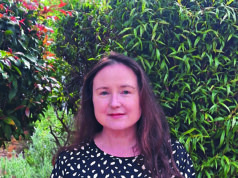

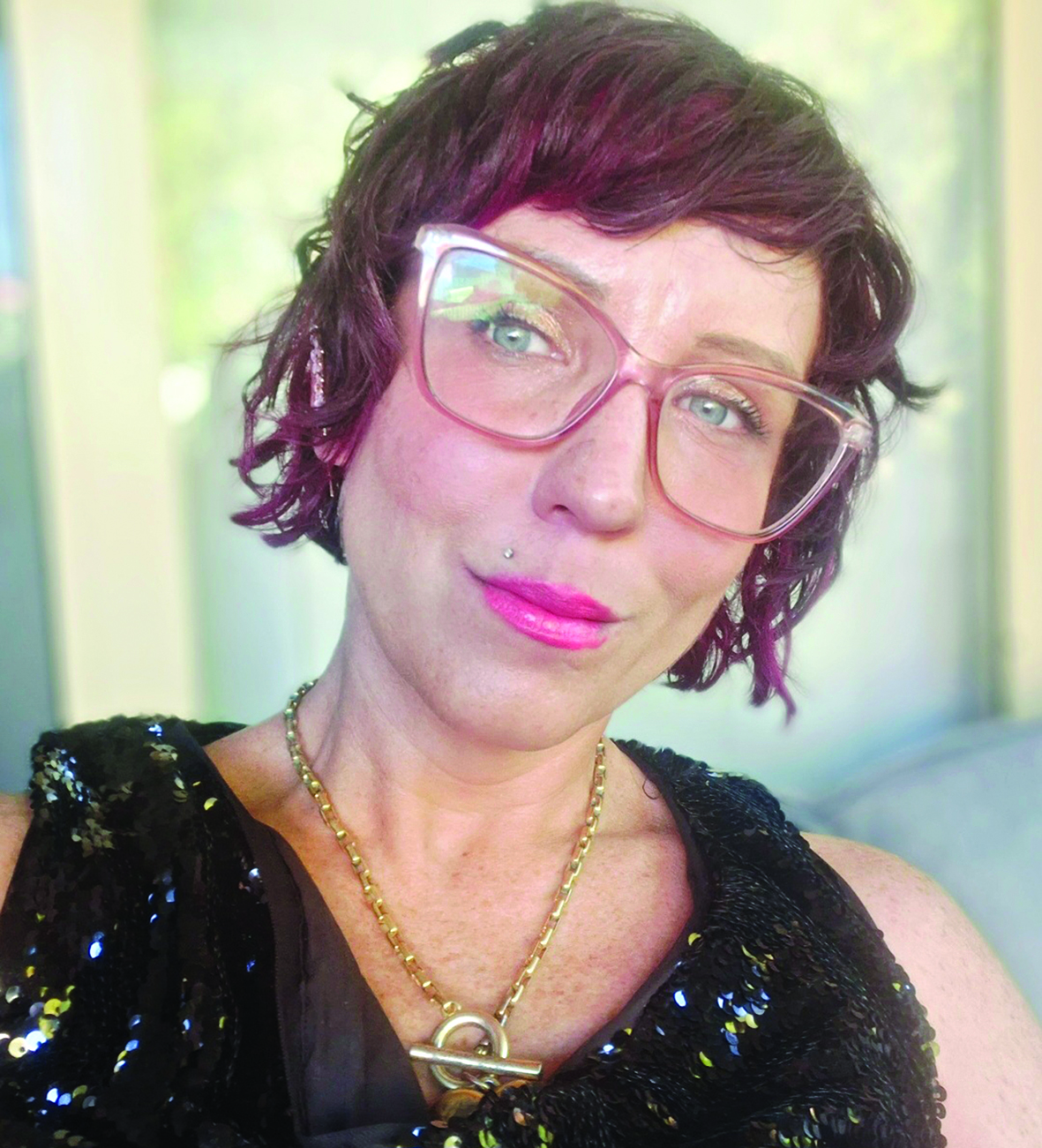
As Schizophrenia Awareness Week approaches, Huntingdale author Kate Purcell is speaking publicly about psychosis, stigma, recovery and rebuilding her life after being diagnosed with schizoaffective disorder in her mid-20s.
She said being diagnosed the disorder once left her frightened, isolated and struggling to recognise herself.
Fifteen years later, she said recovery is possible, and wants others living with severe mental illness to know they are more than a label.
Kate stated the first signs something was wrong with her mental health appeared in her early 20s after recreational drug use began affecting her emotionally and mentally.
“I started having panic attacks, was highly anxious in social situations and quite disconnected from my feelings,” she said.
“I remember thinking that if people could see my brain, they would think I am insane.”
Kate said things worsened when she was almost 25 and became highly psychotic.
“When you are psychotic though, you don’t actually have any insight,” she said. “You don’t see how unwell you actually are.”
She said she became highly delusional and eventually realised she needed help after her symptoms became overwhelming.
Kate moved out of the family home and in with relatives after tensions at home became difficult.
She said she became obsessed with signs, spirituality and angel cards, while also experiencing tactile hallucinations.
Eventually, she called her father and asked to go to a hospital.
After a two-week stay at Perth Clinic, Kate was diagnosed withs schizoaffective disorder and began medication.
She noted her symptoms have not returned in the same way since.
“After starting anti-psychotic medication, my brain chemistry is pretty much back to normal,” she said, adding that “it has been this way for 15 years.”
Kate said recovery involved much more than becoming mentally stable.
“I had hit rock bottom, so I needed to rebuild my life again,” she said.
“I pushed through my comfort zones every single day,” she added.
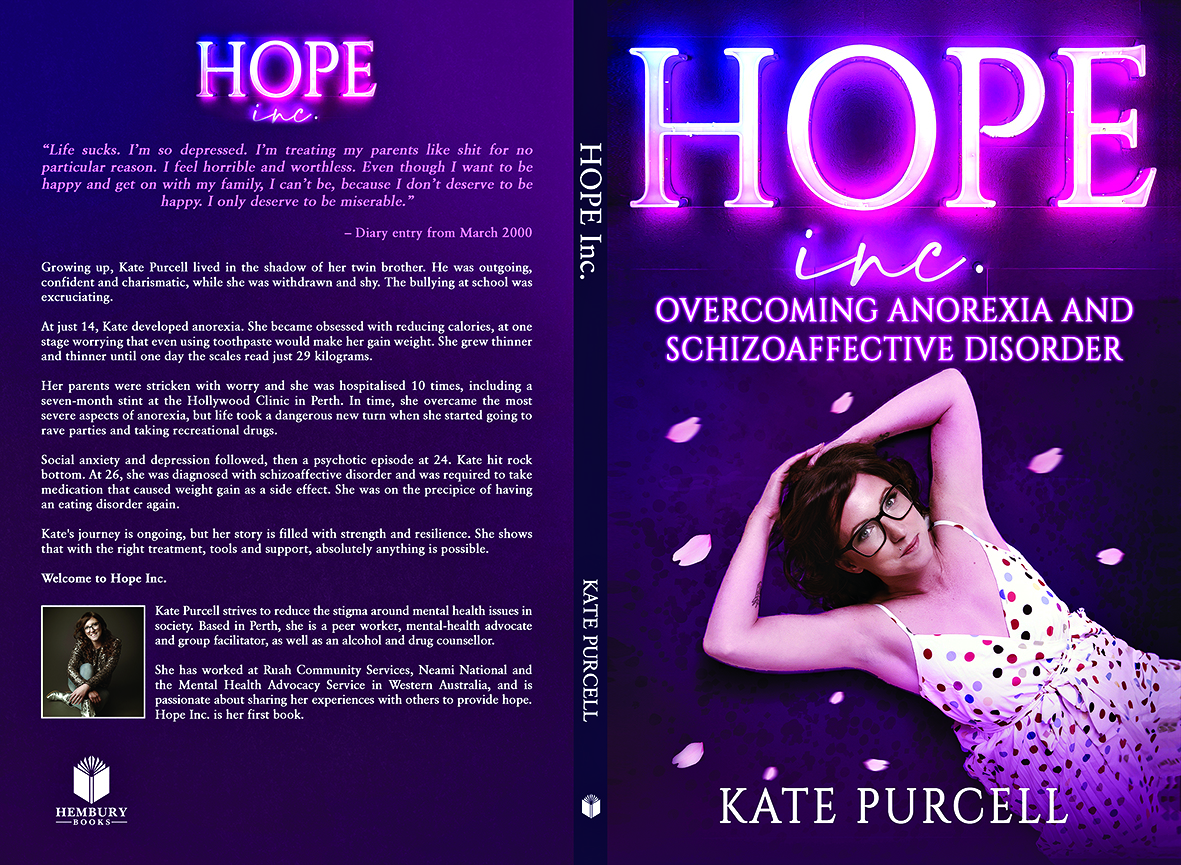
She started socialising again, worked in retail, later moved into mental health peer work, and eventually wrote her memoir ‘Hope Inc’.
Today, she still works in mental health, has published two books, and says she has built a life filled with balance, friendships and purpose.
“My life is incomparable now to what it was 15 years ago,” she said. “It is literally like night and day.”
Kate said reconnecting with who she was outside the diagnosis became one of the biggest parts of recovery.

“Knowing who you are, what you truly want your life to be, and what makes you happy,” she said.
“Your label should not get in the way of your goals and who you want to be as a person.”
Kate believes one of the biggest misconceptions around schizophrenia is the belief people with the condition are dangerous.
“People with a schizophrenia diagnosis are 14 times more likely to be the victims of abuse and violence rather than the perpetrators,” she said.
She said stigma can stop people from feeling empowered during recovery.
“What a person needs after they are given a diagnosis of schizophrenia is a focus on the other parts of themselves,” she said.
Kate said she still feels judged at times when people see the diagnosis before getting to know her.
“My GP told me to go on disability support pension and said I would never work again,” she said.
“I refused to let the diagnosis beat me.”
She said support from loved ones made a difference because they saw her beyond the illness.
“They are familiar with the Kate that is resilient, passionate, fun and above all else, kind,” she said.
Kate said there were times during recovery when hope was difficult to hold onto.
“I would simply lie on my bed and cry at the state my life was in,” she said.
But she kept reminding herself to “trust and have faith” and continued taking small steps forward.
She now wants others experiencing similar struggles to know recovery can happen.
“Believe in yourself,” she said. “You are stronger and more capable than you realise.”
Kate also wants families, workplaces and the wider community to see people living with schizophrenia and schizoaffective disorder as whole people rather than diagnoses.
“These people have families, hopes, dreams and passions,” she said. “Be kind. And forget the label.”
Kate recently shared her experiences in her memoir ‘Hope Inc’, which explores her journey through schizoaffective disorder and recovery. According to her, she decided to speak publicly in the hope of helping others feel less alone.