
A student living with a rare genetic condition is following her childhood dream of studying ancient life during a research visit to Curtin University.
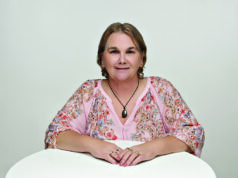
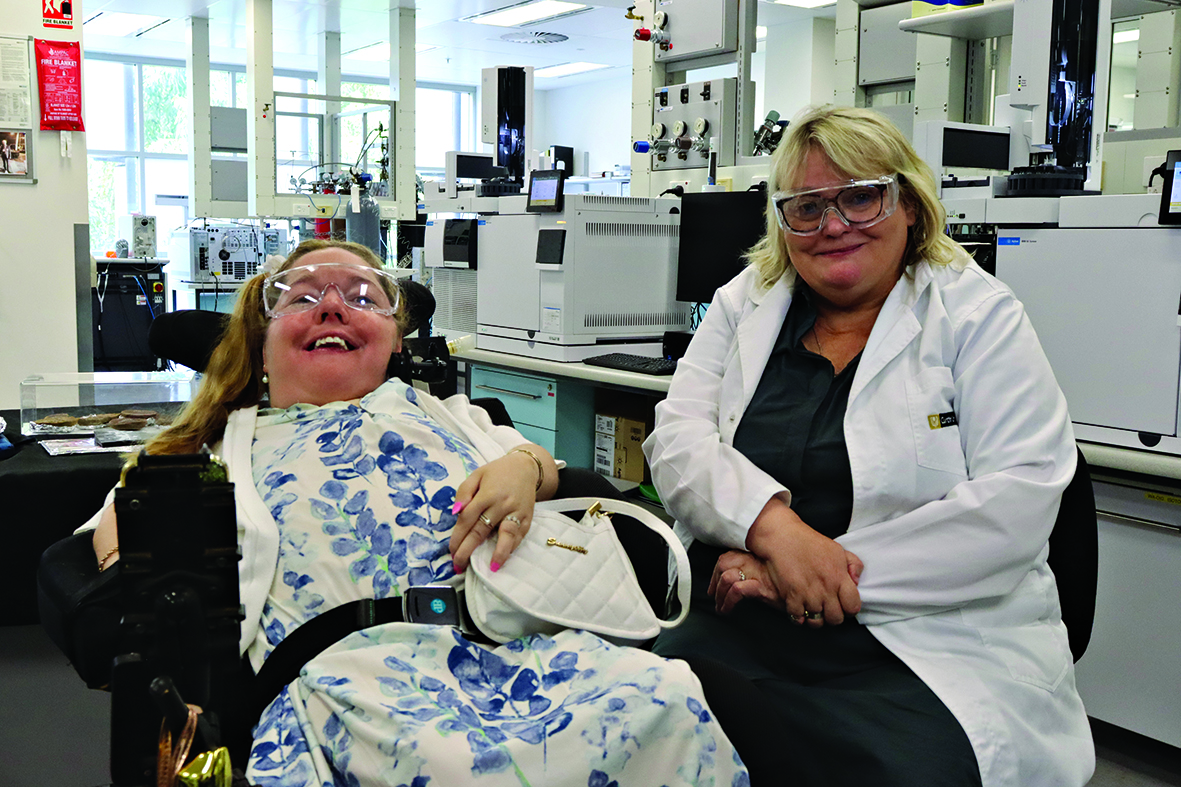
Master’s student Eleanor Beidatsch is spending time in Curtin laboratories examining a 520-million-year-old fossil from China, hoping it will reveal more about some of the earliest animals on Earth.
Ms Beidatsch, who lives in Mt Barker, has spinal muscular atrophy type 1, a condition that affects muscle movement.
She uses a wheelchair and has limited arm movement.
Despite this, she has pursued a career in palaeontology, the study of ancient life.
“I became interested in evolution as a child and was fascinated by how life has changed over time,” she said.
For much of her studies, Ms Beidatsch conducts research on a computer. The visit to Curtin has given her a rare chance to work with laboratory equipment connected to her field.
“Most of my research work is computer-based, but this opportunity at Curtin allows me to do laboratory work connected to my field for the first time,” she said.
Her work looks at the tiny chemical traces inside a fossil to understand the environment where the animal lived and how it was preserved.
Researchers hope the study will help answer questions about how complex animals first appeared on Earth.
Curtin researcher Professor Kliti Grice said fossils like the one being studied could help scientists understand how modern animals evolved.
“It’s like a puzzle piece from the dawn of complex life,” Professor Grice said.

“It shows us what early ancestors might have looked like and helps explain how the animals we see today gradually developed from much simpler beginnings.”
Professor Grice first met Ms Beidatsch at a palaeontology conference in Perth several years ago.
“We discovered a shared interest in exceptionally preserved fossils,” she said.
“She brings impressive knowledge, a strong sense of inquiry and real determination to her work.”
Ms Beidatsch said accessibility and technology played an important role in making research possible.
“Accessibility is an important consideration in research environments, and supportive technology helps make this work possible,” she said.
She also hopes her journey encourages others with disability to consider careers in science.
“My advice to young people with disability who are interested in STEM is to go for it,” she said.
“There will be challenges and people may discourage you, but if it’s something you want to do, you should pursue it.”