

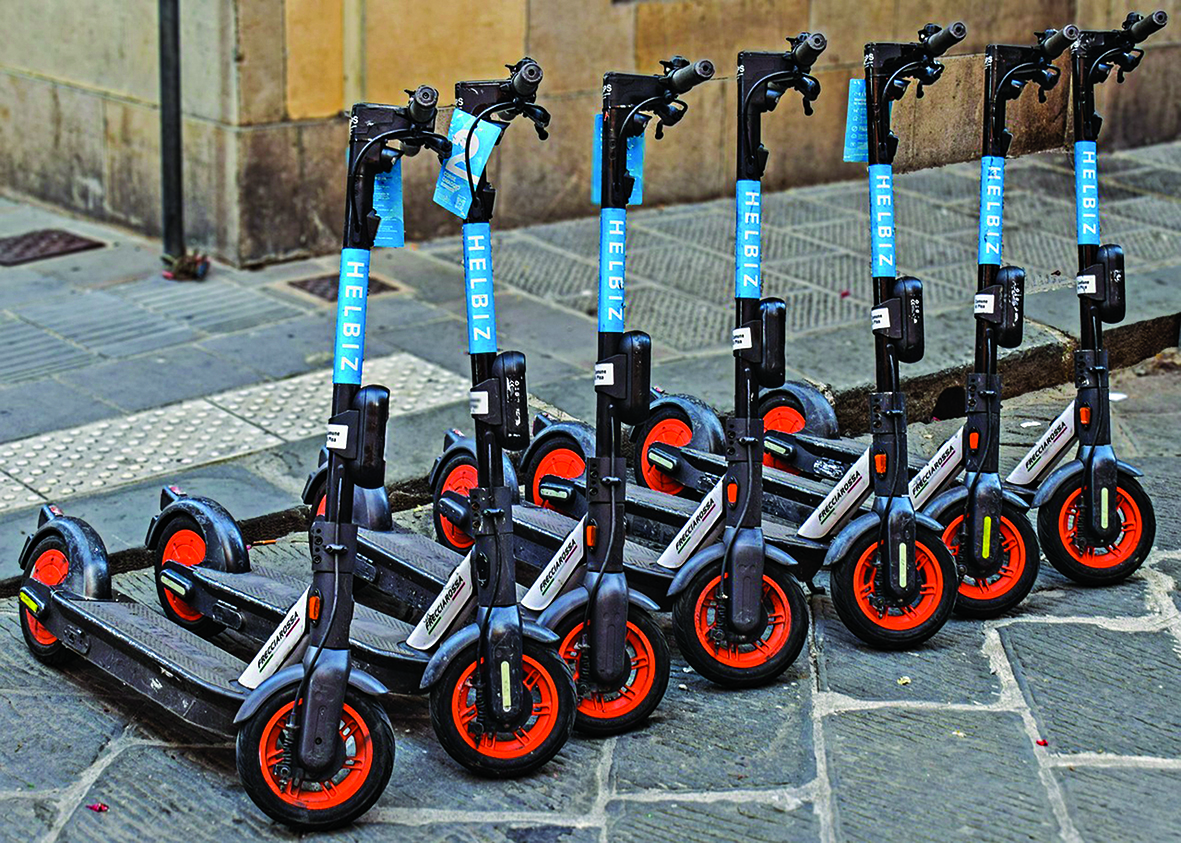
West Australian public-school students under the age of 16 are now banned from using or storing eRideables on school premises under a new law aimed at improving student safety.
Department of Education director general Jay Peckitt said the law took effect on February 2 and applied to all government schools across the state.
A Department of Education spokesperson said the move places student wellbeing at the forefront of school policy.
“The safety and wellbeing of students is always the Department of Education’s (DOE) priority,” the spokesperson said.
“The ban is in line with regulation 228 of the Road Traffic Code 2000, which prohibits young people under 16 years of age from using eRideables and eBikes with the motor engaged.”
The decision was made following growing concern about the increasing presence of powered devices in and around school environments, according to the department.
“We encourage students under 16 to use legal ways of getting to school such as walking, cycling while wearing helmets, or catching public transport, and ask that parents work with schools to comply with road safety laws,” the spokesperson said.
Examples of eRideables covered by the directive include eScooters, eSkateboards, hoverboards, eSkates and eUnicycles.

Principals also retain significant authority under section 63 of the Act, which gives them day-to-day control of school operations and responsibility for ensuring student safety and welfare on school grounds.
Regulation 70 of the School Education Regulations 2000 further allows principals to prohibit specific items from being brought onto school premises, provided the order is publicly displayed.
For students aged 16 and over, the decision to allow the storage or charging of eRideables or eBikes remains at the discretion of individual principals.
Schools have been provided with internal guidance through the department’s intranet system to help manage the new policy.
The DOE spokesperson said principals may confiscate a prohibited device and contact parents or carers to arrange collection and discuss alternative travel options.
The Department said the same confiscation procedures applied as with any other banned item.