
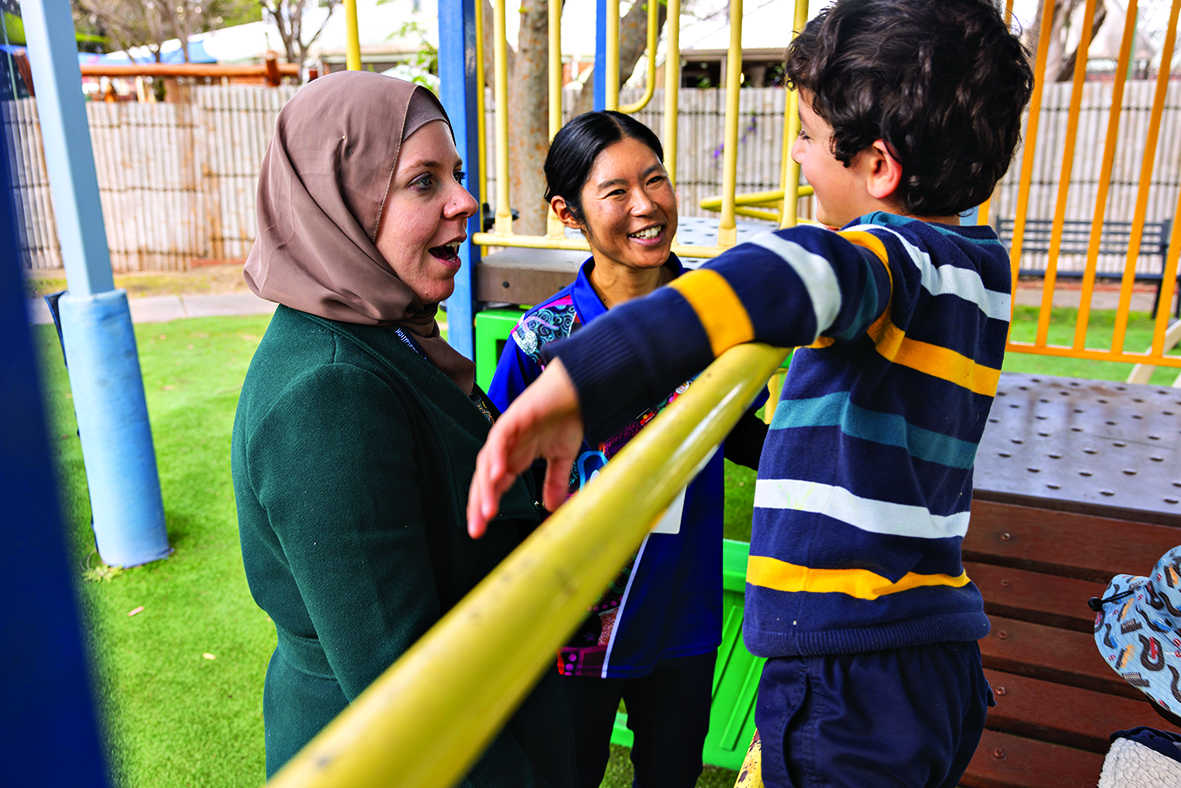
A free, home-based early learning program is helping families in Cannington build stronger relationships with their children while preparing them for the transition into kindergarten and school.
The Home Interaction Program for Parents and Youngsters (HIPPY), delivered locally by Communicare, supports families caring for children who are three years old at intake, offering a two-year program built around play-based learning at home.
HIPPY operates across Australia using the same model, delivered locally by community organisations. Communicare delivers the program in the south-east metro area, including Cannington, Gosnells, Armadale, among others.
Cannington HIPPY coordinator Nola said the program was making a real difference for both children and parents, particularly in culturally diverse communities.
“It’s life changing,” she said.
“When we do the survey at the end of the program to get feedback on how it’s helped the families, virtually every family says it has made them grow.
“Their relationship with their child has improved, and they’re much closer to their child at the end of the two years.”
Nola said one of the strongest outcomes was the bond that forms between parent and child through regular, structured learning time.
“Children become happy, confident learners,” she said.

“They just love that time with the parent.”
Supporting families from many backgrounds
Nola said families came from a wide range of backgrounds, with the program supporting parents who may be new to Australia and unfamiliar with how the education system works.
“Especially here in Cannington, it helps parents learn about the education system so that when their child goes into kindy and into pre-primary, they can help when they need it,” she said.
She said the program also supported families by linking them with services in the community.
“In HIPPY we link people with services… parenting programs or other community programs,” she said.
“We can help them with referral pathways.”
Communicare said the program played a key role in building early learning foundations while strengthening family engagement.
“The HIPPY program provides families with a strong foundation for early learning by delivering a curriculum aligned with the National Curriculum and the Early Years Learning Framework,” a Communicare spokesperson said.
“Through simple, play-based activities, children build the core skills they need to thrive in kindergarten, school and beyond.”
‘It’s really good for the parents as well’
Parent Betty said HIPPY brought more structure into her learning time with her child and helped her feel more organised and connected.
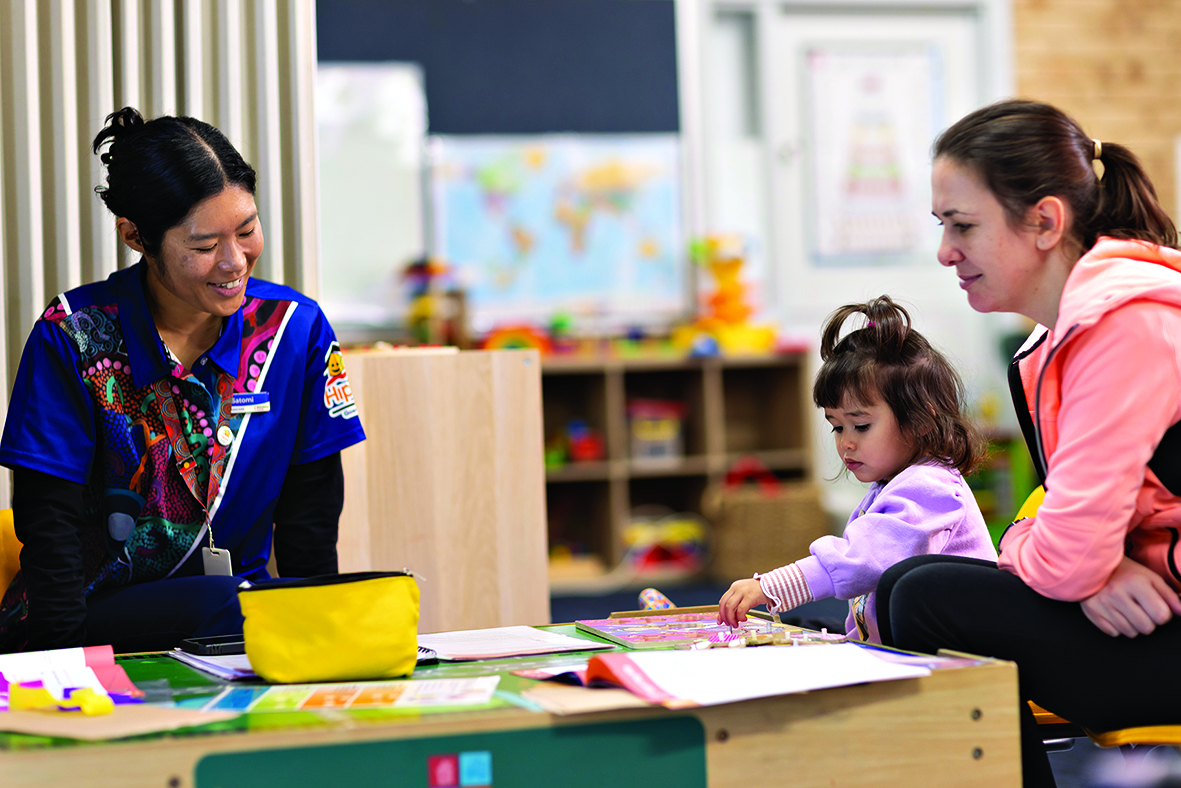
Before starting the program, she said things were less planned.
“We went to playgroups a lot, not as structured… as after we have started HIPPY,” she said.
Since joining, she said the difference was clear.
“We spend more time together,” she said.
“We do more planned, structured activities together.”
Betty said the program supported her parenting as well, not just her child’s development.
“Yes, absolutely,” she said.
“Before that, I would be just doing things randomly… not as organised.
“Then I became more organised… and more regular with her.”
She said the parent group meetings were also a positive part of the experience.
“It was nice to see people,” she said.
“It was like a socialising event for myself.”
Betty said she would recommend the program to other families and described the impact as extending beyond early learning.

“I definitely recommend it,” she said.
“It’s not only just helpful for your kids, it’s really good for the parents as well.”
After completing the program, she applied to become a mentor and said the pathway changed her perspective on what she could achieve.
“My total view of what I can do… has changed now,” she said.
“I feel definitely there are goals more approachable.”
Removing barriers to early learning
Communicare said keeping the program free was essential for families who may not have access to other early learning support.
“Ensuring HIPPY is free of charge removes financial barriers for families experiencing hardship or for those on bridging visas, who often face significant costs when accessing early childhood education,” the spokesperson said.
“All parents want the best start for their children, but many are unsure where to begin or unable to purchase learning resources.
“HIPPY provides high-quality educational materials at no cost.”
The program includes activity packs and materials designed to make it easier for families to build learning into daily routines. Armadale coordinator June Mader said families are provided with practical resources from the beginning.
“When they sign up and the very first activity book they get, the mentor goes out and actually takes out like a little plastic box with scissors, crayons, pencils, sharp and glue, paper, stickers,” she said.
How the program works
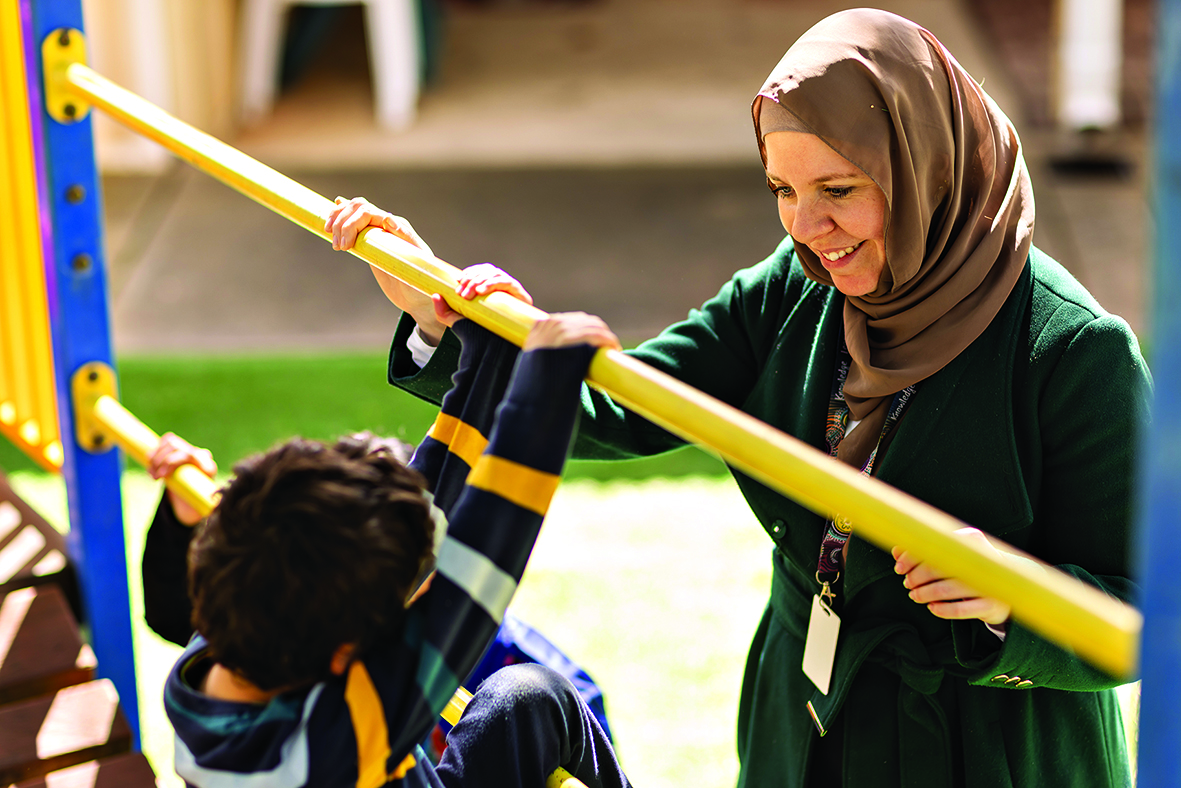
HIPPY is delivered through a structured model, with trained mentors supporting parents as they work through play-based activities with their child.
In Armadale, coordinator June Mader said the program was designed to help families learn through everyday moments, not formal “sit-down” lessons.
“It’s all play based at this age,” she said.
“Playing is extremely beneficial and learning for the children, a lot of parents think that you have to sit them down and say, ‘Let’s do maths’… kids don’t need to learn like that.”
She said the program teaches families how to build learning into everyday routines.
“We need to teach families how to educate with learning and playing,” she said.
June said mentors work through activity packs alongside parents, using role play to guide them through how to support their child’s learning at home.
“So, what happens is the mentor goes out with a new activity book every fortnight, and the second year every week,” she said.
“And takes an activity book and you sit with the parent, and you do each activity together.”
June said the approach also encourages children to learn without fear of getting things wrong.
“It’s not about kids getting it perfect. It’s about kids having a go,” she said.
“It’s about having a go and kids learning that making a mistake is okay, and next time they do it, they’ve got the skills to be able to carry on and give it another go.”
She said the program also helped families build connections with others in the community through regular sessions.
“They make connections like that,” she said.
“They might go out for a coffee date… the kids get on well, so the parents get on.”
Recruiting now for 2026
Nola said the program was currently recruiting families for the 2026 intake, with sessions expected to start from late February or early March.
Families can self-refer and find information through the Communicare website or the HIPPY Australia website.