
Western Australia’s first confirmed cases of H5 avian influenza, commonly known as bird flu, have put wildlife rehabilitation groups on alert, including the Kaarakin Black Cockatoo Conservation Centre in Martin.
The Australian Centre for Disease Control (CDC) and the WA Department of Primary Industries and Regional Development (DPIRD) confirmed that two seabirds found on the State’s south coast tested positive for H5 avian influenza.
Testing identified one of the birds as carrying the H5N1 strain that has spread through bird populations in many parts of the world.
Authorities say the risk to the public remains low. Bird flu rarely spreads to people and usually requires close contact with infected birds, animals or contaminated environments.
DPIRD has activated emergency response arrangements and is carrying out surveillance to determine whether the virus has spread beyond the two confirmed cases.
There have been no detections in poultry and no reports of large-scale wildlife deaths.
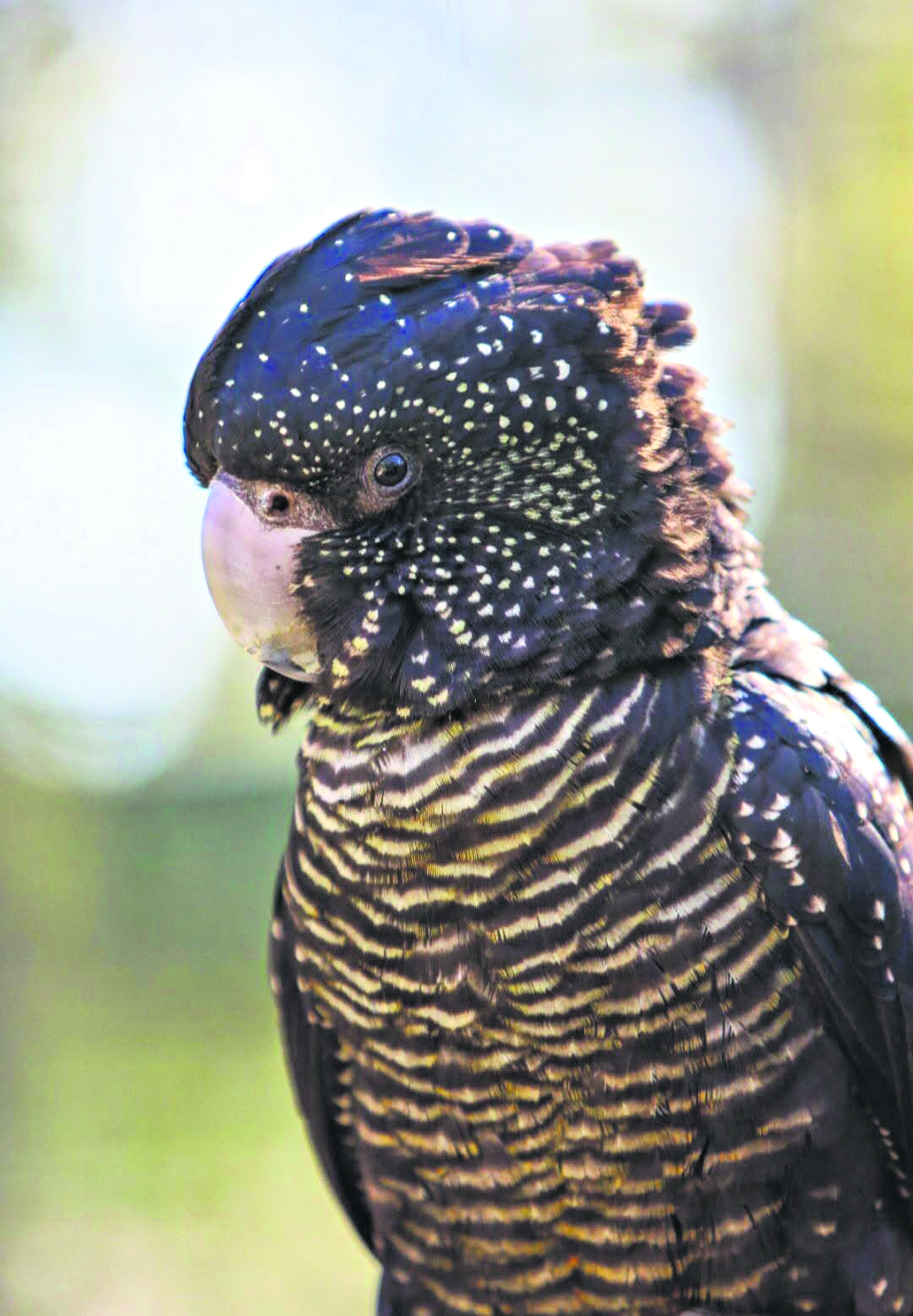
The detection has prompted concern among wildlife rehabilitation organisations across Western Australia, including Kaarakin Black Cockatoo Conservation Centre, which is Australia’s only organisation dedicated solely to the rescue, rehabilitation, conservation and release of black cockatoos.
Kaarakin said it remains open and continues to accept bird admissions, but warned the situation could change if the virus is detected in local wild bird populations.
In a statement, the centre said six of the State’s largest wildlife rehabilitation organisations had agreed they would stop accepting bird admissions if H5N1 becomes established among local wild birds.
The organisations include Kaarakin, Perth Wildlife Hospital, WA Wildlife, Kanyana Wildlife Rehabilitation Centre, Darling Range Wildlife Shelter and Mandurah Wildlife Rehabilitation Centre.

Kaarakin said the decision was based on health advice and concerns about protecting staff, volunteers and animals already undergoing rehabilitation.
The centre has also renewed calls for government support to strengthen biosecurity and treatment facilities, saying the virus poses a potential threat to Western Australia’s native bird populations, including endangered black cockatoos.
Meanwhile, DPIRD is urging the public not to touch sick or dead birds.
People who find sick or dead birds should avoid contact, record the location and details of what they have seen, and report it to the Emergency Animal Disease Hotline on 1800 675 888.
Bird owners have also been encouraged to strengthen biosecurity measures, including limiting contact between domestic and wild birds and reporting unusual illness or deaths immediately.
Authorities will continue surveillance and testing in the coming weeks as they work to determine whether the virus remains confined to isolated cases or has spread more broadly in wild bird populations.