
The City of Gosnells expects to release its proposed Data Centre Policy for community consultation later this year.
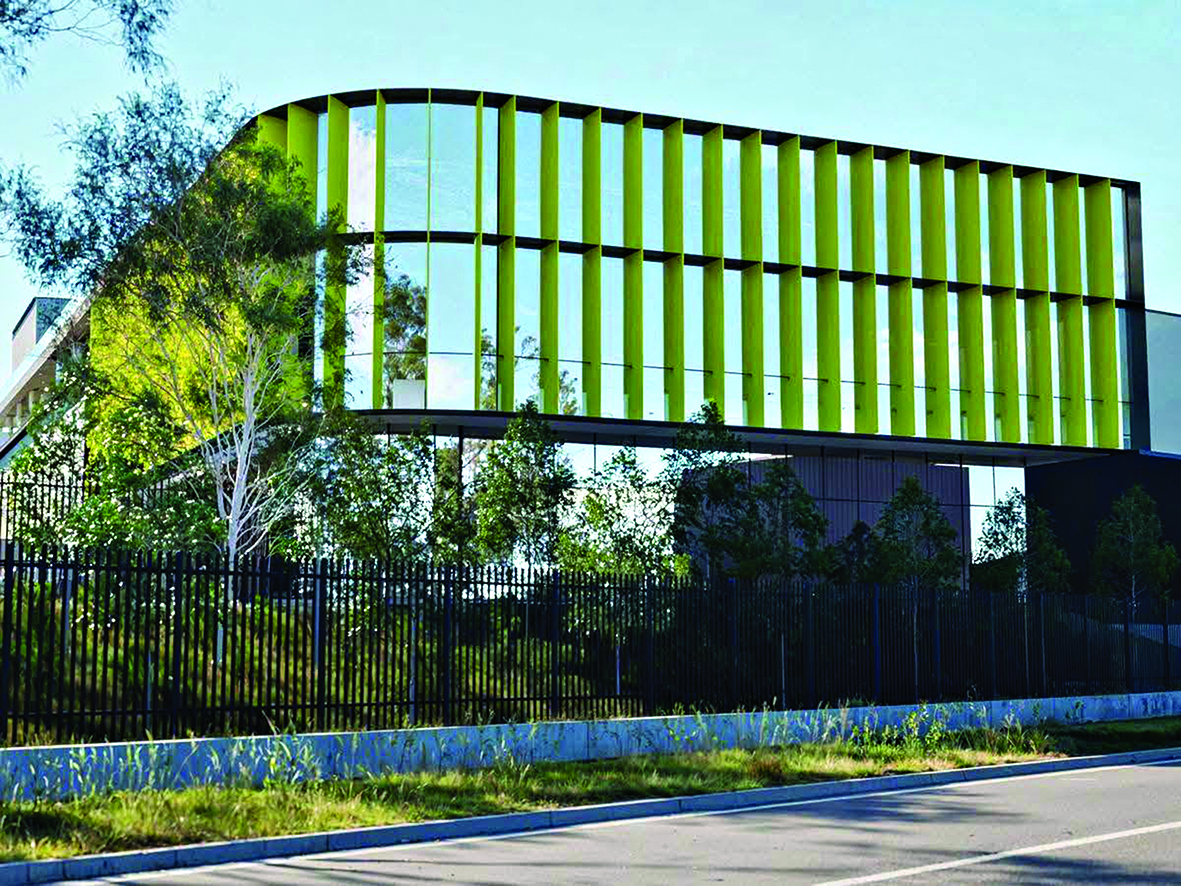
The policy will guide the assessment of future data centre proposals but cannot retrospectively change the existing approval for CDC Data Centres’ Maddington facility.
Deputy Mayor Serena Williamson said the City was preparing the policy as the number of data centres across Australia was expected to increase.
“To get ahead of the emerging trend, the City considers it appropriate to establish a clear policy to guide the assessment of future proposals for data centres within the City, to ensure future developments align with our community’s expectations,” she said.
Council has resolved that the policy should address energy efficiency, emissions, waste management, resource use, water conservation, noise and other planning or environmental matters.
The city said it had not received any enquiries or development proposals for additional data centres.
The application for CDC’s Maddington facility was determined and approved by a Development Assessment Panel after the City of Gosnells recommended that it be approved.
A Department of Planning, Lands and Heritage spokesperson said Development Assessment Panels provided an independent process for deciding significant development applications.
“Development Assessment Panels provide an independent decision-making process for significant development applications, with decisions informed by technical assessment, planning considerations and advice from local governments and relevant State agencies,” the spokesperson said.
“In this case, the City of Gosnells recommended the development be approved and the application was approved by the DAP subject to a range of conditions.”
Cr Williamson said three external planning experts reviewed the proposal, plans and reports on the appropriateness of the location and measures to reduce possible impacts on surrounding amenity.
“Council does not have the ability to retrospectively change existing development approvals, such as the CDC facility,” she said.
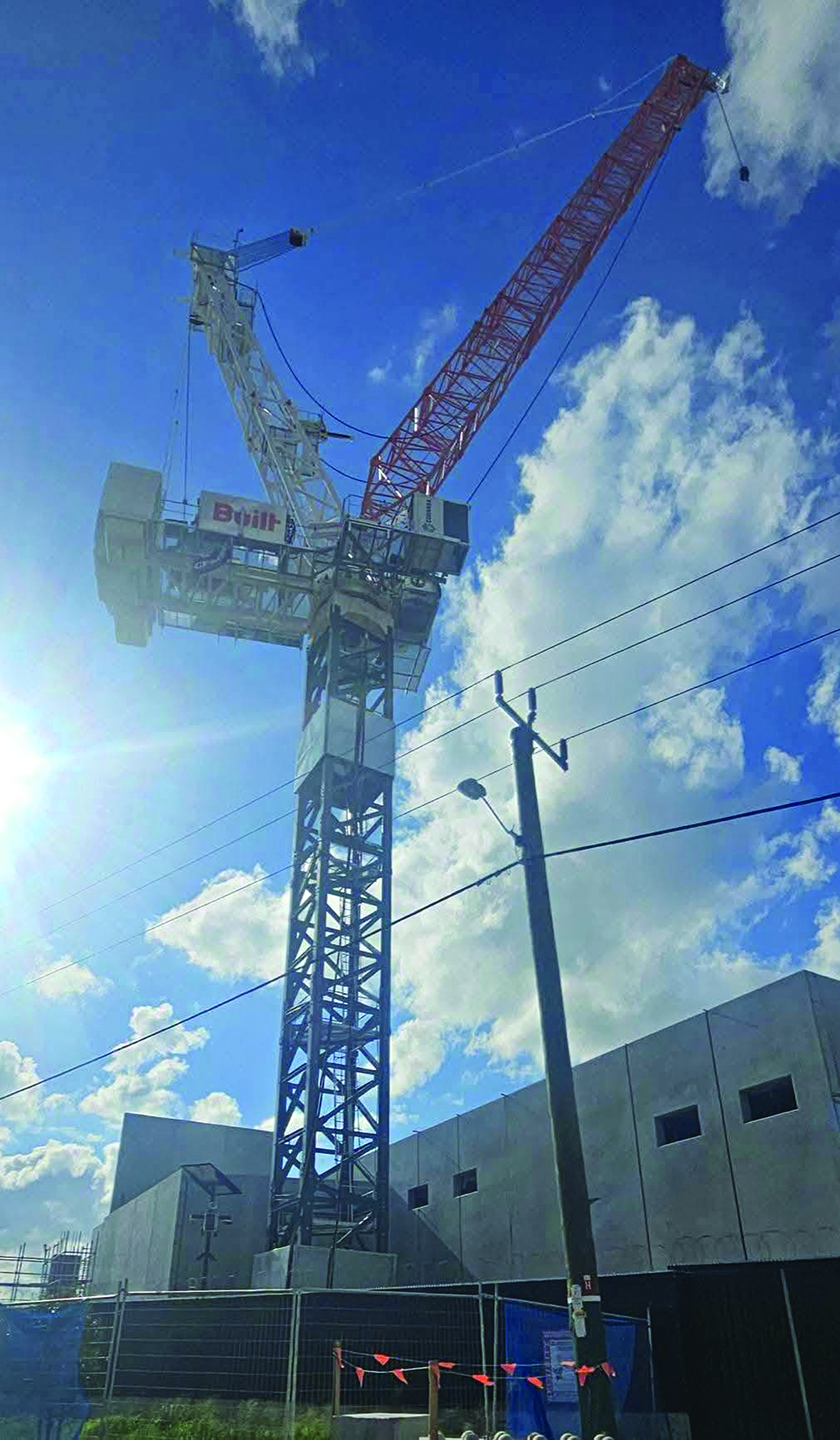
Residents responding to the policy announcement raised concerns about water and electricity use, noise, fire safety, environmental impacts and the facility’s proximity to homes.
CDC said the facility would use a sealed, closed-loop cooling system filled during construction, with the same water continuously recirculated.
“Unlike many conventional data centres that rely on evaporative cooling and require ongoing water consumption, CDC’s primary cooling system does not draw water from local supplies on an ongoing basis,” a CDC spokesperson said.
Water would still be required for amenities, landscaping and building management.
“A significant portion of this demand will be met through rainwater collected on site,” the spokesperson said.

CDC said the facility would connect to the electricity grid at transmission level and would not interact with the local network supplying homes and businesses.
“We only connect to the grid where there is enough spare capacity so we don’t compete with other users for power,” the spokesperson said.
The company would pay for and build the dedicated infrastructure needed for the transmission connection.
CDC said the Maddington site was in an area identified as bushfire prone and a Bushfire Management Plan had been completed as part of the approval process.
“The facility has been designed and constructed to meet all relevant bushfire management and building approval requirements,” the spokesperson said.
The centre would include several layers of fire detection, suppression and emergency response systems, supported by procedures and emergency management plans developed in consultation with relevant authorities.
CDC said noise-generating equipment would be positioned away from nearby residential areas, while acoustic treatments would be used to reduce possible impacts.
“Operational noise from the facility is expected to be comparable to typical suburban background noise levels for the closest residents and comparable to normal residential night-time background noise,” the spokesperson said.
Backup generators would not be used to power the centre during normal daily operations.
“They are not used to power the facility day-to-day and operate only for routine testing and in the unlikely event of a grid outage,” the spokesperson said.
CDC said it would continue to comply with statutory noise requirements and use ongoing monitoring and management measures to keep the facility within approved limits.
“We understand that residents may have questions about any major new development in their area and we believe those questions deserve clear and transparent answers,” the spokesperson said.
Once the facility begins operating, the city will be responsible for monitoring compliance with the planning approval conditions.
The city said it would work with the owner or operator if compliance issues were identified. It could consider enforcement action under its legislative powers if non-compliance continued.