
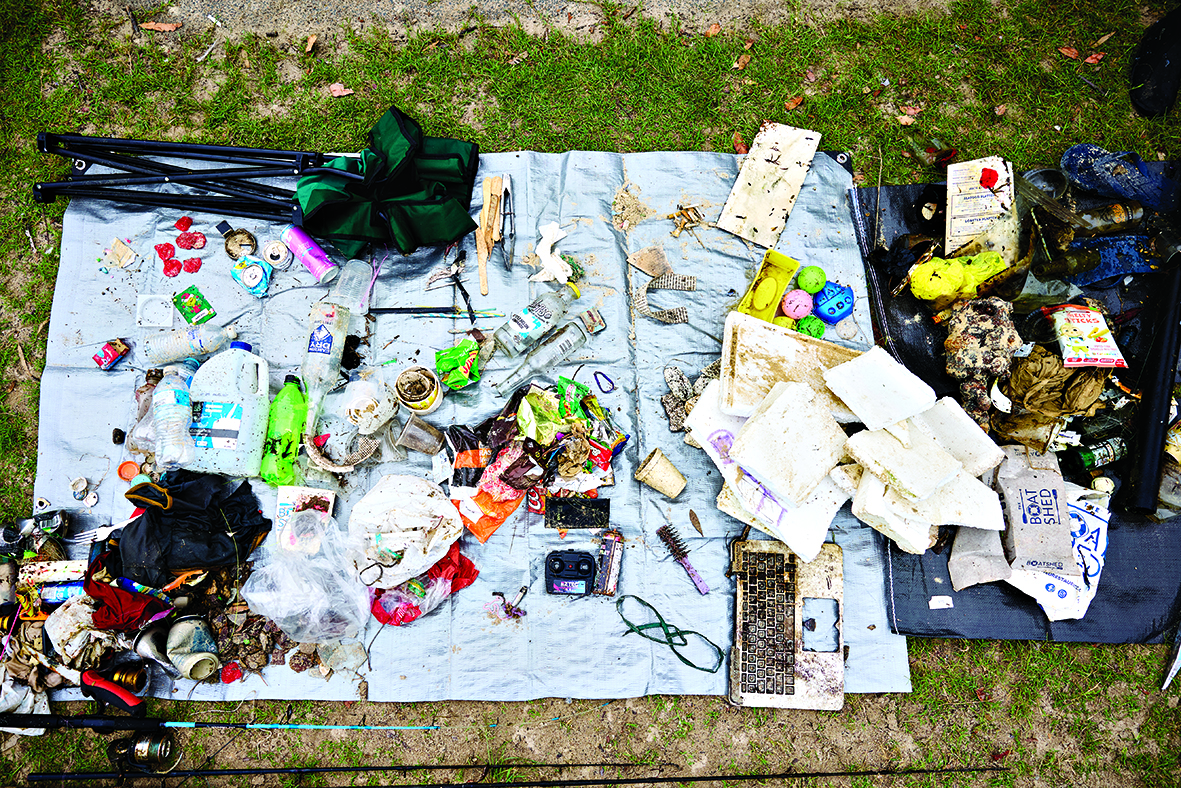
Plastic pollution continues to be a growing concern across Australia, and the City of Gosnells is seeing the effects locally through rising levels of litter and illegal dumping.
Figures from Clean Up Australia show plastic made up 47.3 percent of litter collected by volunteers in 1991.
Today, it accounts for more than 81 percent.
At the same time, the City of Gosnells has recorded a year-on-year increase in illegal dumping.
Acting chief executive officer Grant Bradbrook said litter and illegal dumping remained ongoing issues for local governments.
“Litter and illegal dumping are issues faced by local governments across Australia, and the City of Gosnells is no exception,” he said.
“While most residents dispose of their waste responsibly, litter and illegally dumped rubbish continue to impact public spaces and place pressure on the city’s resources.”
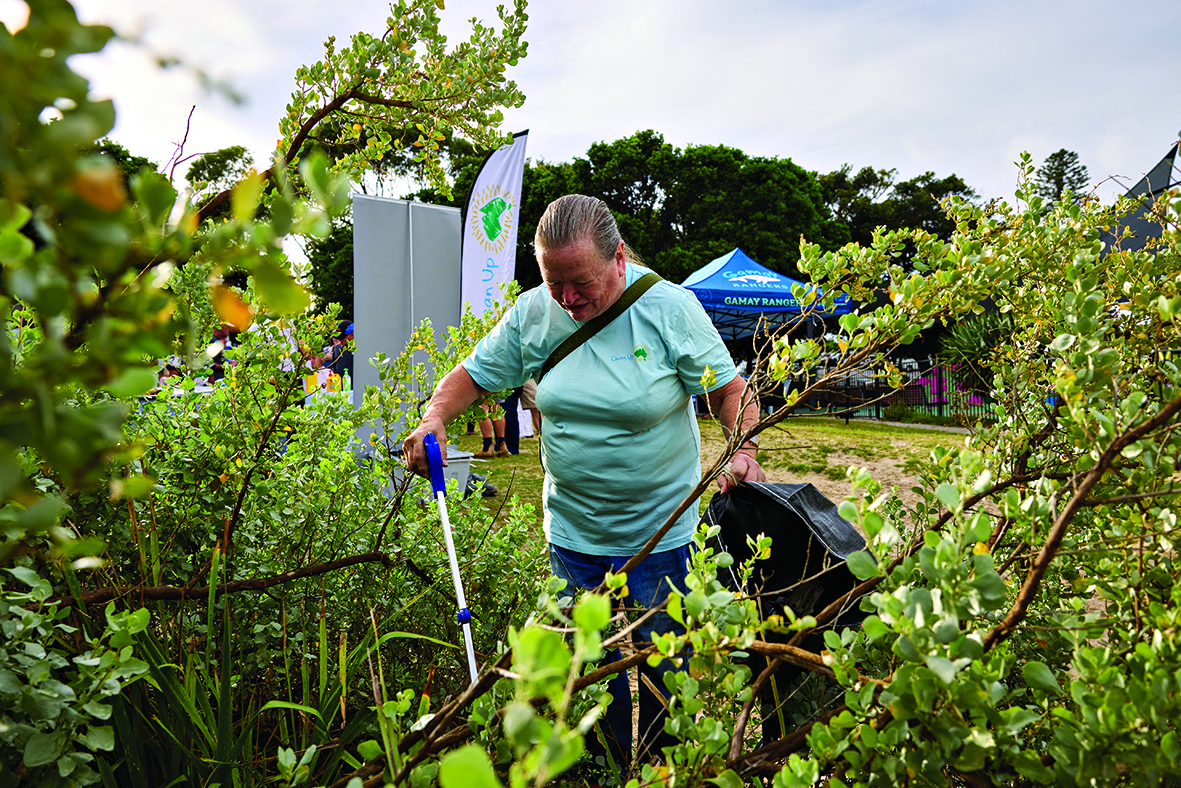
Mr Bradbrook said litter could be found in many areas used by the community, including nature reserves, walking trails, picnic areas, parks and sporting reserves.
Illegal dumping is more commonly reported on quieter rural roads near built-up suburban areas, with the city regularly monitoring known hotspots.
Between July 2025 and the end of March 2026, the city collected 4,109 tonnes of bulk waste, an increase of 11.6 percent compared with the same period the previous financial year.
That total included 6,081 mattresses, up 18.3 percent on the previous year.
Mr Bradbrook said illegal dumping had contributed to the increase.
“The city has already prosecuted a record number of people for illegal dumping this year with a further 28 cases caught on covert cameras that are currently being investigated,” he said.
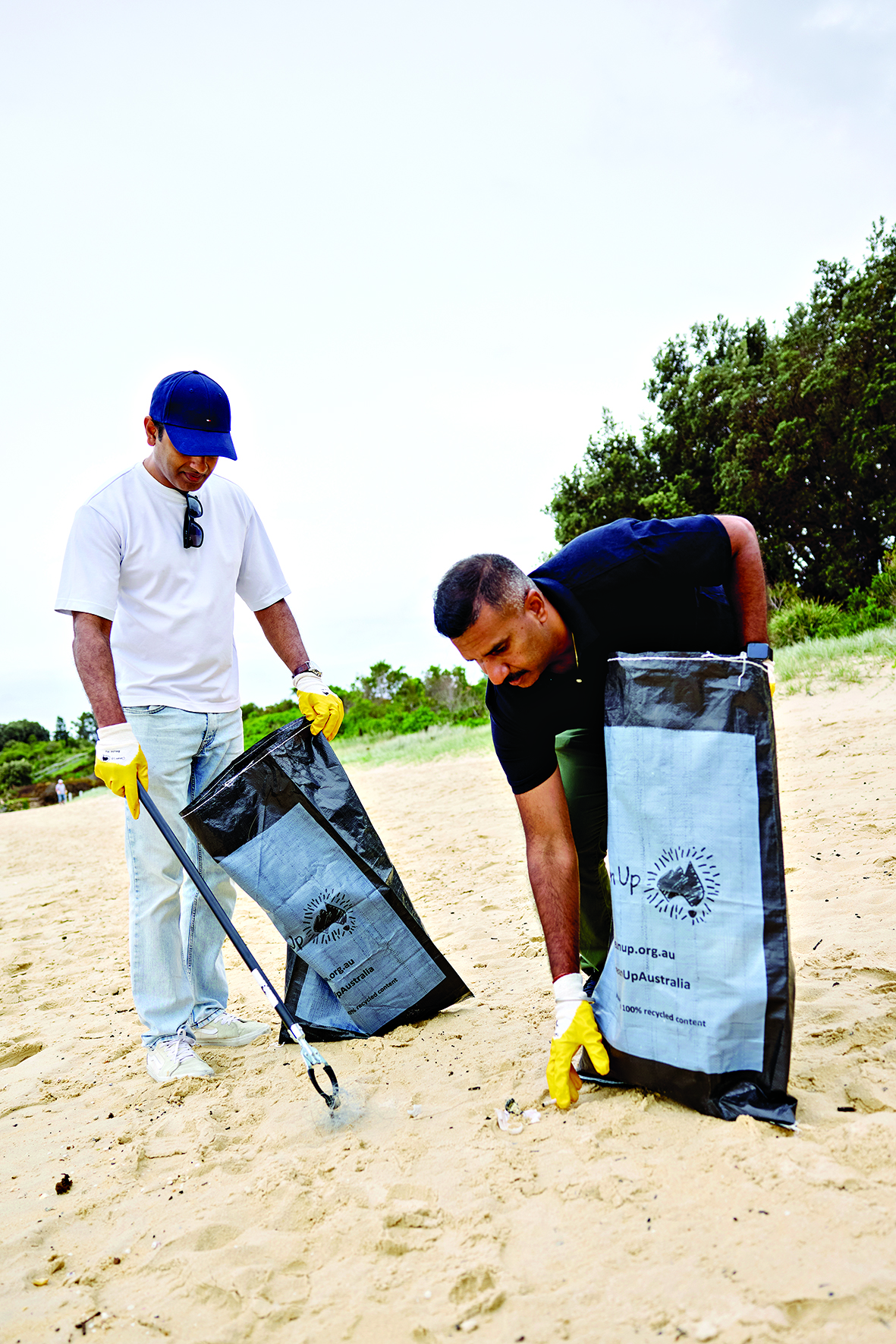
Clean Up Australia chair Pip Kiernan said the increase in plastic litter reflected changes in consumption habits over the past generation.
“This is a staggering increase, to consider that in a single generation plastic has become our primary litter problem,” she said.

“It is a reflection of the sheer volume of plastic packaging that surrounds us in our day-to-day lives.”
According to Clean Up Australia, Australia consumed 1.79 million tonnes of plastic in 2000. By 2024, that figure had risen to 3.97 million tonnes.
Ms Kiernan said recycling rates had not kept pace with growing plastic consumption.
“With increasing plastic production and increasing plastic consumption, and stagnated plastic recycling rates, more and more plastic waste is being found in the environment as litter,” she said.
“Proportionally, plastic litter now dominates all the other material types.”
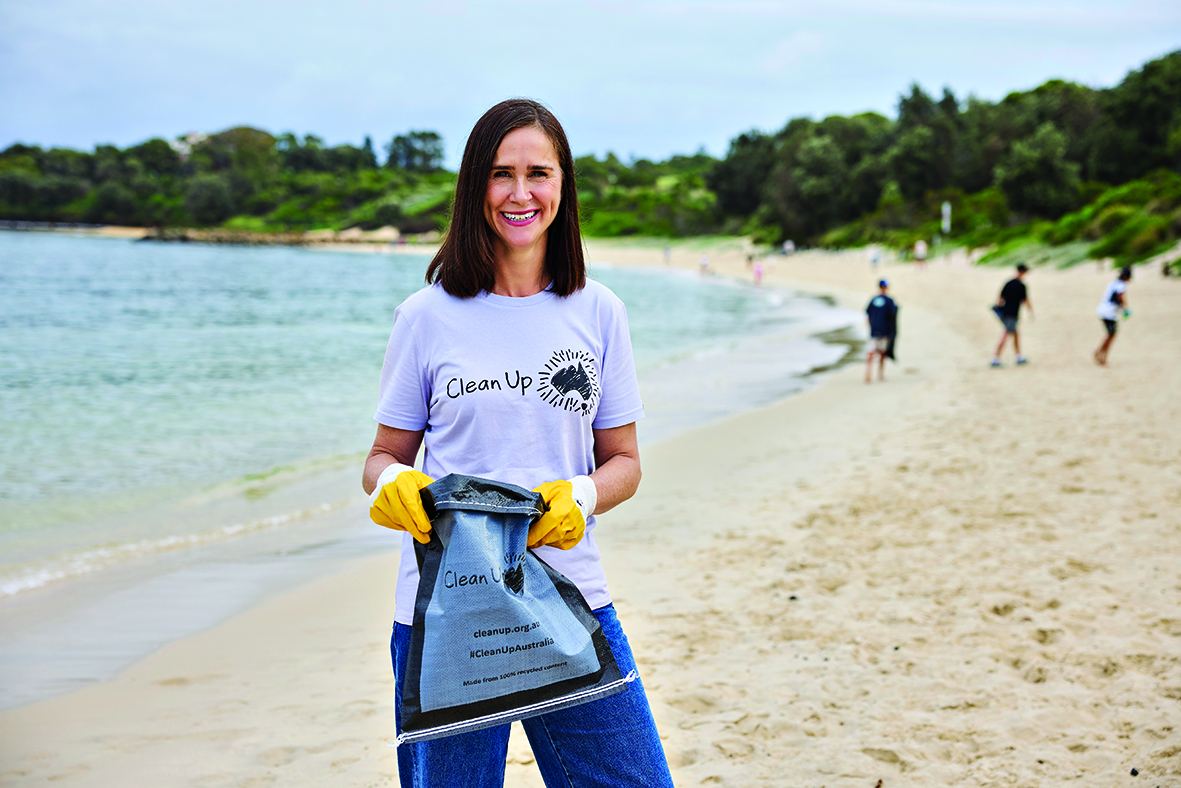
Clean Up Australia’s latest litter report found cigarette butts were the most commonly collected litter item, making up 23.6 percent of all counted litter. Soft plastic wrappers were the second most common item at 18.6 percent, followed by plastic bags at 8.7 percent.
Western Australia stood out in one area, with plastic bottle caps accounting for 2.6 percent of all counted litter and appearing in the state’s top 10 litter items.
Mr Bradbrook said plastic waste could harm wildlife, spoil public spaces and contribute to blockages in waterways and drainage systems.
The city is targeting illegal dumping through covert CCTV cameras, barriers and signage at known hotspot locations. Staff also carry out clean-ups in bushland and sporting reserves and work with local Friends groups to help care for natural areas.
Residents are encouraged to dispose of waste correctly, recycle where possible and report illegal dumping.
Anyone who witnesses illegal dumping is encouraged to note vehicle details and report the incident to the City of Gosnells.