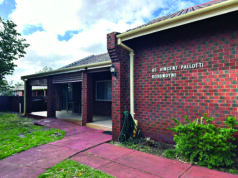

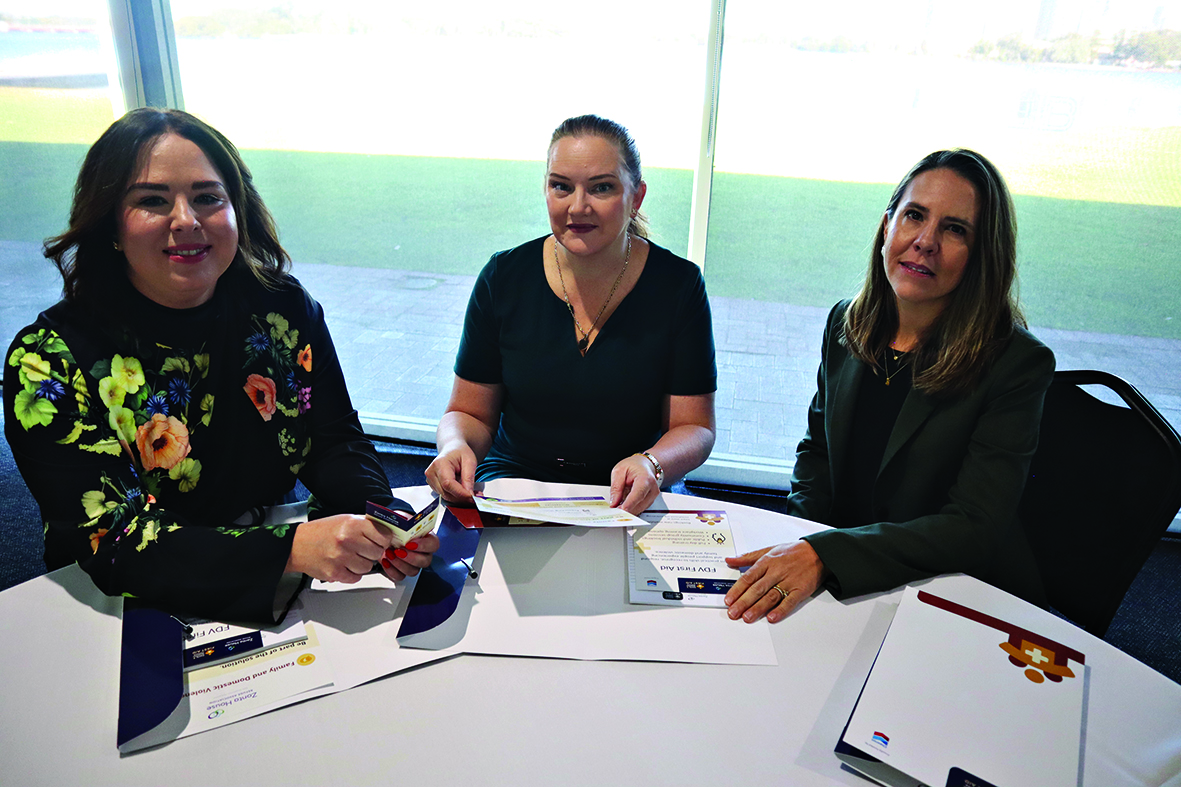
A Willetton-based family and domestic violence service has launched a new training program to help people recognise signs of abuse and respond safely when someone seeks support.
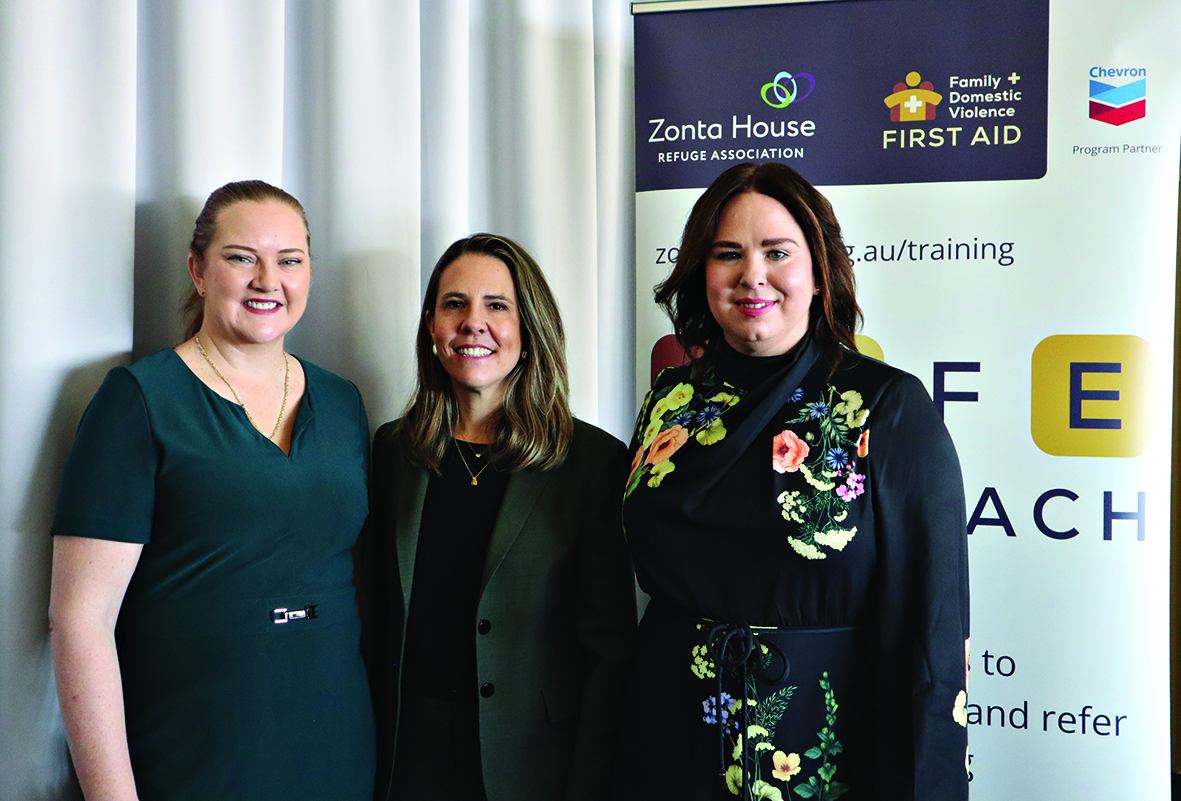
Zonta House Refuge Association recently introduced its Family and Domestic Violence (FDV) First Aid course, a one-day program designed to give community members practical skills to identify family and domestic violence and connect people with appropriate support.
The launch comes as family and domestic violence continues to affect many Australians. According to figures cited by Zonta House, 30 women and 11 children have allegedly been killed by a current or former intimate partner in Australia so far this year.
Zonta House chief executive officer Kelda Oppermann said feedback from victim-survivors highlighted how important the response of friends, relatives, colleagues and neighbours could be.
“Victim-survivors tell us that the response they receive from people around them can make a huge difference, and either be empowering or harmful, even when being well-intended,” she said.
“We know victim-survivors who have support are more likely to access assistance from services like Zonta House.”
Ms Oppermann said many people experiencing violence remained unseen and unsupported, particularly before abuse escalated to the point where specialist services became involved.
“By equipping people with the knowledge and confidence to recognise the signs of family and domestic violence, respond safely and respectfully, victim-survivors may be able to connect to support and safety earlier,” she said.
She said one of the biggest challenges was that many people wanted to help but were unsure how to respond.
“The most common mistakes come from a place of care, but without the right understanding of coercive control and safety,” Ms Oppermann said.
She said questions such as “why don’t you just leave?” could unintentionally place blame on the victim-survivor while overlooking the risks associated with leaving an abusive relationship.

Other common responses included pushing someone to disclose information before they were ready or attempting to “rescue” them, which could reduce their sense of control and increase isolation.
“FDV First Aid shifts the focus from ‘fixing’ the situation to listening without judgement, prioritising safety, and respecting the person’s autonomy and choices,” Ms Oppermann said.
She said friends, family members and community members were often the first people to notice warning signs or hear a disclosure from someone experiencing abuse.
“Having FDV First Aid skills is essential to offer potentially lifesaving support to a victim-survivor before they can be connected to professional and specialised support services,” she said.
The course is open to adults aged 18 and over and does not require previous training or experience.
Ms Oppermann said the long-term goal was to increase awareness across the broader community.
“We would like to see everyone in our community empowered with this knowledge,” she said.
“Our broader vision is to create a ripple effect, where those trained not only feel confident to respond, but also influence safer, more informed cultures within their organisations and communities.”