
Older migrants in Perth’s southern suburbs are facing hidden barriers as they try to access aged care. This comes as new research reveals how language, culture and the complexity of the system can make support difficult to navigate, even when help is available.
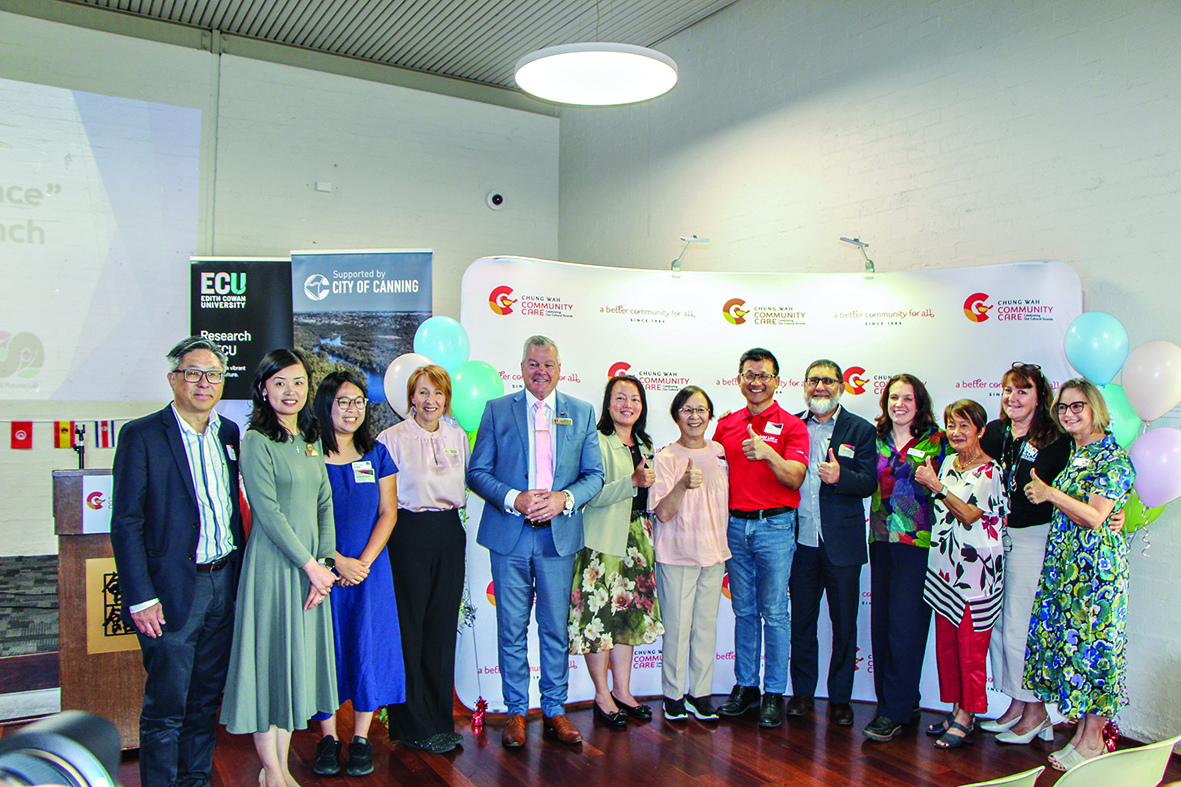
The ‘Migrant Care Experience’ research project, launched on last month at the Willetton Community Hub, was delivered by Chung Wah Community Care (CWCC) in partnership with Edith Cowan University (ECU).
The study looked at the experiences of older migrants and their families as they age in Australia and try to work their way through a system that can already be confusing for many people.
However, for seniors from culturally and linguistically diverse backgrounds, CWCC said the challenge is, most times, more than the surface level and also more isolating.
“Language barriers represent the most significant challenge, with only 7.6 percent of participants demonstrating English fluency, severely limiting their ability to access information, participate in care planning, and use online services,” CWCC said.
CWCC said many older migrants can also feel their culture isn’t fully understood in mainstream aged care settings. For instance, food, customs, and family roles and expectations around caring for elders.
The organisation said this can affect more than just communication, it can influence a person’s dignity, independence and sense of belonging.
“Language barriers directly undermine older adults’ autonomy and choice, forcing them to rely on family members for translation in care decisions, thereby losing direct control over their own care plans,” CWCC said.
It also added that when culturally aligned services are missing, seniors may feel forced to compromise on what matters most to them.
“Cultural misunderstandings or the absence of culturally aligned services may force seniors to compromise on their dietary, social, or spiritual needs, undermining their dignity,” CWCC said.
Another challenge, CWCC said, is that aged care is difficult to navigate without confidence online.
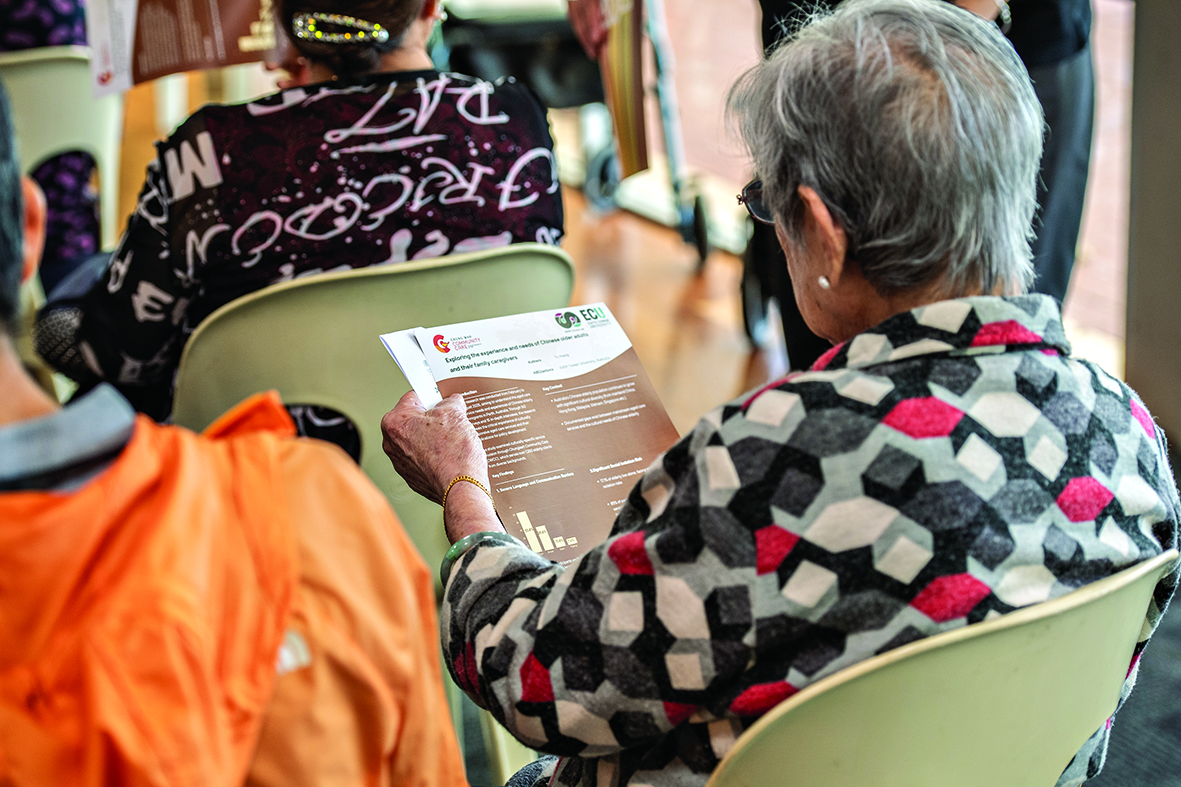
It said many older migrants face a digital divide and struggle to access services independently, particularly within the consumer-directed care reform framework.
While the research highlighted the barriers, it also pointed to what works.
CWCC said culturally responsive care can help seniors rebuild their confidence, stay connected, and feel at home in the community again.
“The research highlighted the remarkable resilience and agency of older migrants in rebuilding a sense of belonging through community care,” CWCC said.
The study also found trust between generations.
“All family caregivers surveyed (100 percent) expressed willingness to use Chung Wah Community Care services for themselves in the future, reflecting strong intergenerational trust and cultural continuity,” CWCC said.
CWCC said its services help bridge the gap by offering support in multiple languages, including Mandarin, Cantonese and Vietnamese, and running programs designed around cultural needs and family dynamics.
The organisation said community connection plays a major role in how seniors find help, with 85 percent of participants learning about services through social networks.

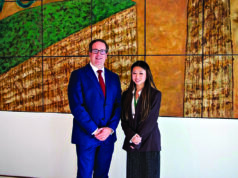
Federal Member for Tangney Sam Lim said the research gave a clear picture of what older migrants and their families are dealing with.
“What stood out most was the resilience of older migrants and their families in navigating a complex system while actively working to preserve and pass on their cultures and values to the next generations,” Mr Lim said.
“Their stories brought the findings to life and the importance of culturally appropriate services.”
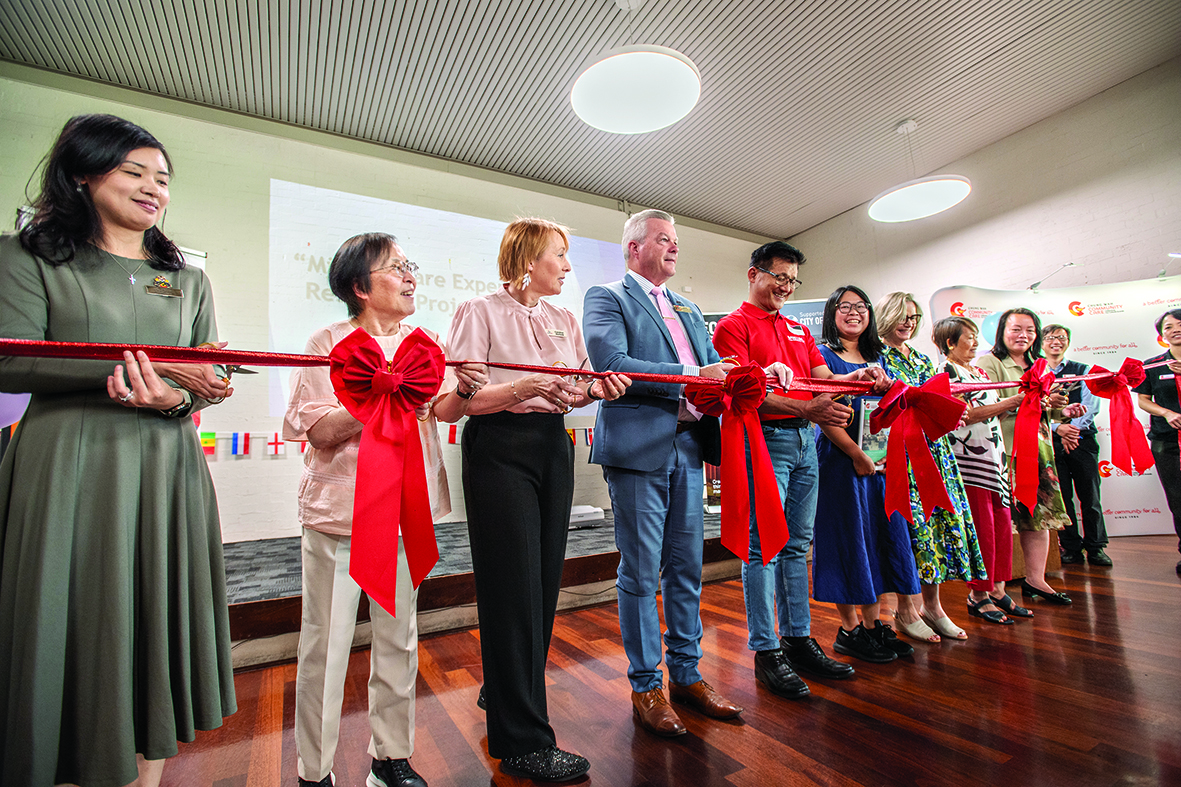
Mr Lim said listening to lived experience was essential, because it revealed what statistics could not.
“Listening to the lived experiences of older migrants and their families provides insights that cannot be captured by statistics alone,” he said.
“It reveals challenges and gaps in service delivery and highlights what is working along with new opportunities to deliver meaningful culturally appropriate care.”
He said he wanted local seniors and families to feel heard.
“I want seniors and families in Tangney to know that their experiences are seen, valued and directly informs policy and service development and that the Federal Government is listening,” Mr Lim said.
He encouraged families to keep speaking up.

“I encourage all families, including migrant families, to continue to share their stories and to advocate for services that respect their languages, cultures and family values,” he said.
“Our diverse Tangney community’s voices matter and can help ensure our aged care services evolve to meet the needs of Australia’s diverse communities.”
CWCC said the research showed the aged care system needs to do more to meet the needs of multicultural seniors, including expanding bilingual and multilingual services, improving access to interpreters, and ensuring staff are culturally knowledgeable.
It said families also need practical support, including respite, transport, and culturally tailored guidance to reduce caregiver burden.
CWCC said key partnerships between specialised organisations and mainstream providers could help ensure migrant seniors are not left trying to figure the system alone.
For seniors who have spent years building a life in Australia, the research suggests aged care should not become the point where connection, independence and identity start to slip away.
Instead, it should be a stage of life where people feel supported in the language they understand, and in a culture that still feels like home.