
It may seem harmless, but feeding birds in park can cause serious harm.
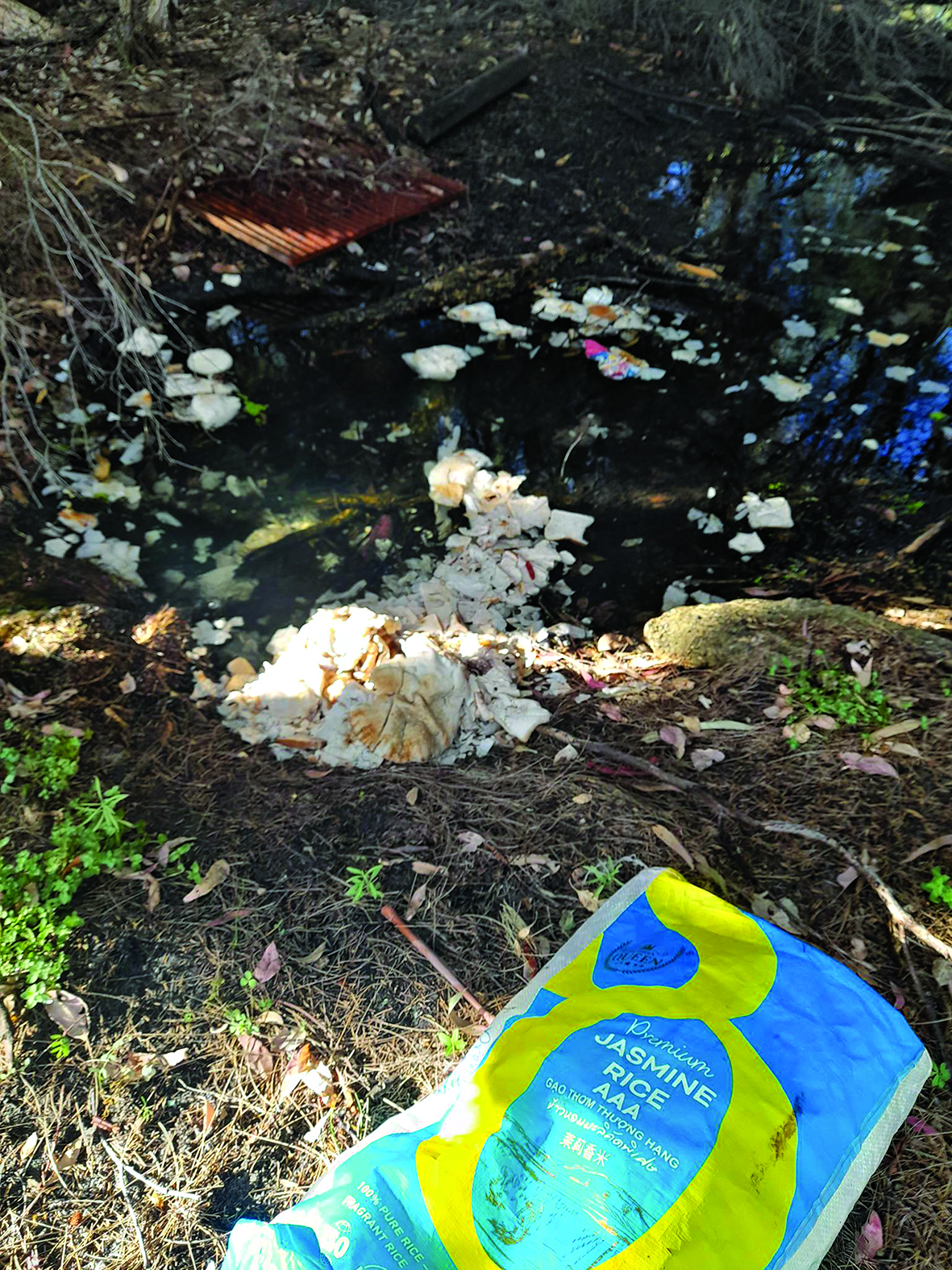
This message is being reinforced after bread was dumped into the creek at Mary Mackillop Park, prompting a response from the City of Canning and renewed calls for responsible behaviours in local parks.
The city confirmed it was aware of the incident and said action was promptly taken after it was reported.
While some residents may believe feeding birds is harmless or even kind, Mayor Patrick Hall warned that dumping food into creeks can do real damage to both wildlife and water quality.
“Dumping food into our waterways can negatively affect water quality as it breaks down, increasing nutrients and reducing oxygen levels in the water,” Mayor Hall said.
“It can also disrupt natural wildlife behaviour, attract pests, and lead to poor health outcomes for birds and other animals, particularly if the behaviour occurs repeatedly.”
As bread and other food break down in waterways, nutrient levels increase and oxygen levels drop, which can negatively affect aquatic life.
Mayor Hall added that the city discourages feeding birds and wildlife in parks and natural areas because it interferes with natural ecosystems.
“Feeding wildlife can interfere with natural diets, create dependence on human food, and increase the risk of disease and population imbalance,” he said.
“Wildlife are healthiest when they can forage naturally.”
Several residents said the incident had caused frustration, with some claiming they has seen similar behaviour at the park in recent weeks.
Others raised concerns about ongoing dumping and pollution around the creek, saying they had previously reported rubbish and food waste to the city and worried about the impact on water quality and wildlife.
Additionally, a number of residents suggested security cameras be considered as a deterrent if the behaviour continues.
Concerns about feeding wildlife extend beyond local parks. In a 2023 statement, the Department of Biodiversity, Conservation and Attractions urged the public not to feed native animals, warning that well-intentioned behaviour can do more harm than good.

Parks and Wildlife Service senior ranger Christie Bentink of the Department of Biodiversity, Conservation and Attractions’ (DBCA) Parks and Wildlife Service, said feeding wildlife can cause animals to develop bad habits, reduce their ability to forage for themselves and, in some cases, lead to aggressive behaviour.
“People love seeing native wildlife, but it’s important that we keep these animals safe and independent,” she said at the time.
Research has also shown that bread provides little nutritional value for birds and can contribute to malnutrition, increased disease transmission and water pollution. Excess food left in public spaces can attract pests such as rats and further impact local ecosystems.
Mary Mackillop Park is managed in line with the city’s broader environmental and park management practices, which focus on protecting waterways and surrounding natural assets through routine maintenance and environmental oversight.
Mayor Hall said the city encourages responsible behaviours in parks through signage, community information and ongoing messaging that discourages dumping.
He also highlighted the importance of protecting wildlife and waterways.
Residents who witness dumping, pollution or other concerning behaviours in parks or waterways are encouraged to report it directly to the city.
“Reporting these incidents allows the city to assess the situation and respond appropriately,” Mayor Hall said.