
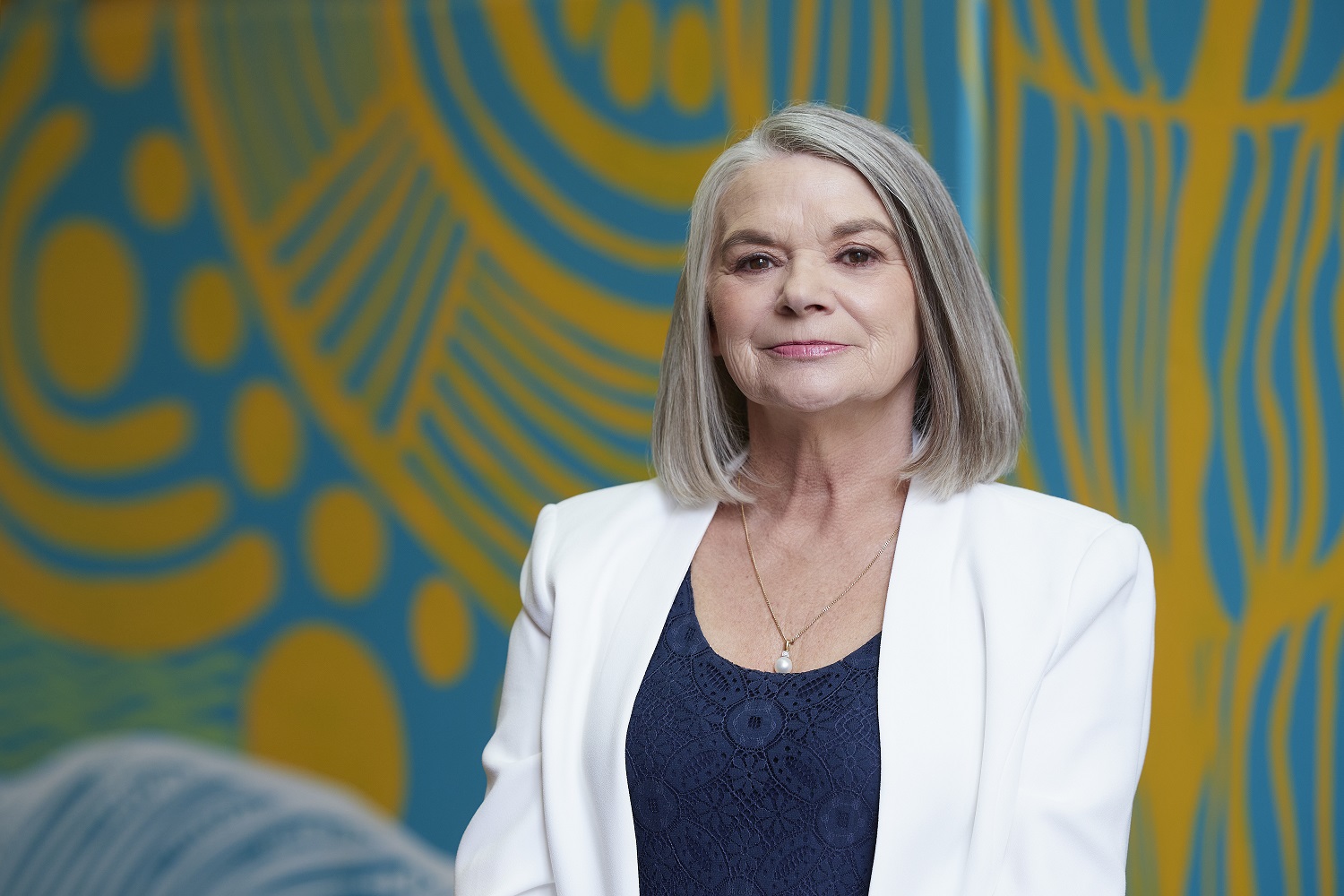
WA Commissioner for Children and Young People, Dr Jacqueline McGowan-Jones, has recently released the findings of an online consultation with 120 WA youth, regarding the recent under-16 social media ban.
It’s been three months today since the ban started, and young people have provided complex and sometimes conflicting views on the issue.
The study, titled ‘What Young People Said: Youth consultation on the social media ban’ featured consultation with minors between the age of 9 and 17. The survey was open from October 2025 to January 2026.
Responses were mixed, though key findings included a widespread concern about losing connection with friends and family, feedback that the age threshold of 16 is too high, significant concerns from regional and remote young people about increased isolation and fears about privacy and data security linked to age-verification processes.
From her findings, Doctor McGowan-Jones concluded: “Young people understand both the risks and the benefits of social media. They want to be safe online but they also want to stay connected, supported and heard.
“Many young people told us they felt decisions were made about them, without them. This report makes clear they are capable of thoughtful, balanced and practical contributions to policy discussions.
“If we are serious about protecting children and young people, we must involve them in designing the solutions to these issues.”
One such comment from a 15-year-old surveyed was: “I recently moved to a different state and the only way I am in contact with my friends is on these apps. Now how am I going to talk to them?”

The theme of rural isolation was raised by another youth, aged 14 and living in country WA. He said: “As someone living in regional WA, I am deeply concerned. For those of us in areas where it is over 40 degrees for much of the year and opportunities to connect in person are limited, social media is not a danger, it is a lifeline.”
The feedback of these young people has been acknowledged, and recommendations from the commissioner’s office have been made based on it.
On the other hand, support for the ban is based on certain research. According to the Australian Institute of Health and Welfare: “Reports indicate that the prevalence of depression or anxiety amongst 15–34-year-olds has surged from around 9% in 2009 to 22% in 2022, and there is a growing amount of evidence correlating increased mental illness with social media use by adolescents.
“Adolescence is a critical period for brain development, which makes young people particularly susceptible to the negative effects of online environments. Social stress, especially in forms such as cyberbullying, has a disproportionate impact on mental health during this vulnerable stage.”
Furthermore, the 2021 eSafety Commissioner’s report notes that 44% of Australian young people have faced negative online experiences, with 15% enduring threats or abuse.
The same report, however, has noted that: “The proposed ban will not fully shield kids from social media dangers, with messaging apps, online gaming services and ‘services with the primary purpose of supporting the health and education of end-users’ exempt from the age restrictions.”