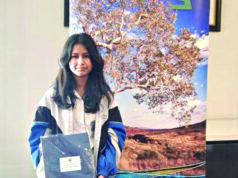

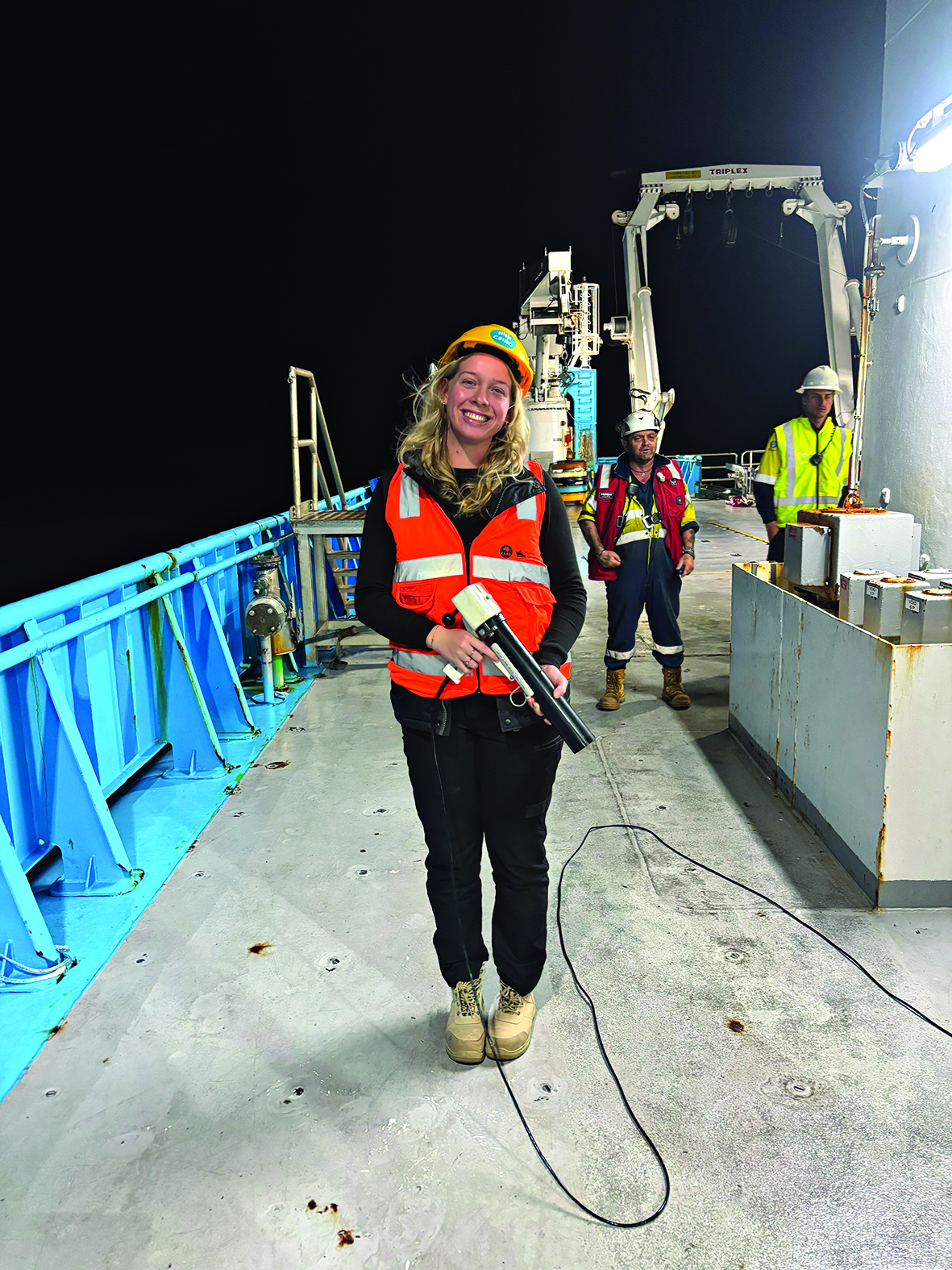
Curtin University student Te Huika Mason has returned from a 13-day research voyage aboard CSIRO’s research vessel Investigator, saying the experience confirmed the career path she wants to pursue.
The 20-year-old Bachelor of Science student was one of 20 university students from across Australia selected for CAPSTAN, a national sea-training program run by CSIRO, the University of Tasmania’s Institute for Marine and Antarctic Studies, and the Australian and New Zealand International Scientific Drilling Consortium.
The program gives students practical experience across ocean science fields while working alongside researchers on board a scientific vessel.
During the voyage from Perth to Hobart, students took part in research activities including sampling at Bremer Canyon, investigating harmful algal blooms and contributing to underwater cultural heritage surveys.
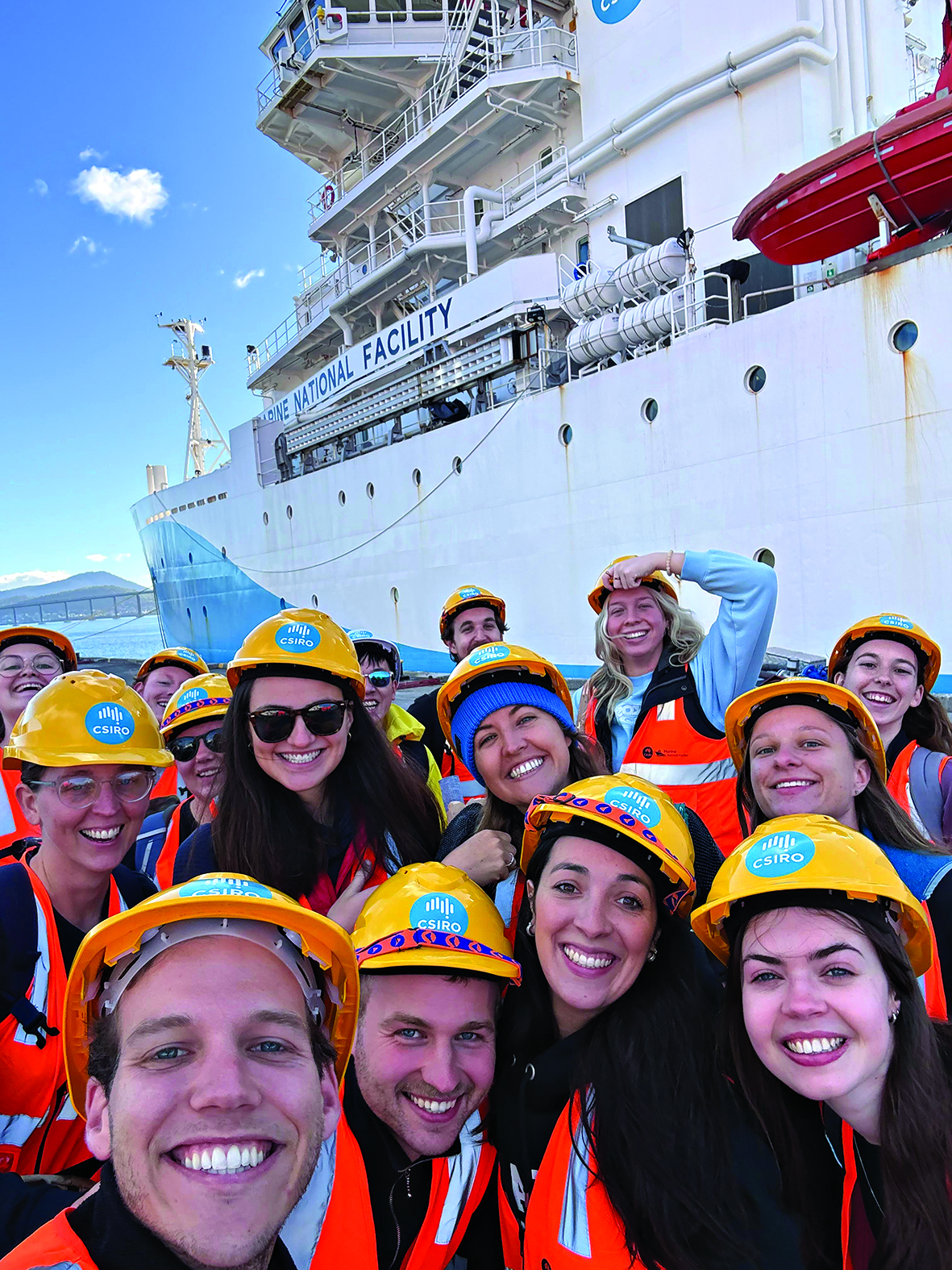
Ms Mason, who is studying Coastal and Marine Science and Environmental Science at Curtin University, said the opportunity allowed her to contribute to research rather than simply watch it.
“One of the most rewarding parts was working alongside scientists and contributing to real research rather than simply observing it,” she said.
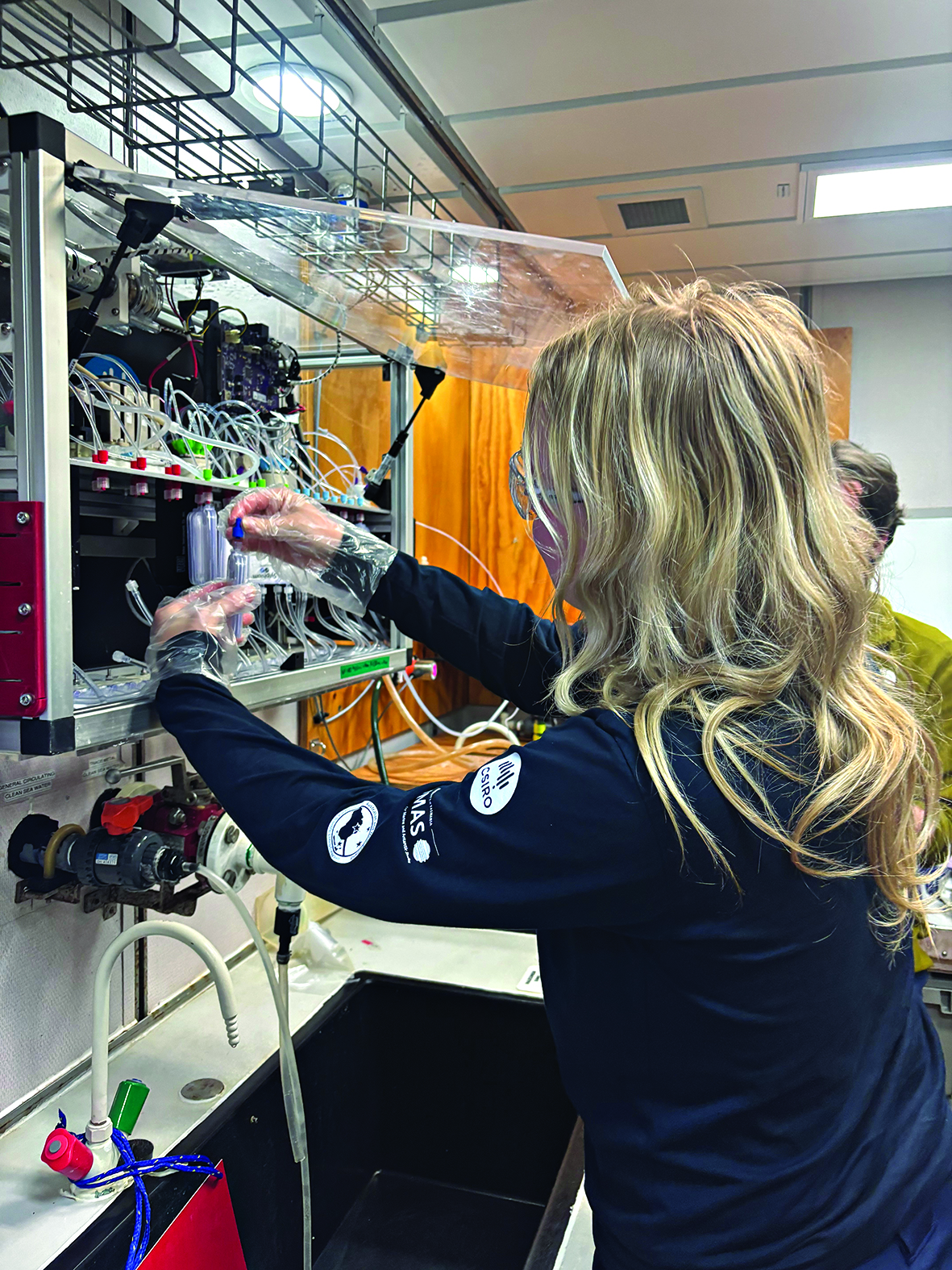
“I was involved in deploying oceanographic equipment, collecting seawater samples, filtering chlorophyll samples, collecting environmental DNA and processing samples in the ship’s laboratories.”
She said spending time aboard the vessel and working with researchers strengthened her interest in marine science.
“Being surrounded by passionate scientists, contributing to real research, and seeing the impact that marine science has on understanding and protecting our oceans made me realise this is exactly the type of environment I want to work in throughout my career,” she said.
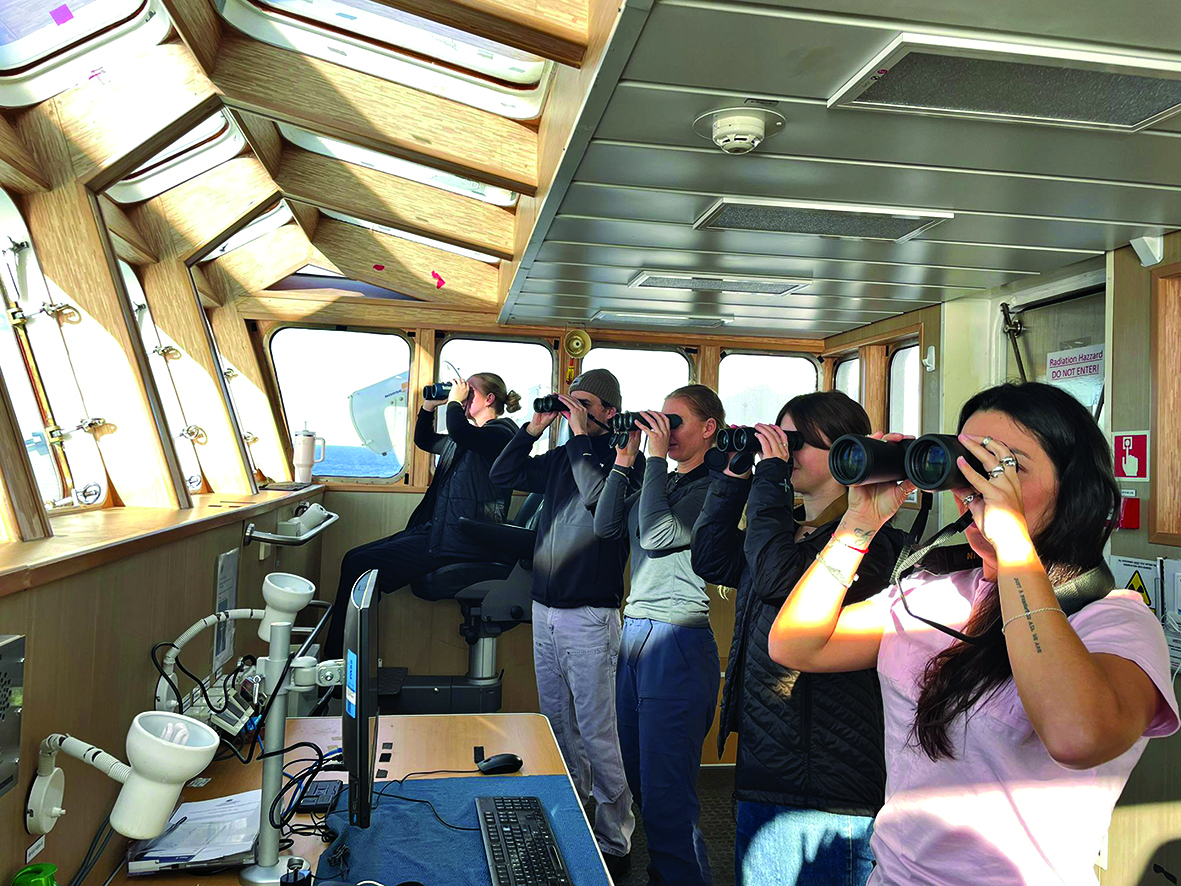

Ms Mason said the voyage gave her practical experience in scientific sampling, laboratory procedures and working as part of a multidisciplinary research team.
“It also strengthened my communication, teamwork and problem-solving skills while working in a real-world research environment,” she said.
Looking back on the experience, she encouraged other university students to take up similar opportunities.
“I’d encourage students to put themselves forward for opportunities, even if they don’t think they’re experienced enough,” she said.
“Be curious, ask questions, get involved wherever you can, and don’t be afraid to step outside your comfort zone. You never know where it might lead.”
CAPSTAN aims to prepare the next generation of marine scientists by giving university students firsthand experience aboard Australia’s national research vessel.