
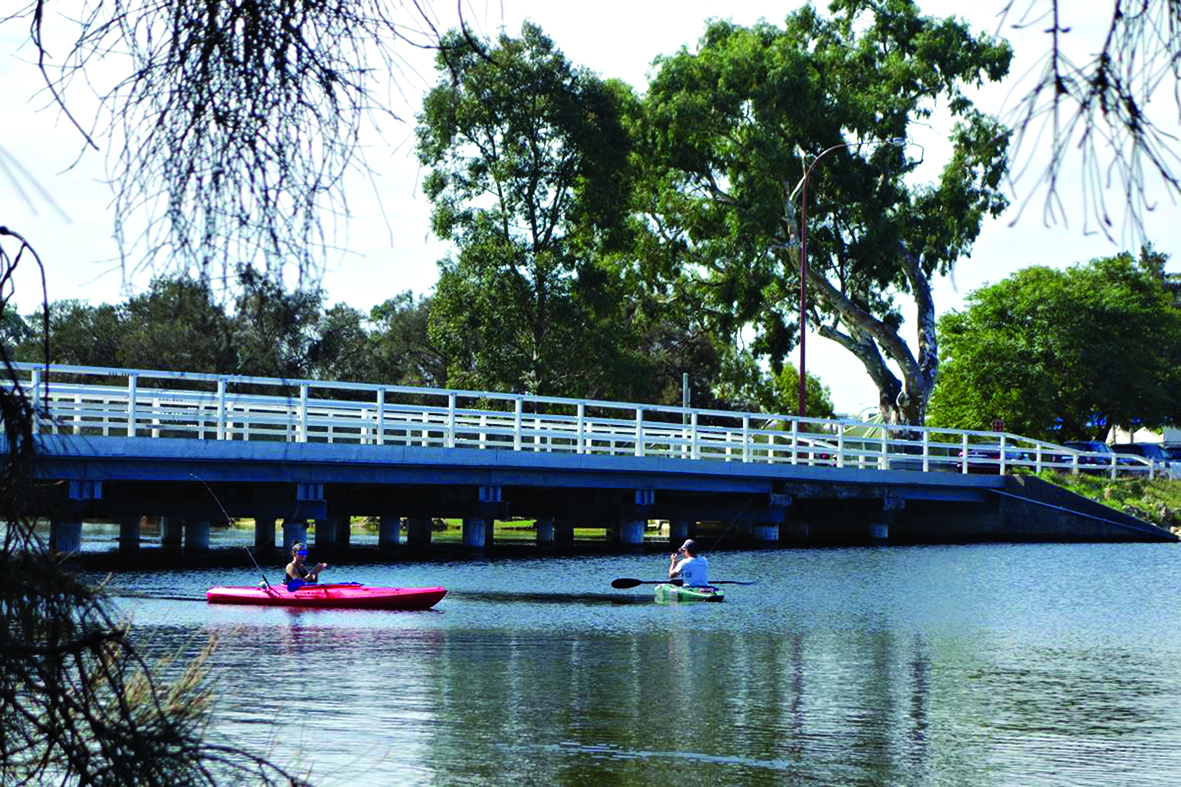
A project to restore part of the Canning River near Ferres Drive in Gosnells is moving into the design stage, with on-ground works expected to begin in 2027, subject to approvals.
Known as the Canning Pools Habitat Restoration Project, the initiative is part of the Australian Government-funded ‘Cleaning up the Canning’ program and is being led by the Department of Biodiversity, Conservation and Attractions (DBCA).
The project aims to improve the condition of freshwater pools in the Canning River by restoring habitat for native wildlife.
A DBCA spokesperson said the proposed works could include installing large logs in the river, removing weeds, planting native vegetation, improving riverbanks and carrying out limited sediment removal where it would benefit the environment.
“The project is addressing the degraded condition of freshwater pools in the Canning River system to enhance ecological values rather than create new habitat from scratch,” the spokesperson said.
“Altered river flows, sediment accumulation and the loss of complex in-stream habitat have reduced pool depth, connectivity and the availability of refuge habitat for native aquatic fauna, particularly during low-flow periods.”
The spokesperson said the site near Ferres Drive was selected after ecological surveys and site investigations assessed several river pools.
The area supports native species including Carter’s freshwater mussel, cobbler, freshwater crayfish and oblong turtles. It also contains a shallow section affected by sediment where habitat could be improved.
An estimated $1 million has been allocated for the project’s planning, design, approvals and delivery. The final construction cost will be confirmed after the detailed design and procurement process.
DBCA said the concept design was being finalised before the project moved into the detailed design phase.
The project will still require land access agreements and environmental, river management and cultural heritage approvals before construction can begin.
Temporary impacts during construction are expected to include noise, machinery movements and restricted access around the work area. Nearby residents and park users will be notified before works start.
A formal public consultation is not planned because of the localised nature of the works.
Instead, DBCA said it would engage directly with nearby residents, landowners and other stakeholders as planning progressed.
The City of Gosnells said it does not have a formal role in the project, which is being managed by DBCA.
City of Gosnells Chief Executive Officer Ian Cowie said the City had not formally endorsed the preferred location because the river area is managed by DBCA.
He said the City would continue working with the department as planning progressed.

“Any impacts are not yet known. The City will continue to liaise with DBCA as planning for the project progresses and will work collaboratively to minimise impact on the community where possible,” Mr Cowie said.
Mr Cowie said the project was consistent with the City’s ‘Enhancing the Canning and Southern Rivers Policy’, which supports initiatives to improve the health and long-term sustainability of the river system.
He said the project was informed by years of scientific research into the effects of sediment on the Canning River and was expected to improve the river’s long-term health.
City of Canning Mayor Patrick Hall said the City also supported the project and hoped it would bring benefits beyond the work site.
“Potential project benefits from the works on the Canning River could see improvements to aquatic habitat for native fish and other aquatic fauna along the river as well as improve riverbank conditions and riparian vegetation,” Mayor Hall said.
“The City hopes to see downstream impacts from the project as well through increases in native fish populations.”
Mayor Hall said the City was a partner in the broader ‘Cleaning up the Canning’ initiative but was not directly involved in delivering the Ferres Drive project.
He said the City had been kept informed through the South East Corridor Council Alliance and DBCA.
He said the City was also delivering three projects under the ‘Cleaning up the Canning’ program. They include weed control, revegetation and bank stabilisation at Yagan Wetland, drainage basin improvements at Queens Park to improve water quality and biodiversity, and weed control, erosion management and revegetation along the Shelley Rossmoyne Foreshore.
Mayor Hall encouraged residents to help protect the river by reducing fertiliser use, disposing of garden waste correctly, preventing soil and sediment from entering stormwater drains, staying on marked paths and taking part in local environmental volunteer activities.
DBCA said ecological surveys across 10 river pools recorded about 13,400 native fish from nine species, 182 oblong turtles and a range of invertebrates, including the threatened Carter’s freshwater mussel.
The department also reminded people not to release aquarium fish or plants into waterways, saying introduced species can compete with native wildlife for food and habitat.