
Peel Harvey Biosecurity Group (PHBG) has drawn attention to a common weed that has thus far been largely overlooked by landholders.
Blue lupin, also known as sandplane lupin, (Lupinus cosentinii) is a serious environmental pest weed in WA, due to its propensity to fix nitrogen.
This means it changes soil conditions to something native plants don’t grow in, making it a threat to native ecosystems like the increasingly rare banksia woodlands, an essential food source for the beloved, though threatened, black cockatoos.
The plant is a legume that is native to the Mediterranean, including Algeria, Libya, Morocco, Italy and Spain.
As its name suggests, its preference is for sandy soils, particularly infertile, acidic, deep sandplain soils from the Geraldton area to south of Busselton. Its deep roots make it well-adapted to this area.
Introduced in the late 19th to early 20th century, it was historically planted as a self-regenerating summer forage crop for sheep and cattle, fixing soil nitrogen and helping build fertility for subsequent wheat crops.
Because its seeds shatter easily at maturity and contain high bitter alkaloids, causing risks like lupinosis in livestock if mismanaged, it was largely replaced after the 1960s by the sweet, narrow-leafed lupin (Lupinus angustifolius), an invention of the University of Western Australia and now a major WA crop.

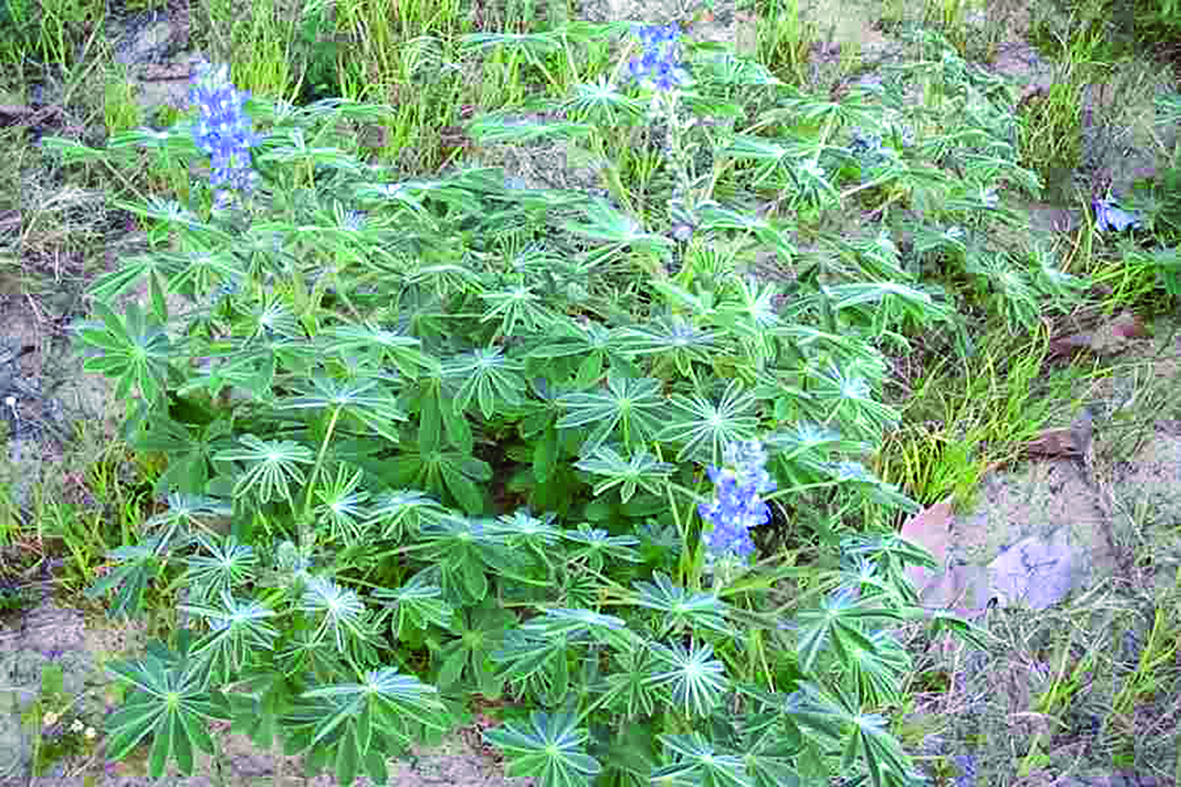
Blue Lupins can grow from 0.2 to 1.4 meters tall with whitish-hairy stems, with a total of 7 to 13 leaflets.
The plant’s bright blue or sky-blue pea-shaped flowers bloom from August to November.
Lupins are easily pulled up by hand, and it’s best to get to them before they flower.
If plants are flowering or have already developed seed pods, it is unadvisable to shake or disturb them and spread the seed. Larger infestations may be better treated with an appropriate herbicide.