
Concerns have recently been raised that awareness in Australia regarding risk of stroke among women is insufficient.
According to the Australian Bureau of Statistics, and the Stroke Foundation of Australia, stroke is responsible for more than twice the number of deaths among Australian women as breast cancer.
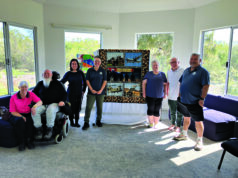
The experience of one particular Perth grandmother has recently gained attention.
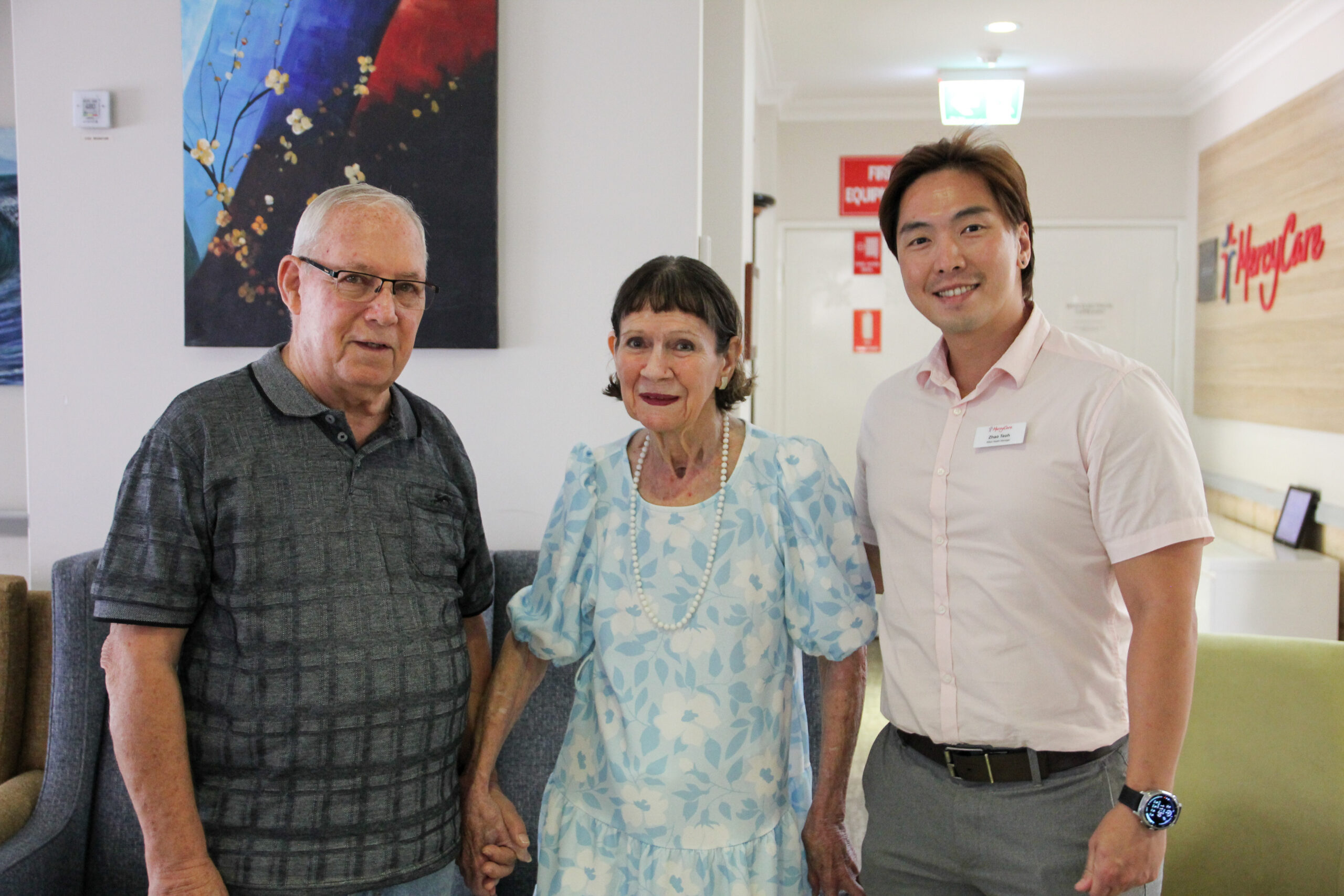
Suzanne Holloway, a 74-year-old Kelmscott local, is described as having lived a healthy and active lifestyle, with great overall fitness, when suddenly she was afflicted in July 2025 with a severe haemorrhagic stroke.
Before this ordeal, Mrs Holloway had been travelling the United States by motorhome with her husband, Allen Holloway, and was attending exercise classes daily. She is now grandmother to seven grandchildren and is working toward returning to the life she had.
Her condition, a bleeding inside the brain, carries a mortality rate of up to 50 percent within the first month.
Mrs Holloway, though surviving the event, was told to prepare for the worst, in that she would never again be able to walk.
She has since defied the odds and is now capable of walking 50 metres with minimal assistance.
She has also regained the use of her right hand, which had temporarily been lost, and can dress, eat and move independently. Her care team describes these outcomes as far exceeding early expectations.
Zhao Lin Theo, Allied Health Manager at MercyCare, where Ms Holloway has been receiving residential care and rehabilitation in Kelmscott, said the effects of a stroke cannot be underestimated.
“Haemorrhagic stroke is devastating, and many people don’t realise how serious it can be.”
“Before her stroke, Suzanne exercised for around two hours a day,” she said.
“I truly believe this gave her a strong physical reserve for recovery. Combined with intensive therapy input and a supportive environment, this has helped her regain mobility and independence far beyond what we initially expected.”

Mrs Holloway’s path to recovery began with 22 days spent in acute hospital care.
This was followed by nearly three months of intensive inpatient rehabilitation.
She arrived at MercyCare’s Kelmscott facility unable to walk and required two staff for all transfers and personal care.
However, through targeted physiotherapy, and what Mr Teoh describes as “person-centred care,” her trajectory changed, significantly for the better.
Mrs Holloway has emphasised a determined outlook as key to her remarkable success.
“My recovery has been simply driven by the focused desire to walk again, and ultimately to enjoy life and participate in it with my loved ones, especially my husband,” she said.
According to MercyCare, a key factor facing women, in regards to stroke, is misdiagnosis. They are 25 per cent more likely than men to have stroke symptoms misdiagnosed in emergency departments, as they are often dismissed as stress or migraines.
Haemorrhagic stroke, which affected Ms Holloway, accounts for only 13 to 15 per cent of total cases of stroke. However, it is disproportionately responsible for stroke-related deaths.
Experts warn that stroke can affect women at any age, and warning signs may not always be visible.
The gap between public awareness of breast cancer and stroke risk in women represents a genuine public health problem, and greater public awareness is essential.