
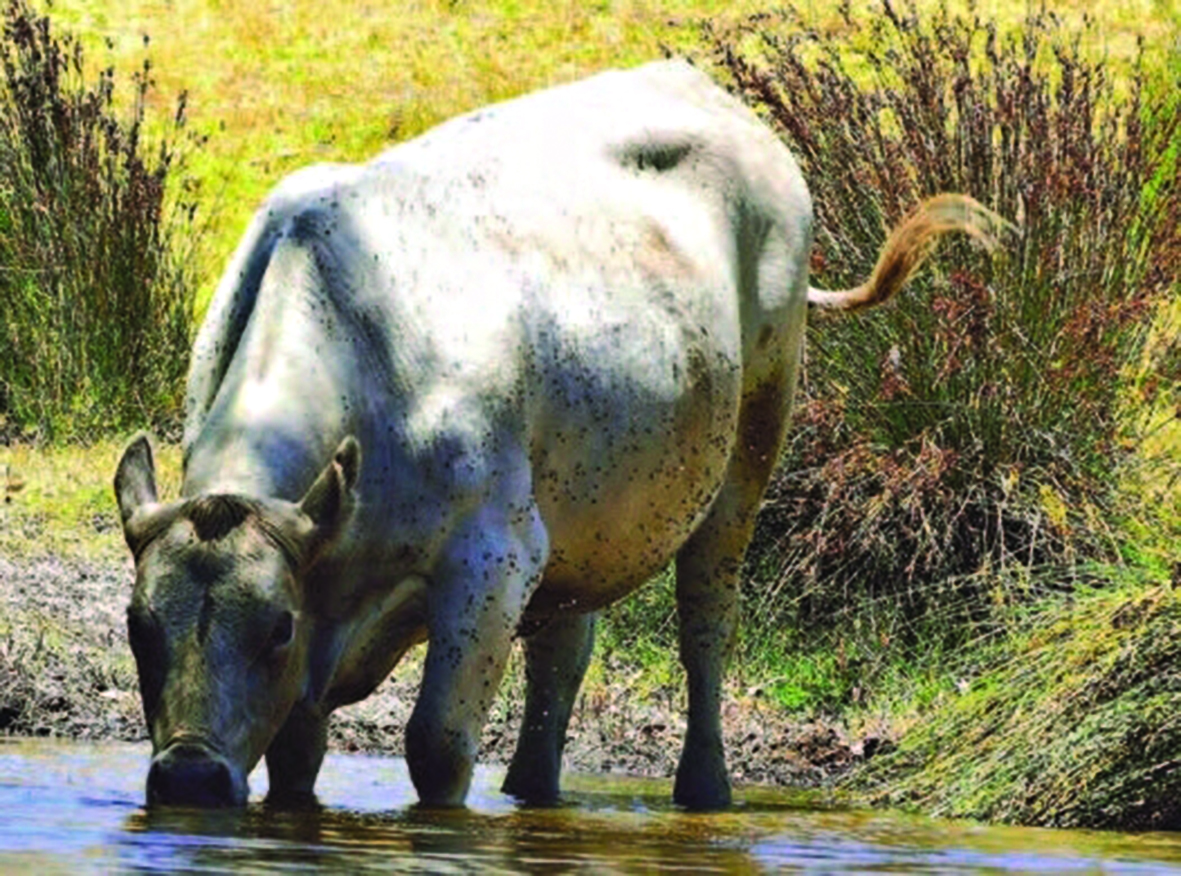
The state government’s stable fly management plan is well overdue for an overhaul, says Stable Fly Action Group (SFAG) president Bob Wilson.
“We believe the current situation has been an abject failure for over 20 years,” Mr Wilson said.
“Whereby livestock owners who have the misfortune of living near a large horticultural property, which doesn’t employ good management practices, have been badly let down.”
Mr Wilson said SFAG’s renewed call for action comes after a June meeting with the Agriculture Minister Jackie Jarvis, where the group warned of biosecurity risks from bovine leucosis and lumpy skin disease (LSD).
“Both of which are documented to be close to our northern borders, and both of which have stable fly as a major vector for spreading the disease,” he said.
Bovine leucosis is an infection mainly affecting cattle while LSD affects both cattle and buffalo, according to the Department of Agriculture, Fisheries and Forestry (DAFF).
DAFF said Australia was free from LSD and has never had an incursion of the disease.
The state government reminded landholders along the Swan Coastal Plain to take action to reduce stably fly numbers this summer.
The Department of Primary Industries and Regional Development (DPIRD) director Ron Shepherd said there were various steps to reduce stable fly breeding.
“Controlling organic waste… good hygiene and regular clean-ups make a big difference,” he said.
“Stable flies breed in the rotting organic material. By reducing decaying organic matter in and on the soil, you are reducing the number of breeding sites available to stable flies.”
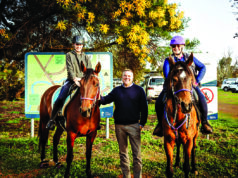
Darling Downs resident and SJ Equine Advisory Group member Denelle Kennedy has kept horses on her property for more than 15 years.
“(Stable flies) have always been there,” she said.
“They can be really savage. They’ll bite until the horses bleed. I’ve known horses that have had severe reactions.”
Ms Kennedy said she’s noticed a steady increase of stable fly numbers throughout the years.

“I would say it’s quite systemic – something across all horse properties in the shire,” she said.
She said landholders in the shire were vigilant with manure collection, avoided leaving hay on the ground and used fly sheets, veils and horse protective leg boots.
Under the current plan, the pest was declared in 14 local government areas, including the Shire of Serpentine Jarrahdale and City of Armadale.
DPIRD said local governments had the authority to inspect properties, provide advice to landholders and follow up on compliance with the Biosecurity and Agriculture Management Act 2007.
Ms Kennedy said she was unaware of the plan and had never lodged a report with the shire.
“I just didn’t know I had to. Most people just deal with it on their own,” she said.
Serpentine Jarrahdale President Rob Coales said the shire received low levels of stable fly concerns.
“The shire has received a total of six known and recorded stable fly reports since 2020,” he said.
Mr Coales said local governments alone shouldn’t be responsible for the management of the pest.
“There is a shared responsibility across both state and local government and the community,” he said.
“(This) provides the most effective opportunity to address the risk of stably fly.”
Mr Wilson said the Biosecurity Council was due to submit a draft of a new management plan to the Agriculture Minister this month, with the final report expected in February 2026.
Meanwhile, SFAG’s priorities include preparing a response to the draft plan, supporting the Shire of Gingin in tackling breeding and finalising its book The SFAG Chronicle 1992–2022.